Introduction
This article explains what NLP therapy is, how it works, and how it can help people overcome animal phobias. We will explore the principles behind NLP, how it is used in therapy, what the science says, and how it fits into a broader approach to fear treatment.
If you have ever felt like your fear is automatic, irrational, and difficult to control, NLP offers tools that work directly with how your brain processes experiences.
What Is NLP Therapy?
Neuro-Linguistic Programming (NLP) is a psychological approach that focuses on how thoughts, language, and internal representations influence behaviour.
In simple terms, NLP explores:
How you mentally “code” experiences
How language shapes emotional responses
How patterns of thought create automatic reactions
Rather than analysing fear in depth, NLP focuses on changing how the experience is structured in the mind.
For example, someone with a spider phobia may:
- Picture spiders as large, fast, and unpredictable
- Hear internal thoughts like “it’s going to jump on me.”
- Feel a surge of panic instantly
NLP works by adjusting these internal patterns so the fear response becomes less intense or disappears entirely.
How It Works in Therapy
NLP techniques are designed to interrupt and reshape the brain’s automatic emotional responses.
Rather than focusing only on what you think, NLP works with how your experiences are structured in the mind.
This often involves:
Changing Mental Imagery
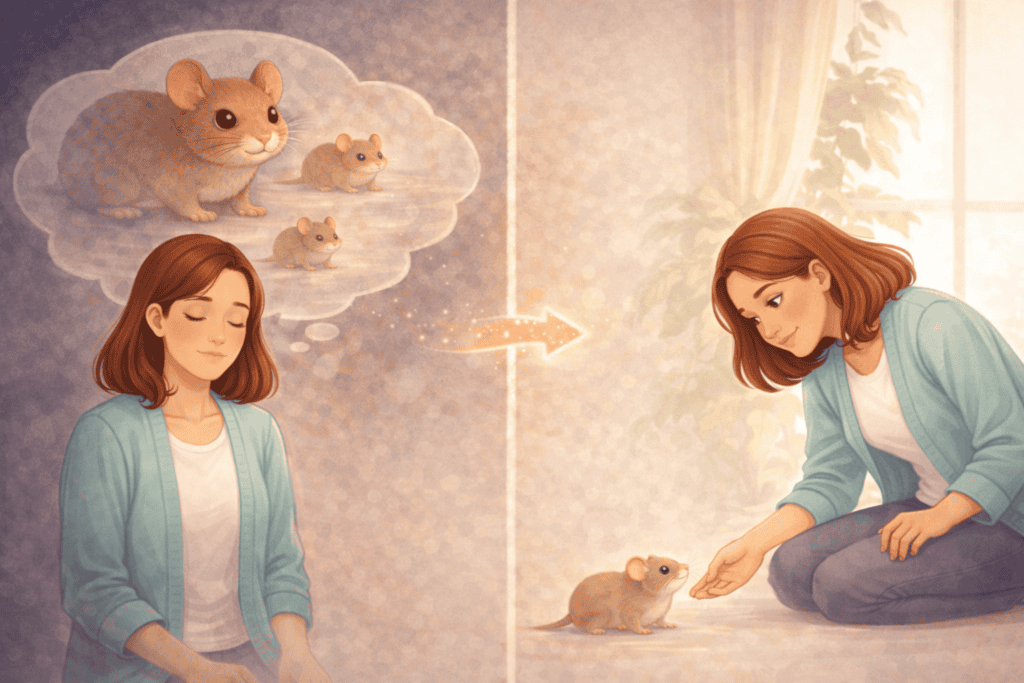
Clients are guided to alter how they internally visualise a situation, memory, or a fear trigger.
This might include:
Visualising the trigger and then making it smaller
Moving it further away
Changing its colour, brightness, or clarity
These changes may seem simple, but they can significantly reduce emotional intensity.

This is because the brain responds strongly to how an experience is represented internally, not just the event itself. Larger, closer, more vivid images tend to feel more immediate and threatening, while smaller, more distant, or less detailed images often feel less intense.
In many cases, the brain does not clearly distinguish between a vividly imagined experience and a real one. Because of this, changing the “structure” of the image can change how the body reacts to it.
For example, someone with an animal phobia may picture the animal as large, close, and overwhelming, almost as if it is about to move toward them. This creates a strong automatic fear response.
By gradually adjusting that image — making it smaller, further away, or less vivid — the brain begins to interpret the situation as less urgent and less threatening.
Over time, this helps reduce the intensity of the emotional response and creates space for a calmer, more controlled reaction.
Reframing Meaning
NLP helps shift the meaning attached to a situation or experience.
Instead of an automatic interpretation, such as:
“This is dangerous.”
The brain can begin to learn a more balanced response, such as:
“This is unfamiliar, but not harmful.”
This works because emotional reactions are not only driven by what we see, but by the meaning the brain assigns to it. If something is interpreted as a threat, the body prepares for danger. If it is interpreted as safe or manageable, the response changes.
NLP techniques help interrupt this automatic interpretation and introduce a different perspective.
This does not mean pretending something is positive when it is not. Instead, it involves updating the brain’s understanding so it is more accurate and less reactive.
In the context of animal phobias, the brain may have learned to associate the animal with danger, even when it is harmless. Reframing helps weaken that association and replace it with a more realistic interpretation.
Over time, this reduces the intensity of the fear response and allows the person to feel more in control.
Pattern Interruption
Emotional responses are often driven by repeated, automatic patterns.
These patterns can happen very quickly, often before a person has time to think. For example, seeing an insect might immediately trigger a sequence of reactions such as tension, jumping back, or a surge of panic.
NLP techniques are used to interrupt these habitual loops at the moment they begin.
This might involve:
- Shifting attention
- Changing posture or breathing
- Introducing a different mental or physical response
By breaking the usual sequence, the brain is prevented from completing the full fear response in the same way.
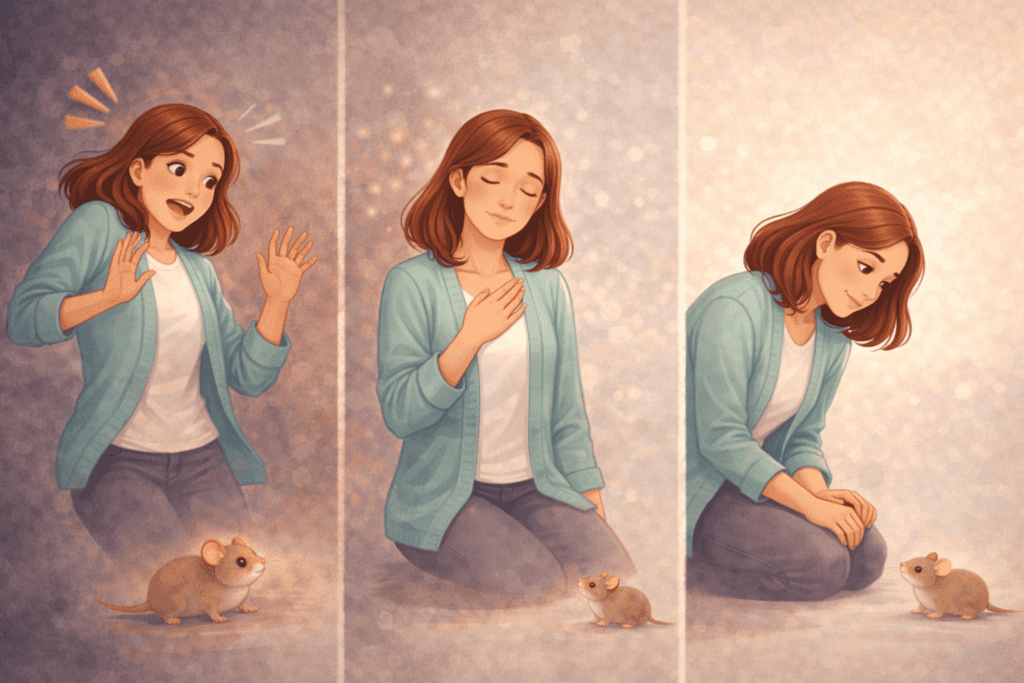
This creates an opportunity to replace the automatic reaction with something new.
For example, instead of immediately jumping or freezing, a person might learn to pause, stay present, and observe what is happening.
Over time, as this new response is repeated, the brain begins to form a different pattern. The old automatic reaction becomes weaker, and the new, calmer response becomes more natural.
Examples of NLP In Animal Phobia Therapy
Here are a few simplified examples of how NLP can help with animal phobias:
Example 1: Spider Phobia
A client imagines a spider as much larger and more threatening than it is in reality.
Using NLP, they are guided to:
- Shrink the image
- Move it further away
- Turn it into something less threatening
The emotional intensity then drops rapidly.
Example 2: Dog Phobia
A client associates dogs with unpredictability.
Through NLP reframing, they begin to:
Focus on calm, controlled interactions that then associate dogs with safety and structure.
This reduces the feeling of threat.
Example 3: Insect Phobia
A client has an automatic “jump” response whenever an unexpected insect appears.
Using pattern interruption techniques, the reaction is disrupted and replaced with:
- Mindfulness
- Curiosity
- Calm observation
Over time, the automatic response changes.
What Does the Science Say?
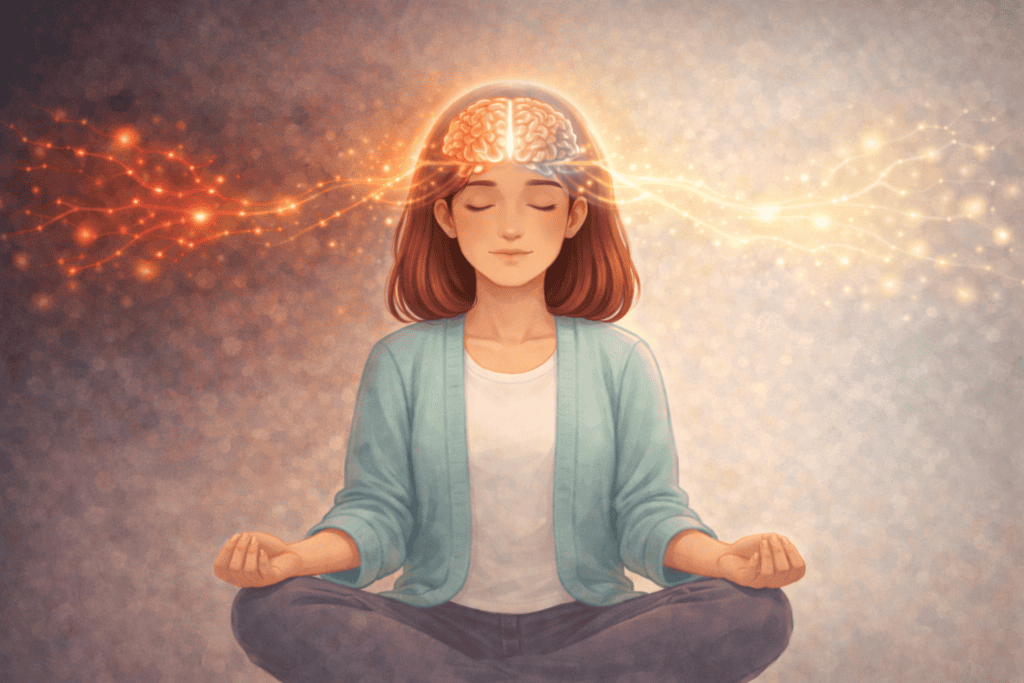
NLP has been widely used in coaching and therapy, and it is important to understand how it fits within the wider scientific landscape.
Some findings do strongly suggest that elements used within NLP — such as mental imagery and cognitive reframing — can influence emotional responses.
For example, research on mental imagery activating similar neural pathways to real experiences helps explain why changing internal representations can affect how we feel.
There has also been an investigation into NLP more directly. A review examining NLP outcomes in Counselling and Psychotherapy Research found varied results across studies. This suggests that while NLP includes techniques that can be effective, it is best understood as a collection of approaches rather than a single, fully standardised model.
Similarly, analysis and commentary from the British Psychological Society has highlighted the need for more consistent research into NLP as a complete system, while recognising that many of its individual components overlap with established psychological principles.
Because of this, NLP is often used as part of a broader therapeutic approach, where it can complement well-established, evidence-based methods such as Cognitive Behavioural Therapy (CBT) and exposure-based approaches.
In practice, this combined approach allows the strengths of NLP — particularly its ability to quickly shift perception and reduce emotional intensity — to be used alongside methods that reinforce lasting change through real-world experience.
Common Misconceptions
“NLP is just positive thinking.”
NLP is not about forcing yourself to think positively.
It works by changing how experiences are represented in the brain, which naturally changes emotional responses.
“It works instantly for everyone.”
While some people experience rapid shifts, others need repetition and integration.
Like all techniques, results vary between individuals.
“It replaces exposure therapy.”
NLP does not replace real-life experience.
It prepares the brain for it.
Without real-world interaction, deeper fear responses often remain unchanged.
Where It Fits in Treating Animal Phobias
NLP is most effective as a preparation and support tool.
It helps:
Reduce initial fear intensity
Build confidence before real exposure
Change internal expectations
However, animal phobias are strongly linked to the brain’s automatic survival system.
This means that real change often requires:
Physical experience
Gradual exposure
Direct interaction with the animal
NLP helps make this process easier, but it is not usually the final step on its own. This is why approaches like one-day intensive phobia therapy focus on combining mental preparation with real-world experience.
How We Use NLP at Creature Courage
At Creature Courage, NLP is used as part of a structured, holistic approach. We combine several different proven phobia-fighting techniques alongside NLP to create lasting results. These include:
- Animal Education: To build fascination and compassion, and to dispel myths
- Exposure Therapy: To allow the brain to update its fear response
- CBT: (Cognitive Behavioural Therapy): To give powerful thought awareness
- Guided Imagination Exercises: To transform how people see the animal
- General Anxiety Education: (Caveman Brain Awareness): To get the brain working for you instead of against you
- Hypnotherapy: To make changes in the deep subconscious and create relaxation
- Art Therapy: To help strengthen other techniques and make them memorable
Additionally, we use it to:
- Reduce fear before exposure begins
- Shift how clients perceive the animal
- Interrupt automatic panic responses
This allows clients to approach exposure in a calmer, more controlled state.
Importantly, everything is done at the client’s pace.
There is no pressure, but we are also honest:
Real breakthroughs usually happen when the brain experiences the feared situation directly.
NLP helps prepare the mind, but transformation happens through real-world learning.
How It Fits Into a Broader Approach
NLP works best when combined with other techniques.
Each method plays a different role.
Together, they create a powerful and effective process for overcoming fear.
Conclusion
NLP therapy offers valuable tools for changing how fear is experienced in the mind.
By adjusting mental imagery, reframing meaning, and interrupting automatic patterns, NLP can significantly reduce emotional intensity and help you feel more in control.
However, lasting change usually requires more than internal work alone.
Real transformation happens when the brain begins to experience the feared situation differently in real life.
This is where a structured, supportive approach makes all the difference.
At Creature Courage, NLP is combined with proven techniques and real-world exposure to help you move beyond fear in a way that feels safe, gradual, and achievable.
If you’re ready to take the next step and start overcoming your animal phobia, you can get in touch with us here:
Contact Creature Courage
You don’t have to stay stuck in fear. With the right guidance, change is possible.
FAQ About NLP In Therapy
What does NLP stand for in therapy?
NLP stands for Neuro-Linguistic Programming. It focuses on how thoughts, language, and mental imagery influence behaviour and emotions.
Can NLP cure animal phobias on its own?
It can reduce fear significantly, but lasting change usually requires real-life exposure and experience.
Is NLP therapy safe?
Yes. NLP techniques are non-invasive and focus on mental processes. They are generally considered safe when used appropriately.
How quickly does NLP work?
Some people notice immediate changes, while others require repeated practice. Results vary depending on the individual.
Do I have to face the animal during NLP therapy?
Not initially. NLP often prepares you mentally first. However, interacting with the animal is usually needed for a full breakthrough.