
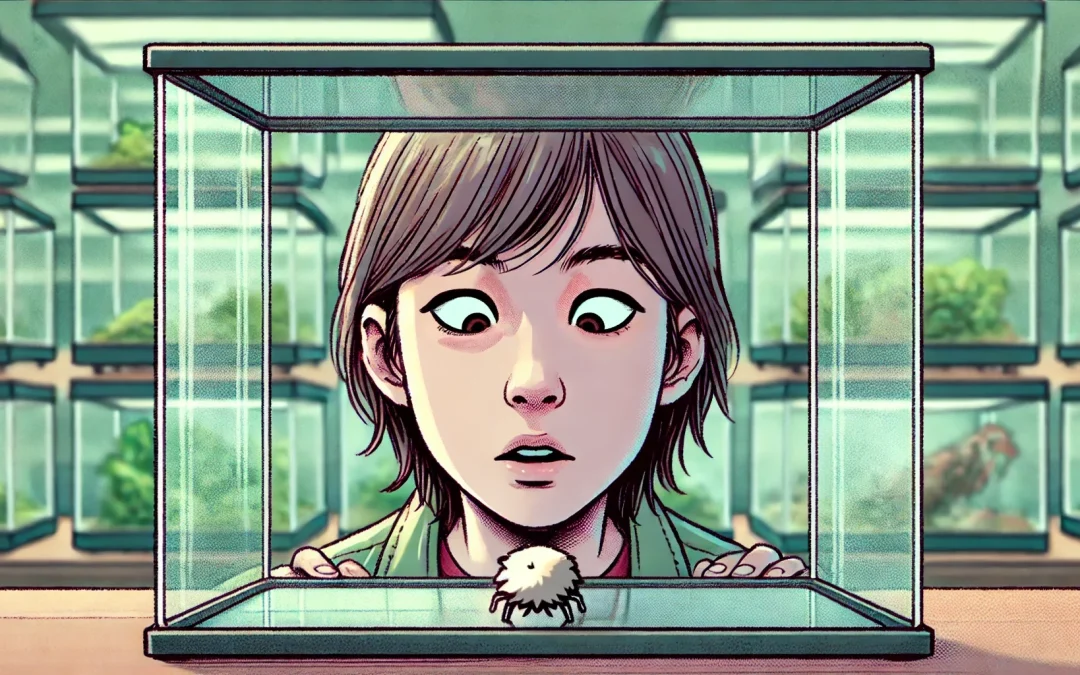
A Fascination & Passion for Spiders Can Change Fear
Why do I have 80 tarantulas, and why are my friends drawn to them? In this blog, I will share my experiences of how the power of fascination and positive exposure helps people overcome their fears.
I have discovered that building fascination for spiders, along with positive experiences, can significantly alter perceptions and reduce fear. It always fascinates me how my arachnophobic friends are inevitably drawn to my spiders, despite their fear. With over 80 tarantulas, plus many other species of spiders, my friends are well aware of their presence. I keep them in a separate room, so my friends don't have to see them if they don't want to. However, surprisingly, they usually always do, and I never have to pressure them.
I Became an Animal Phobia Therapist to Spread the Spider Love
Arachnophobia, the fear of spiders, is one of the most common phobias in the world. Despite their small size, spiders can evoke intense fear and anxiety in many. My passion for spiders is what inspired me to become a therapist to help people get over this fear. I have helped thousands of people go from hating spiders to actually liking them.
Additionally, in my personal life, I have found that even my arachnophobic friends have started to change positively by just being around my spiders. My deep love and affection for my spider babies helped them to see them differently. One thing I have noticed, though, is that even if they are afraid, they are still fascinated.
How Fear and Fascination Connect in the Brain
Fear and fascination share overlapping neural circuits in the brain, particularly within the amygdala — a small, almond-shaped structure deep in the limbic system. While the amygdala is often described as the brain’s fear centre, it also responds to intense emotional experiences of all kinds, including curiosity and excitement. This dual role shows that the same emotional processing system can trigger both fear and reward-related neural signals, especially when the outcome feels personally significant.
In practical terms, this connection matters when facing a fear such as a spider phobia. Encouraging fascination — like learning about spider behaviour or noticing intricate web patterns — can engage the brain’s reward pathways at the same time as, or instead of, pure threat detection. As people learn and explore, dopamine pathways involved in curiosity and learning reinforce positive emotional responses. This process helps reframe spiders from objects of threat into opportunities for wonder, reducing avoidance and strengthening resilience. Consequently, fostering fascination alongside controlled exposure may accelerate overcoming fear and support lasting emotional change.
The Transformative Power of Fascination
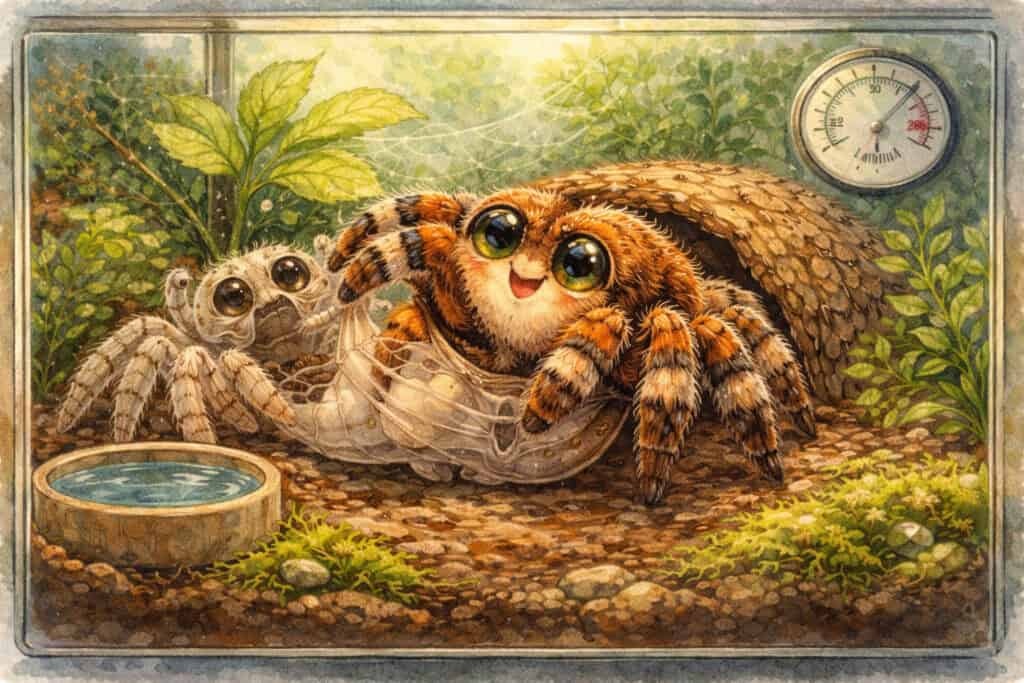
'Oh, cool, my tarantula is in the middle of a molt!' I say casually as I nip into my animal room for a moment. Suddenly, my once severely arachnophobic friend comes rushing in. 'I want to see!' And though still a bit horrified, the curiosity is all-consuming and cannot be disobeyed. How many times do you get the opportunity to watch a living creature crawl out of its own skin??? They press their faces up against the glass and watch in awe as the almost alien-like spectacle unfolds. A power stronger than even fear has taken over: Fascination!
In time, each one of my friends has voluntarily asked to visit my spider collection. This curiosity often leads to unexpected bravery, with many even asking to hold a spider. I never suggest this, yet their curiosity propels them to confront their fears.
The Appeal of Pink Fluffy Tarantulas
One of the tarantulas that garners the most attention is my pink fluffy tarantula named Peaches. She is my star when it comes to helping people overcome their fears. Her unique appearance of being pink and fluffy makes her less intimidating and even cute. When my friends express interest, I carefully introduce them to this tarantula first. She barely moves as she transfers from my hand to theirs, and then sits like the precious nugget she is.
Their initial nervousness quickly transforms into pride as they face their fears and hold Peaches. Their muscles relax, they begin to smile, and soon start making noises like 'awwwwww.' This transformation is incredible to witness and shows the power of positive experiences. The big, scary monster has transformed into a little, adorable fluff ball.

The Charm of Cute Jumping Spiders
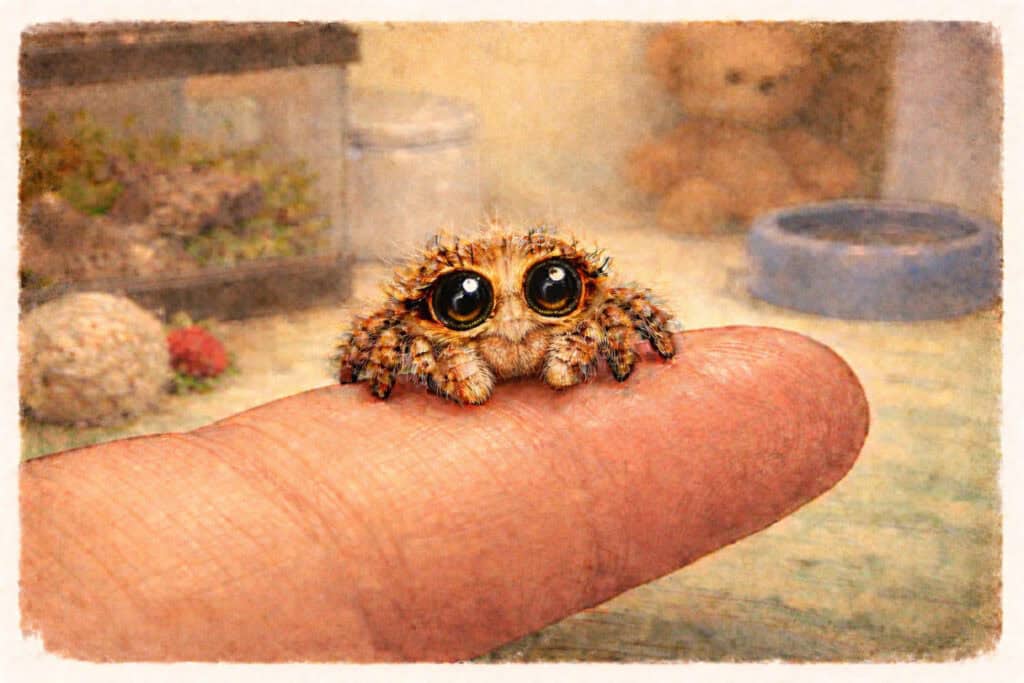
In addition to my fluffy pink tarantulas, my collection of cute jumping spiders has also played a crucial role. Jumping spiders are great at helping my friends overcome their fears. They, too, are fluffy and adorable, but much smaller than a tarantula. Most will fit on a fingertip! These tiny, colourful spiders with their large, expressive eyes and unique, playful behaviour are incredibly endearing. When my friends see these jumping spiders, their initial fear gives way to fascination and awe. The spiders' approachable and almost whimsical nature makes them less intimidating.
Jumping spiders are incredibly unique and have actual intelligence. This gives them the capacity to learn to recognise and trust their owners. There are so many great YouTube videos that highlight these amazing abilities. I often show them to friends who are not ready to look at the real thing. Some of my favourites are of jumping spiders chasing laser pointers like a cat! Another is of a woman who got over her fear of spiders with a pet jumping spider.
Jumping spiders are often an ideal starting point for people with arachnophobia who want to see spiders differently. Watching these little creatures hop around and interact with humans in a friendly way helps my friends see spiders in a new, more positive light. Suddenly, a little spider becomes more like a kitten. The cuteness of jumping spiders further supports the journey from fear to appreciation.
The Joy of Giant Huntsmen Spiders
With their beautiful, long, crazy legs and delightful lightning speed, these spiders quickly…. Oh wait. Most of my friends are not ready for the giant huntsmen. These are usually level two of overcoming arachnophobia. Haha, all jokes aside, even though they are crazy quick and their leg spans are impressively large as dinner plates, they are very gentle and fascinating spiders. They will even calmly sit on your hand once they get all their energy out. And yes, some are brave enough to experience what I call ‘The Australian Experience’ and play with my Huntsmen… Believe it or not!
Spiders Are Incredibly Interesting Creatures!
It's proven scientifically that fear and fascination are connected to the same part of the brain. Interestingly, the more curious you feel, the less afraid you will feel. Building fascination is a powerful tool to use to overcome the fear of spiders. Fortunately, spiders are endlessly fascinating. Here are a few of my favourite facts to get your own fascination growing:
Ancient Survivors
Spiders have lived on Earth for over 380 million years! This is long before dinosaurs appeared, making them one of nature’s great success stories.
They Have Unique Lungs
Many spiders breathe using book lungs, which look like tiny folded pages. This design allows efficient oxygen exchange while helping them stay still and silent. It also means they can breathe with their butts! Their lungs are located on the underside of the abdomen. You can see them on the underside of a tarantula.
They Can Survive Drowning
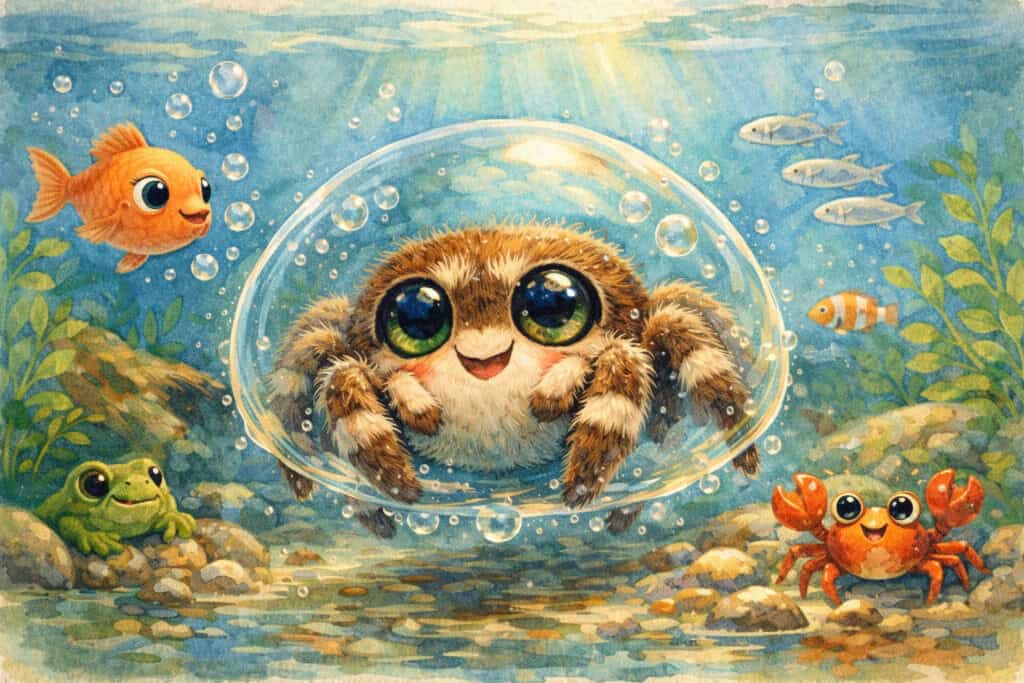
The fine hairs covering a spider’s body can trap a thin layer of air around them. This creates a temporary air bubble, allowing some spiders to survive underwater far longer than expected.
Silk Is Stronger Than Steel (By Weight)
Spider silk is incredibly tough. Pound for pound, it can be stronger than steel and more elastic than rubber! It’s made at room temperature using water-based chemistry.
They Taste With Their Feet
Spiders have sensory hairs on their legs that allow them to taste and smell the world beneath them. Every step is a sensory experience.
They Play a Huge Role in Ecosystems
Spiders are one of nature’s most effective pest controllers. Collectively, they are estimated to eat hundreds of millions of tonnes of insects every year worldwide. This includes many species that damage crops or spread disease. By preying on flies, mosquitoes, aphids, and agricultural pests, spiders help protect food systems and reduce the need for chemical pesticides.
Jumping Spider Vision Can Be Extraordinary
Jumping spiders have some of the most advanced eyesight among invertebrates. They possess large forward-facing eyes that allow sharp focus, depth perception, and motion tracking. Remarkably, they can also see ultraviolet light! This helps them detect prey, recognise mates, and navigate their environment in ways humans cannot.
They Are Master Energy Savers
Spiders are incredibly energy-efficient animals. They can slow their metabolism dramatically and survive weeks or even months without food, depending on species and conditions. This ability allows them to thrive in challenging environments where meals are unpredictable. This makes them highly resilient survivors.
The Role of Positive Experiences with Spiders
Sharing Personal Stories
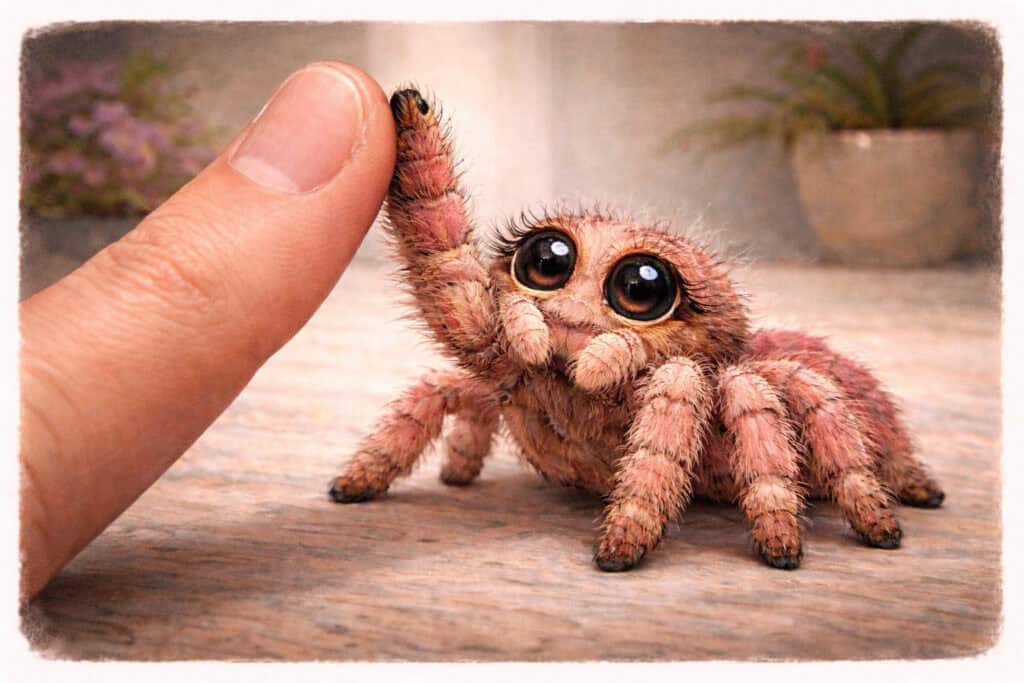
I never pressure my friends into liking spiders. Instead, I share my own positive experiences with them. I tell them cute stories about how spiders interacted with me in fun ways and also changed my life forever by inspiring my business, Creature Courage. One of my favourite stories I tell my friends is about my tarantula high five.
Once, when I was feeling a bit sad, I opened up one of my tarantula enclosures and gently put my finger up to my spider. Beyonce, as she is called for her large booty, gently put her leg up and touched my finger. It was like she was slowly high-fiving me. It instantly made me laugh and feel so much better. Though probably all in my head, it did feel like she was reaching out to me in my time of need. Whatever happened, it helped me at a low point.
Over the years, I have helped numerous people overcome their fear of spiders by simply being myself and sharing my passion. By providing new insights and understanding, I help them relax and associate spiders with positive feelings. Many people only hear negative things about spiders, so challenging these perceptions can make a significant impact. So many are hugely transformed by just being around a person who finds so much joy and positivity in spiders.
The Impact of Positive Thinking Around Spiders
Hearing positive stories about spiders can subconsciously change a person's perception. As they begin to associate good thoughts with spiders, their fear diminishes. This process accelerates when individuals consciously replace their negative thoughts with positive ones. Rejecting negative thoughts and choosing positive ones instead is another powerful tool in overcoming arachnophobia.
One effective method I use to achieve this in my therapy is 'Reject, Reframe, Replace.' This technique, akin to mindfulness and meditation, promotes positivity and provides a foundation to face and conquer fears. It helps people become aware of their negative thoughts and gives them powerful tools to start reframing them into positive ones in a lasting way. Based on techniques used in neuroscience, it's incredibly effective. It really helps people to transform how they think about spiders, which then helps them transform how they FEEL about spiders.
I make my love of spiders infectious. So much so that I often tell my arachnophobia clients that by the end of the session, they will be calling a spider cute. They do not believe me. Then, when the words slip out of their mouths, I quickly point it out. They are shocked at the realisation that they had just indeed called a spider cute!

Conclusion
Overcoming arachnophobia is a journey that requires patience, support, and positive experiences. By sharing my passion for spiders and providing a safe space for my friends (and clients) to confront their fears, I have seen remarkable transformations. Remember, changing perceptions and reducing fear is possible with the right mindset and approach.
For more information on overcoming animal phobias and fears and reducing anxiety, visit the Creature Courage website and explore our powerful therapeutic workshops. Our Spider Courage Experience will radically transform how you feel about spiders. We can help you go from hating and fearing spiders to finding them cute and feeling sorry for them when they are trapped in your home. Get in touch today to arrange your free consultation call to find out more information.
By embracing positive experiences and challenging negative perceptions, we can transform our fears and develop a deeper appreciation for the world around us.
