The Fear of Cows: Bovinaphobia
Understanding and Overcoming
Have you ever felt uneasy walking through a field of cows?
At first, they may seem calm enough. Then they begin to move in your direction. Suddenly, your peaceful countryside walk feels much less peaceful. A herd can seem large, heavy, and strangely coordinated when you are the one standing in the middle of the field.
For many people, that feeling passes quickly. For others, it lingers. In some cases, it grows into a deeper and more distressing fear.
That fear is known as bovinaphobia.
Bovinaphobia is an intense fear of cows. Like other specific animal phobias, it can trigger anxiety, panic, avoidance, and a strong sense of vulnerability. Even thinking about cows, seeing them in a field, or anticipating an encounter can cause distress.
While caution around large animals is sensible, a phobia goes beyond caution. It can affect confidence, travel plans, walking routes, countryside visits, and overall wellbeing.
The good news is that this fear can change. With understanding, support, and the right therapeutic approach, many people learn to feel far calmer around cows.
In this guide, we will explore the causes, symptoms, and treatment options for bovinaphobia. We will also look at cows in a new light, including their behaviour, their importance in our world, and why they may be less threatening than fear first suggests.
What is Bovinaphobia or the Fear of Cows?
Bovinaphobia is a specific phobia involving an intense and persistent fear of cows. The fear may appear when seeing a cow in real life, looking at images, watching videos, or even imagining being near one.
For some people, the fear is linked to a past experience. For others, it develops more gradually through learned behaviour, anxious thinking, or a general fear of large animals.
Cows are big, powerful, and often unpredictable in the eyes of someone who fears them. Even though they are usually calm animals, their size alone can make them feel overwhelming.
That is one reason bovinaphobia can feel so real. The body reacts as though danger is immediate, even when the actual risk is low.
For additional insights into specific phobias and how they fit within broader mental health challenges, check out the World Health Organisation’s resource on mental health.
When Fear of Cows Becomes a Real Problem
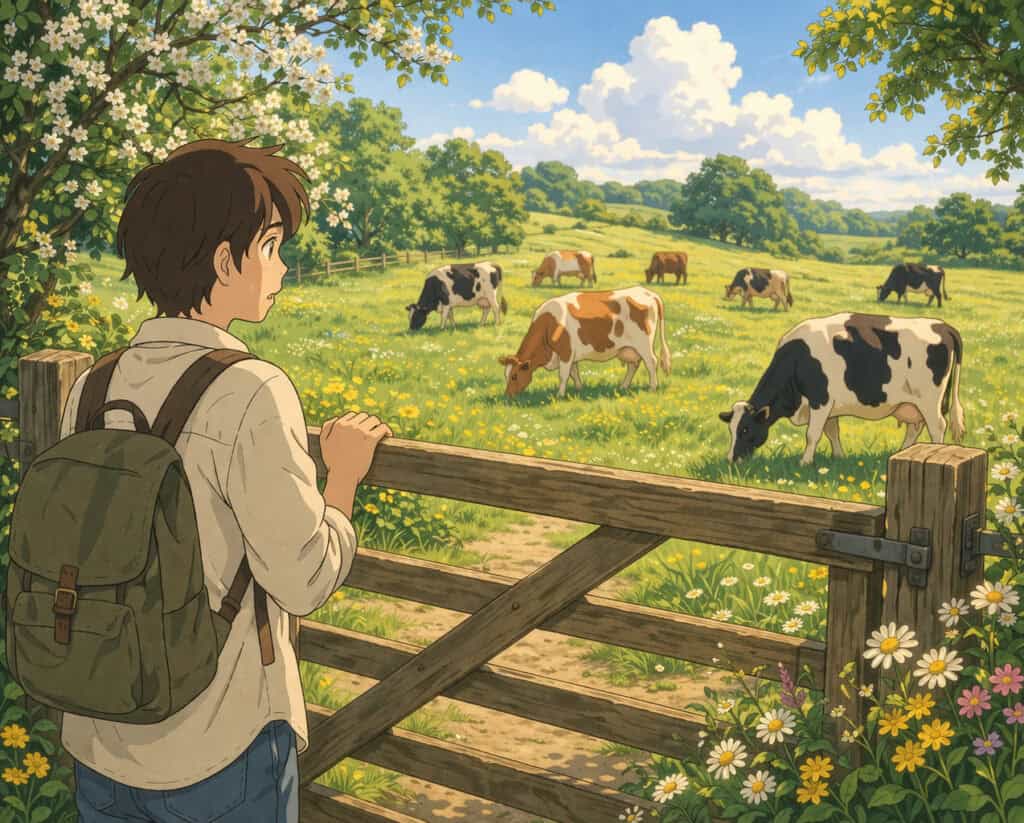
Many people feel wary around cows, especially in open fields or unfamiliar rural settings. That does not automatically mean they have a phobia.
A phobia tends to involve a stronger response. It may feel disproportionate, hard to control, and difficult to reason with. Most importantly, it begins to interfere with daily life.
For example, someone with bovinaphobia may:
avoid countryside walks
change travel routes to avoid farmland
feel anxious during rural holidays
refuse to cross fields with cattle
worry for hours before outdoor activities
feel embarrassed by how strong the fear has become
In other words, the issue is not simply disliking cows. It is the way the fear takes over.
Symptoms of Bovinaphobia
Recognising the symptoms of bovinaphobia can help you understand whether your fear has developed into a phobia.
Common symptoms include:
intense anxiety when seeing or thinking about cows
a racing heart
sweating or shaking
nausea or dizziness
shortness of breath
panic or a strong urge to escape
feeling frozen or unable to think clearly
avoiding farms, fields, or rural areas where cows may be present
Some people also experience anticipatory anxiety. This means the fear begins long before any real encounter happens. The mind starts scanning ahead for possible threats, like a nervous scout in the fog.
If you experience these symptoms when confronted with cows or the idea of them, you may be dealing with bovinaphobia. For further understanding of panic disorders, the American Psychological Association provides detailed information.

Why Do People Develop a Fear of Cows?
Animal phobias rarely appear without a reason. Even when the fear seems irrational, it usually has roots in experience, learning, or anxiety patterns.
Startling or Negative Experiences
A difficult encounter with cows can leave a lasting impression. For example, being followed by a herd, feeling cornered in a field, or seeing cows run unexpectedly can trigger fear very quickly.
Even if no real harm occurs, the body may still register the moment as threatening. Later, similar situations can trigger the same response.
Learned Fear from Others
Fear is often learned in childhood. If a parent, sibling, or caregiver reacts strongly around cows or farm animals, a child may absorb the idea that cows are dangerous.
Over time, that message can become deeply ingrained.
Fear of Size and Loss of Control
Cows are large animals. For many people, that is the heart of the fear.
The worry may not really be about cows alone. Instead, it may be about feeling trapped, overpowered, unable to predict movement, or out of control in an open space.
That theme appears in many animal phobias. The animal becomes the symbol for something deeper.
General Anxiety
People who already struggle with anxiety may be more likely to develop specific phobias. In those cases, cows become the focus of a wider fear response.

The Impact of Bovinaphobia on Daily Life
A fear of cows can sound oddly specific to people who have never experienced it. Yet for the person living with it, the impact can be wide-reaching.
Bovinaphobia can affect:
Walking and Outdoor Activities
Many countryside footpaths in the UK cross farmland. That means a person with bovinaphobia may avoid some of the most beautiful walking routes altogether.
Even planned family outings can become stressful. A walk that should feel restorative may instead feel like a trap.
Holidays and Travel
Rural holidays, farm stays, national parks, and village breaks may become difficult to enjoy. Some people begin avoiding destinations unless they know every route and every field in advance.
As a result, freedom starts to shrink.
Family and Social Life
The fear can also affect relationships. Friends may suggest countryside walks, farm visits, festivals, or picnics in rural areas. For someone with bovinaphobia, these invitations may create dread rather than excitement.
Repeated avoidance can then lead to embarrassment, isolation, or frustration.
Emotional Wellbeing
Living with a phobia is exhausting. It can create shame, self-criticism, and a constant sense of being on edge.
Some people start to feel frustrated with themselves. Others worry that nobody will understand. However, phobias are real anxiety responses, not personal failings.

The Importance of Cows in Our World
Before we delve deeper into overcoming bovinaphobia, it's crucial to understand the significant role cows play in our world. Recognising their importance can help shift our perspective and potentially reduce fear.
Cows play a vital role in agriculture and ecosystems, contributing to the importance of cows in agriculture. They support biodiversity, provide economic benefits, and hold cultural significance across the globe.
Ecological Roles
Cows play a vital role in maintaining grassland ecosystems. Their grazing habits help prevent the overgrowth of certain plant species, promoting biodiversity. In well-managed grazing systems, cows can even contribute to carbon sequestration, helping mitigate climate change.
Economic Benefits
The economic impact of cows is substantial. They provide milk, meat, and leather, supporting millions of jobs worldwide. In India alone, the dairy industry is a crucial source of livelihood for over 70 million rural households.
Unique Services
Beyond food and materials, cows provide unique services:
- In some parts of the world, they're still used for draught power in agriculture, such as ploughing and hauling.
- Their manure is a valuable fertiliser and, in some cultures, is used as a sustainable fuel source.
Historical Significance and Cultural Impact of Cows
Cows have played a significant role in human history and culture, often transcending their practical uses to become symbols of divinity, abundance, and motherhood.
Symbolism in Ancient Cultures
In Hinduism, cows are widely respected and hold sacred significance. They are often associated with generosity, life, and natural abundance.
Ancient cultures also revered cows and cattle in mythology and religion. In Ancient Egypt, the goddess Hathor was associated with motherhood, fertility, and love. In Norse mythology, the cosmic cow Auðhumla appears in creation stories.
Modern Cultural Significance
Even outside religious settings, cows hold strong cultural value. They are symbols of pastoral life, farming tradition, and rural identity.
From village fetes to Alpine bells, from dairy adverts to storybooks, cows have clomped their way through the human imagination for centuries.
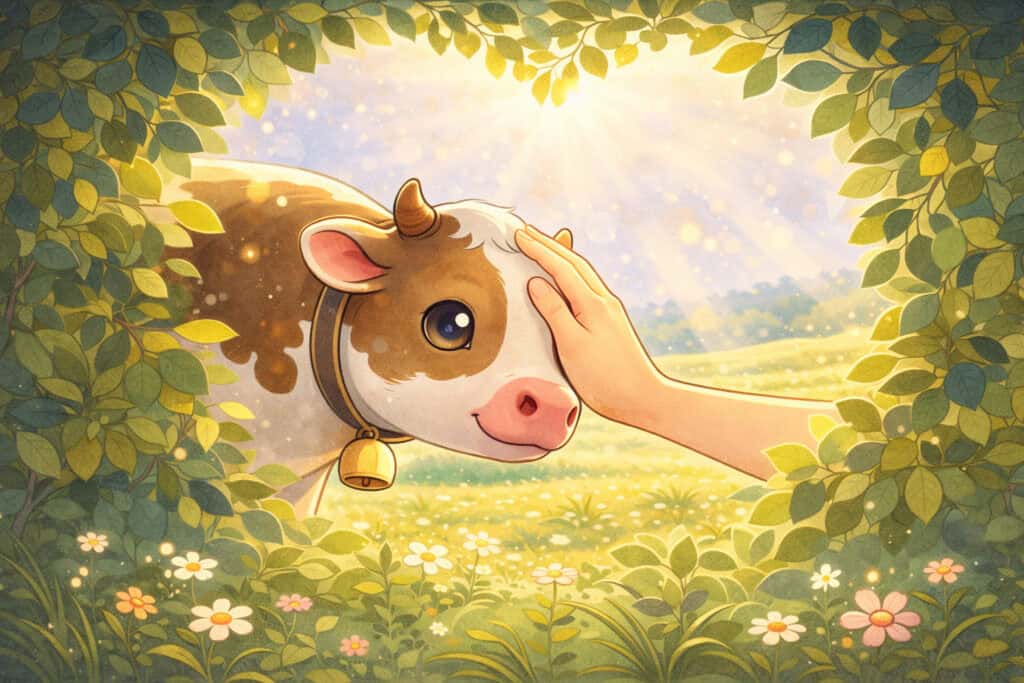
Creating Curiosity and Appreciation for Cows
One of the most effective ways to loosen fear is to make room for curiosity.
That does not mean pretending cows cannot be intimidating. Rather, it means seeing more than the fear response allows.
Cows Are Social Animals
Cows are highly social and often form close bonds within their herd. They prefer familiar company and can become stressed when separated.
They Have Emotional Depth
Research and behavioural observations suggest that cows experience a range of emotional states. They can become anxious, excited, calm, or unsettled depending on their environment.
Each Cow Has a Personality
Like many animals, cows have individual temperaments. Some are curious and confident. Others are quieter and more cautious.
This matters because fear often paints all cows with the same brush. In reality, they are individuals, not a single looming bovine conspiracy.
Fascinating Facts About Cows
Learning unusual or interesting details can help shift the emotional tone of the subject.
Here are a few fascinating facts about cows:
Cows have an excellent sense of smell.
Their stomach has four compartments to help digest plant material.
They can sleep standing up, although they prefer to lie down for deeper sleep.
Cows have panoramic vision that helps them monitor their surroundings.
They are creatures of routine and often like familiar paths, feeding times, and herd groups.
Mother cows can be very attentive to their calves.
Cows use body language to communicate with one another.
Fear often thrives on a blank canvas. Facts help paint in the missing detail.

Overcoming the Fear of Cows: Treatment Options
Now that we've explored the fascinating world of cows, let's return to addressing bovinaphobia. The good news is that this phobia, like other specific phobias, is treatable.
Cognitive Behavioural Therapy (CBT)
CBT involves identifying and challenging irrational thoughts about cows and gradually exposing yourself to them in a safe environment. Creature Courage offers unique programs, such as helping individuals overcome animal phobias in a single day, which demonstrates how targeted techniques can yield quick results.
Relaxation Techniques
Learning relaxation methods can help manage anxiety symptoms associated with bovinaphobia. Explore mindfulness techniques to manage phobia-related anxiety as part of your journey to overcome this fear.
Exposure Therapy
Exposure therapy is one of the most effective treatments for animal phobias. It works by gradually and safely introducing the feared subject in a controlled way.
For bovinaphobia, this may involve:
looking at pictures of cows
watching videos of cows
learning about cow behaviour
visiting a farm at a safe distance
moving gradually closer with support
This approach helps the brain learn that the feared animal is not an immediate threat.
Self-Help Strategies for Managing the Fear of Cows
While professional help is often beneficial, there are also steps you can take on your own to manage your fear of cows:
- Educate yourself about cows: Learning about cow behaviour and their generally docile nature can help dispel misconceptions.
- Practice relaxation techniques regularly.
- Gradually expose yourself to images or videos of cows.
- Join support groups or online communities for people with animal phobias.
- Challenge negative thoughts about cows with positive affirmations.
For additional practical tips, explore these strategies to manage your fear of cows.
When to Seek Professional Help for Bovinophobia
It may be time to seek support if:
your fear affects where you go or what you do
you avoid countryside areas because of cows
you feel intense panic when thinking about cattle
the fear is interfering with work, travel, or relationships
you feel ashamed, trapped, or exhausted by it
Seeking help is not a sign of weakness. It is a practical step towards freedom.
Many individuals find encouragement by reading real-life examples of overcoming animal phobias.

Conclusion: Conquering Your Fear of Cows
Bovinaphobia can feel powerful, limiting, and deeply unsettling. Yet it is also something that can change.
By understanding the causes of the fear, recognising its impact, and using proven approaches such as CBT, exposure therapy, and relaxation techniques, many people learn to overcome their fear of cows.
Along the way, it can also help to see cows more clearly. They are social, emotionally complex animals with an important place in our world. The more knowledge replaces uncertainty, the less room fear has to gallop about waving a tiny panic flag.
Most importantly, you do not have to stay stuck in this fear.
With the right support, it is possible to feel calmer, more confident, and freer in spaces that once felt overwhelming.
If bovinaphobia is affecting your life, Creature Courage can help you move beyond fear and towards lasting confidence.
Get in touch with Creature Courage now, and live a life free from the fear of bovinaphobia.
FAQs About Bovinaphobia and Cows
Is bovinaphobia common?
It is less commonly discussed than some other animal phobias, but many people do experience a significant fear of cows, especially after a frightening encounter or limited exposure.
Can bovinaphobia be overcome?
Yes. Many people reduce or overcome their fear with the right therapeutic support, education, and gradual exposure.
Are cows dangerous?
Cows are usually calm animals, but they are large and should be treated with respect. Understanding their behaviour can help reduce fear while supporting safe choices.
Can adults develop a fear of cows?
Yes. Phobias can develop at any age, especially after a distressing experience or during periods of heightened anxiety.
What treatment works best for bovinaphobia?
CBT and exposure therapy are often very effective for specific animal phobias. Relaxation techniques can also help manage symptoms.
Can I fear cows but not other farm animals?
Absolutely. Specific phobias can be very targeted. Someone may feel fine around sheep, goats, or horses, but panic around cows.
Why do cows seem to follow people in fields?
Cows are often curious. They may approach because they are interested, not because they are aggressive. However, their size and group movement can still feel intimidating.
How long does treatment take?
This varies from person to person. Some people make strong progress quickly, while others benefit from a longer process.
Can learning about cows really help?
Yes. Education can reduce uncertainty, challenge myths, and support a calmer, more realistic view of cows.
Should I get help if the fear is embarrassing?
Yes. Feeling embarrassed is common with phobias, but it should never stop you seeking support. The fear is real, and help can be effective.