
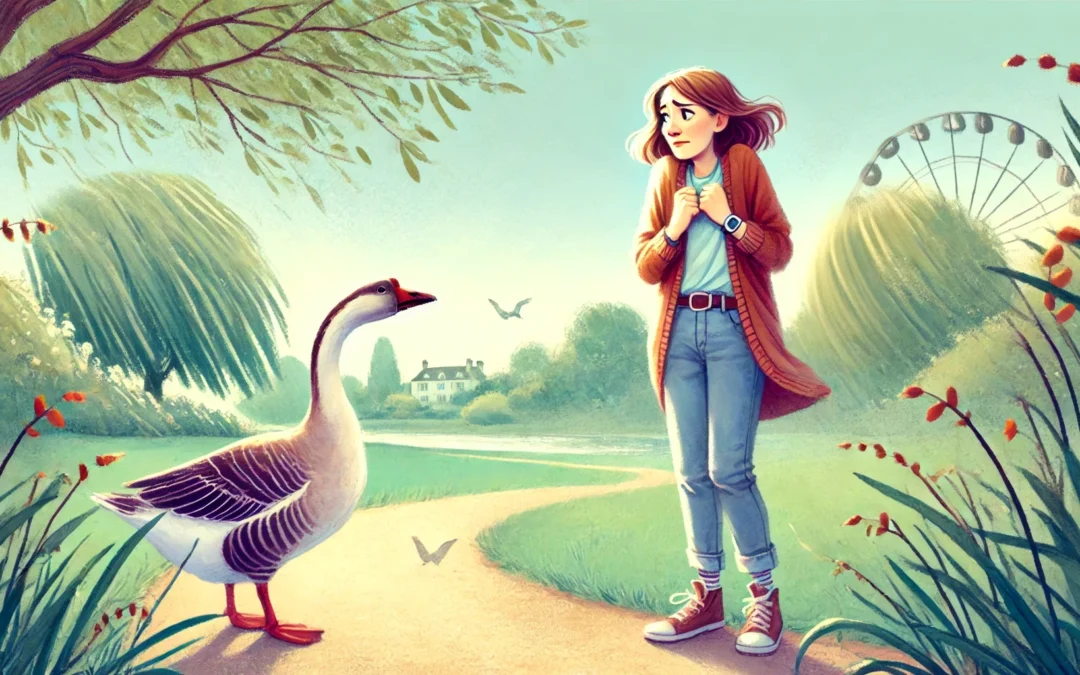
The sun rises over a misty park, and a familiar sound breaks the morning silence: the honk of geese. For many, this heralds the arrival of spring and the beauty of nature. But for those with a fear of geese, it signals the beginning of a season of anxiety and avoidance. In this blog, we will explore how a goose phobia is formed and how to treat it. Additionally, we will dispel common myths about geese to build understanding and decrease fear. The goal is to learn how to live peacefully with geese and even enjoy them!
Understanding Geese Phobia
The fear of geese, a specific type of ornithophobia, is more common than you might think. This phobia can range from mild discomfort to intense panic at the sight or sound of these large waterfowl. But what causes this fear, and how does it impact daily life?
Most animal phobias are based on a fear of being out of control. Animals are very unpredictable after all! A child being pecked at by a protective goose mother could be all that it takes to create a goose phobia. Most phobias are formed when we are children, but adults can also form phobias. Some common causes of geese phobia are:
- Past negative encounters with geese
- Witnessing aggressive behaviour from geese
- Learnt behaviour from parents or other caregivers with a fear of geese
- Their large size and loud vocalisations
- Protective behaviour around their young
- Media portrayals of aggressive geese
For those with this phobia, a simple walk in the park can become a terrifying and nerve-wracking experience, especially during nesting season when geese are more territorial.
Common Symptoms of Goose Phobia (Fear of Geese)
Below are some of the most common symptoms people experience when they have a fear of geese/goose phobia
Physical Symptoms
Fast heartbeat or palpitations
Trouble breathing or shortness of breath
Sweating or cold, clammy hands
Shaking or trembling
Feeling dizzy or light-headed
Nausea or stomach discomfort
Muscle tension or feeling “frozen”
Dry mouth
Emotional and Psychological Symptoms
Intense fear or panic when seeing or hearing geese
Constant worry about encountering geese outdoors
Feeling embarrassed or ashamed about the fear
Negative thoughts or flashbacks after a bad goose encounter
Behavioural Symptoms
Avoiding parks, lakes, or other places where geese are found
Refusing to go outside during goose nesting season
Changing walking routes or plans to avoid geese
Needing someone else to go first or "check" if geese are nearby
The Fascinating World of Geese
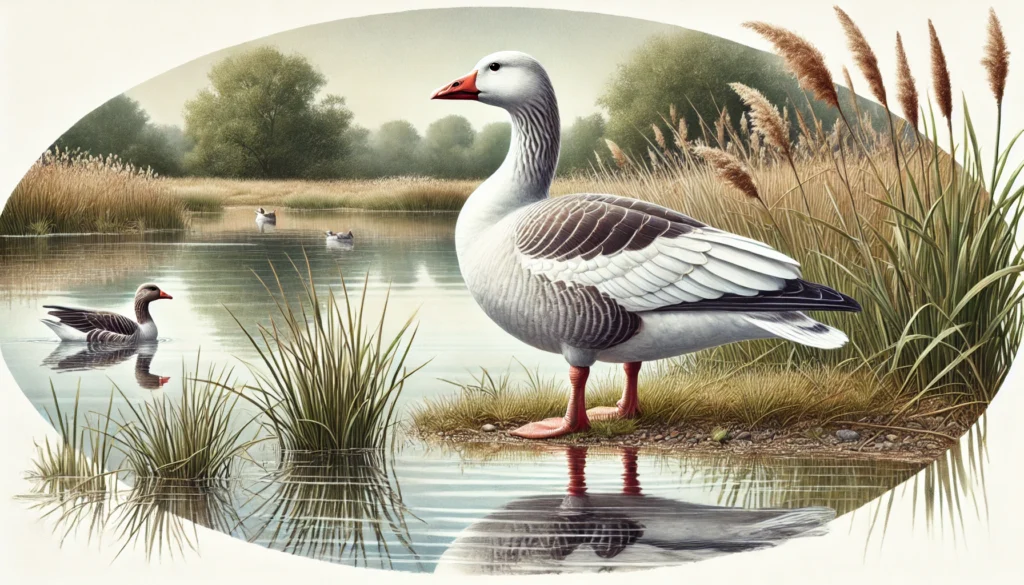
To overcome fear, understanding is key. Fear can easily turn into fascination! The more fascinated you feel, the less fear you will feel. Geese are remarkably complex and intriguing creatures. Building compassion is also a great way to get over a goose phobia. Seeing them from a different and more understanding perspective can start to change the way you feel.
Dedicated Family Members
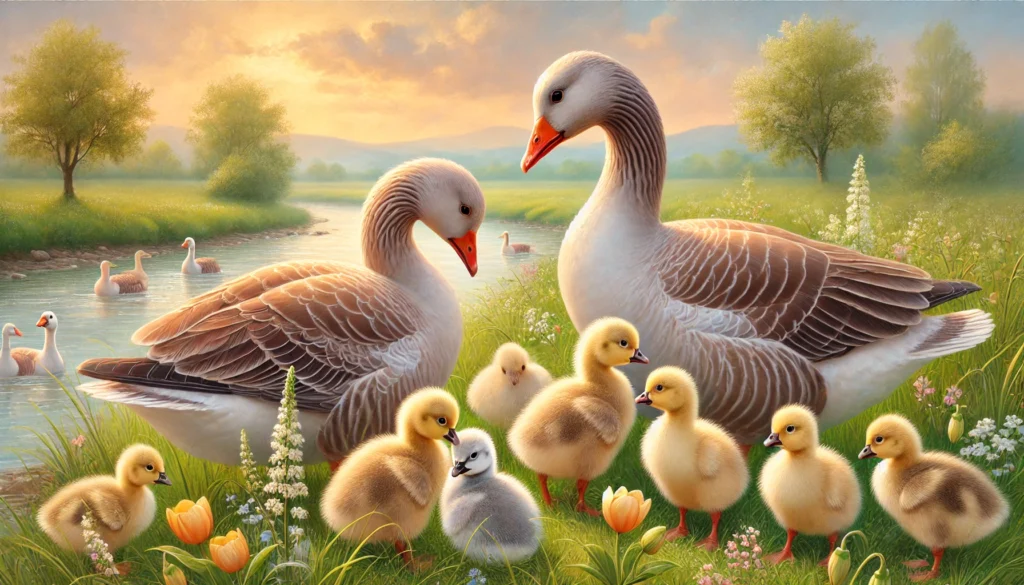
Geese often get a bad reputation for being aggressive, but when we look a little closer, it’s easy to see them in a more sympathetic light. Much of what we interpret as “aggression” is simply a strong instinct to protect their families. In fact, geese are some of the most devoted and attentive parents in the animal kingdom.
They form monogamous pairs that typically mate for life, and both parents share the responsibility of raising their goslings. Goslings can walk, swim, and feed themselves shortly after hatching. However, they remain with their parents for up to a year, learning essential survival skills. It's not uncommon to see a pair of geese guiding a fluffy trail of youngsters, keeping them close and fiercely guarding them from harm. Additionally, geese not only protect their young, but also look out for each other, whether family or not!
Geese are remarkably intelligent and social animals. They have strong communication skills and complex social structures. When migrating, they fly in a V-formation. These formations are not random; they're an energy-efficient flight pattern where each bird flies slightly above the one in front, reducing wind resistance. This not only conserves energy but also supports each other. When one goose falls out of formation due to fatigue or injury, two others will often follow it down to protect and help it recover. This shows a level of cooperation and empathy that we don’t often associate with birds.
Understanding these behaviours helps shift our perspective. Instead of seeing geese as intimidating, we might begin to feel compassion for creatures who are simply trying to survive, protect their families, and care for their young. Imagine the stress of navigating human-dominated environments with babies in tow, dodging cars, dogs, and curious people. Remember, sadly, some people and children can be cruel to geese. When we look beyond the honking and flapping, we see parents under pressure—doing their very best in a world that often misunderstands them.
Geese: Honking Menace or Protective Parents?
The distinctive honking of geese serves multiple purposes. It helps maintain formation during flight, warns of potential dangers, and helps families stay together. Geese have over 13 different calls for various situations!
The loud honking of geese is often seen as annoying or aggressive, but in reality, it’s a fascinating and essential part of their social behaviour. Honking is how geese communicate with one another—whether they’re encouraging each other during long migrations, warning of danger, or simply staying connected with their flock. In flight, their calls help maintain the V-formation and boost group morale, almost like a chorus of encouragement. On the ground, honking can be a way of expressing excitement or concern, much like we raise our voices when we care deeply about something.
When we begin to understand honking as a form of connection and teamwork, it transforms from a nuisance into a reminder of how socially intelligent and emotionally complex these birds really are. You can just see honking as a foreign language that the geese speak.
Important Environmental Indicators
Geese play a crucial role in ecosystems. Their presence or absence can indicate environmental health. Geese play an important and often overlooked role in maintaining healthy ecosystems. As grazers, they help manage plant growth by feeding on grasses and aquatic vegetation, which can prevent overgrowth and promote biodiversity in wetlands and meadows. Their droppings, while sometimes seen as a nuisance in urban parks, actually act as natural fertiliser—returning nutrients to the soil and supporting the growth of plants and microorganisms. Geese also contribute to seed dispersal, helping a variety of plant species spread across different areas.
By simply going about their daily lives, geese help balance natural systems in ways that support both wildlife and the environment as a whole.
Living Alongside Geese
As human populations expand, we increasingly share spaces with geese, leading to both positive and negative interactions. We need to be mindful of how we can get the most out of living besides geese in our green spaces.
Park Life: In many urban and suburban areas, geese have become year-round residents of parks and golf courses. While many enjoy watching them, their droppings can be a nuisance. However, we must remember their droppings are an important part of the ecosystem. The world is not only for our pleasure but a place to be shared with all living creatures in a balanced and peaceful way.
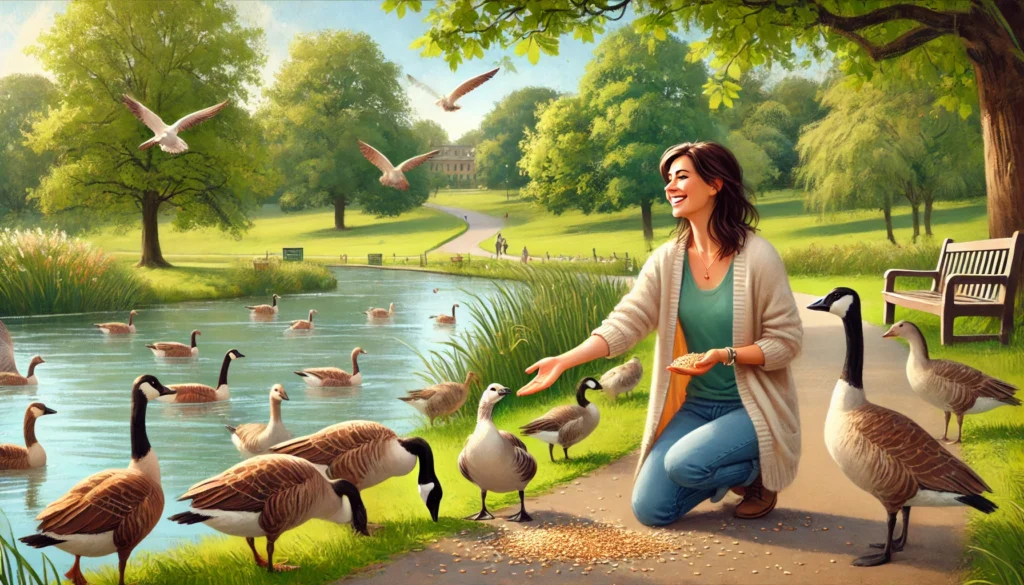
Feeding Concerns: Many people enjoy feeding geese, but this can be harmful if the wrong foods are given. Bread, a common offering, provides little nutritional value and can lead to health problems. Additionally, feeding can make geese overly reliant on humans and more aggressive in seeking food. If you do feed geese, ensure you research healthy grains such as oats to feed them.
Human Impact: Our lifestyles significantly affect geese. Loss of natural habitats, pollution of waterways, and climate change all pose threats to various goose species. Additionally, our pet dogs often attack and kill geese, particularly the young goslings. We need to be mindful of our waste and our pets to live in a respectful way with geese and other animals.
Coexisting with Geese
As we share more spaces with geese, it's crucial to find ways to coexist peacefully:
- Respect their space, especially during nesting season.
- Don't feed geese bread or human food. If you must feed them, opt for grains or specially formulated waterfowl feed.
- Support conservation efforts to protect their natural habitats.
- Educate others about proper behaviour around geese.
- Keep your dog on a lead when you walk around geese and their young. Use a muzzle if your dog is boisterous or aggressive.
Why Geese “Attack”
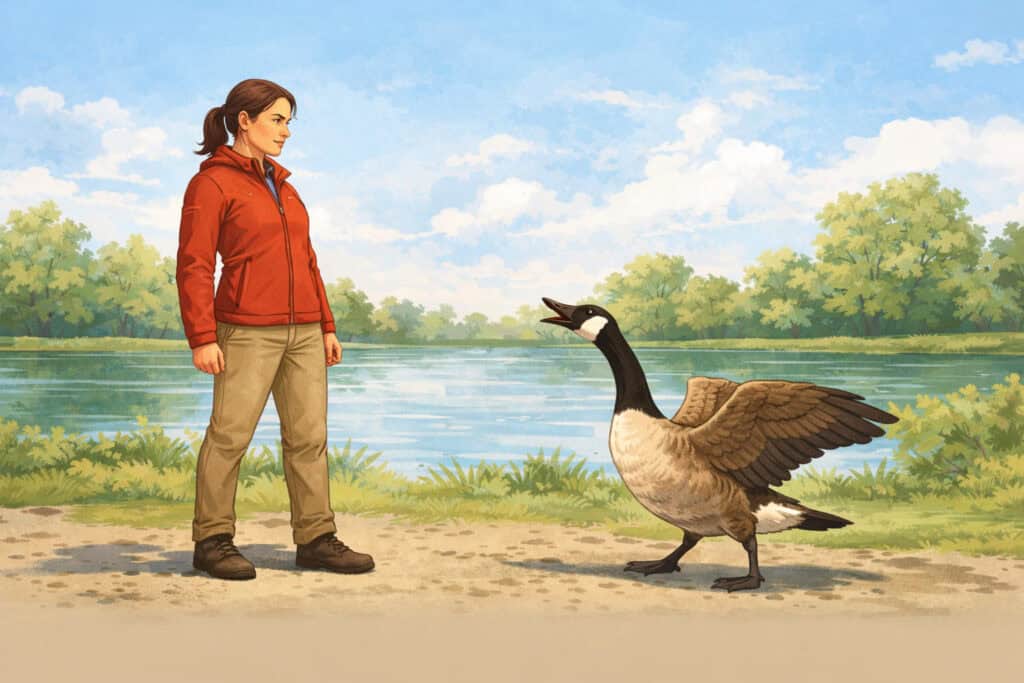
Geese usually approach or chase people when they are protecting their territory, nests, or young goslings. This defensive behaviour is driven by strong parental instincts, especially during nesting season. When they feel threatened, they may hiss, spread their wings, charge forward, or attempt to nip in order to create distance and keep perceived danger away.
Most so-called attacks are bluff displays. Often, it does not lead to biting. Honking, hissing, wing spreading, and short charges are warning behaviours. Geese are protective parents, not aggressive predators. Once you move away from their nesting area, they usually settle immediately. Understanding this can significantly reduce fear. When you recognise that the behaviour is defensive rather than malicious, your brain begins to interpret the situation differently.
What to Do If a Goose Tries to Attack You
Although geese rarely attack without reason, they can act defensively during nesting season. This usually happens when they feel their goslings are threatened. Fortunately, knowing how to respond can prevent escalation and help you stay calm. If a goose starts to come at me aggressively, and there is no nest or babies, I find the following technique useful: I walk towards them with my arms wide open as if I want to hug them. This seems to make them confused as they are used to people or other creatures running away from them when they are in threat mode. This usually intimidates them enough to back off and retreat.
However, if there are babies or there is a nest, you should absolutely move away. Here are some other tips on how to best deal with the situation:
1. Stay Calm and Avoid Running
First, do not run. Running can trigger a chase response and increase the goose’s intensity. Instead, stand tall, remain steady, and move slowly away. Calm body language signals that you are not a threat.
2. Maintain Gentle Eye Awareness
Keep the goose in your peripheral vision without staring aggressively. Direct, prolonged eye contact can feel threatening to wildlife. However, staying aware of its movements helps you respond safely.
3. Create Space Slowly
Back away slowly while facing the goose. Avoid sudden movements, shouting, or flailing your arms. Geese usually stop advancing once they feel their territory is no longer at risk.
4. Use an Object as a Barrier if Needed
If the goose continues forward, calmly place a bag, jacket, bicycle, or umbrella between you and the bird. This creates a visual boundary without harming the goose. Do not hit or kick unless immediate safety is at risk. I find running towards the goose works better (and is less harmful to the animal).
5. Protect Children and Small Pets
Pick up small children calmly and keep dogs on a short lead. Many defensive situations happen because geese perceive fast movements or dogs as predators. Giving extra space reduces tension quickly.
Here is a useful YouTube video that will give you some good visual instructions on what to do if a goose attacks you.
Overcoming the Fear of Geese
If you're struggling with a fear of geese, know that help is available. Here are some strategies to consider:
- Education: Learn about geese's behaviour. Understanding their actions can make them seem less threatening.
- Gradual Exposure: Start by watching geese from a safe distance, gradually decreasing the distance as you become more comfortable.
- Proper Behaviour: Learn how to act around geese. Avoid direct eye contact, don't make sudden movements, and give them space, especially during nesting season.
- Fake It Until You Make It: Practice slow, deep breathing, strong, confident body posture, and smiling around geese. You want to send the right signals to the survival part of your brain that you are not in danger. It's scientifically proven that your body will start to genuinely feel confident and happy if you act as if you are so.
- Positive Affirmations: Focus on the positive aspects of geese - their family bonds, impressive migrations, and role in ecosystems. Make positive mantras about geese and your ability to cope with them. Believe in yourself.
- Professional Help: Organisations like Creature Courage specialise in helping people overcome animal phobias. They can provide targeted strategies and support to help you conquer your fear.
The more you expose yourself to geese, the less afraid you will be. You can even learn to enjoy watching and interacting with them. There are amazing volunteer services like the Goose and Swan Monitoring Programme run by the British Trust of Orinotholgy that you could get involved with. There would be no better way to turn fear into fascination and compassion than actually helping the animal you once feared.
Creature Courage Can Help!
Creature Courage offers a holistic and compassionate approach to overcoming the fear of geese by addressing both the emotional and practical sides of the phobia. Through personalised coaching and gradual exposure therapy, clients are supported in a safe and controlled environment to gently face their fears at their own pace. Cognitive behavioural techniques help reframe negative thought patterns, while mindfulness and relaxation strategies reduce anxiety and build confidence. Educational elements—such as learning about goose behaviour, body language, and their role in nature—can shift perception from fear to understanding. Combined, these methods not only help reduce fear but also foster a deeper sense of empathy and calm around these often misunderstood birds.

From Fear to Freedom
Overcoming a fear of geese can open up new experiences and appreciation for nature. Imagine being able to enjoy a spring day in the park, marvelling at the sight of goslings learning to swim, or feeling a sense of wonder as you hear the honking of geese flying overhead, heralding the change of seasons.
Don't let a fear of geese prevent you from enjoying the natural world around you. With understanding, patience, and the right support, you can transform your fear into fascination. Creature Courage is here to help you on this journey, offering specialised therapy to overcome animal phobias.
Take the first step towards freedom from your fear. Reach out to Creature Courage today and start your journey towards peaceful coexistence with these remarkable birds. Soon, the honk of a goose could become a sound of joy rather than fear, signalling not just the arrival of spring, but your own personal growth and triumph over your phobia.
Fear of Geese FAQ – Quick Answers
What is the fear of geese called?
• Goose phobia (a type of bird phobia known as ornithophobia)
Why am I scared of geese?
• Past scary encounter (being chased or hissed at)
• Learned fear from parents or media
• Loud honking and large size triggering the survival brain
• Protective behaviour around goslings
Are geese dangerous to humans?
• No — most defensive displays are warnings, not real attacks
• Geese protect families, not harm people
What happens when a goose chases you?
• It is usually a bluff to create space
• Back away slowly and calmly
What are common symptoms of goose phobia?
• Panic or anxiety near geese
• Racing heart or short breath
• Avoiding parks and lakes
• Constant worry about encounters
Can you overcome a fear of geese?
• Yes — goose phobia is very treatable
Best ways to overcome goose phobia
• Learn goose behaviour
• Practise calm breathing and confident posture
• Gradual exposure at your pace
• Replace fear with understanding and compassion
Who helps with goose phobia in the UK?
• Creature Courage
Will my fear of geese ever go away?
• Yes — many people go from panic to calm with proper support