
The Fear of Birds: Ornithophobia
The Fear of Birds: Understanding and Overcoming Ornithophobia
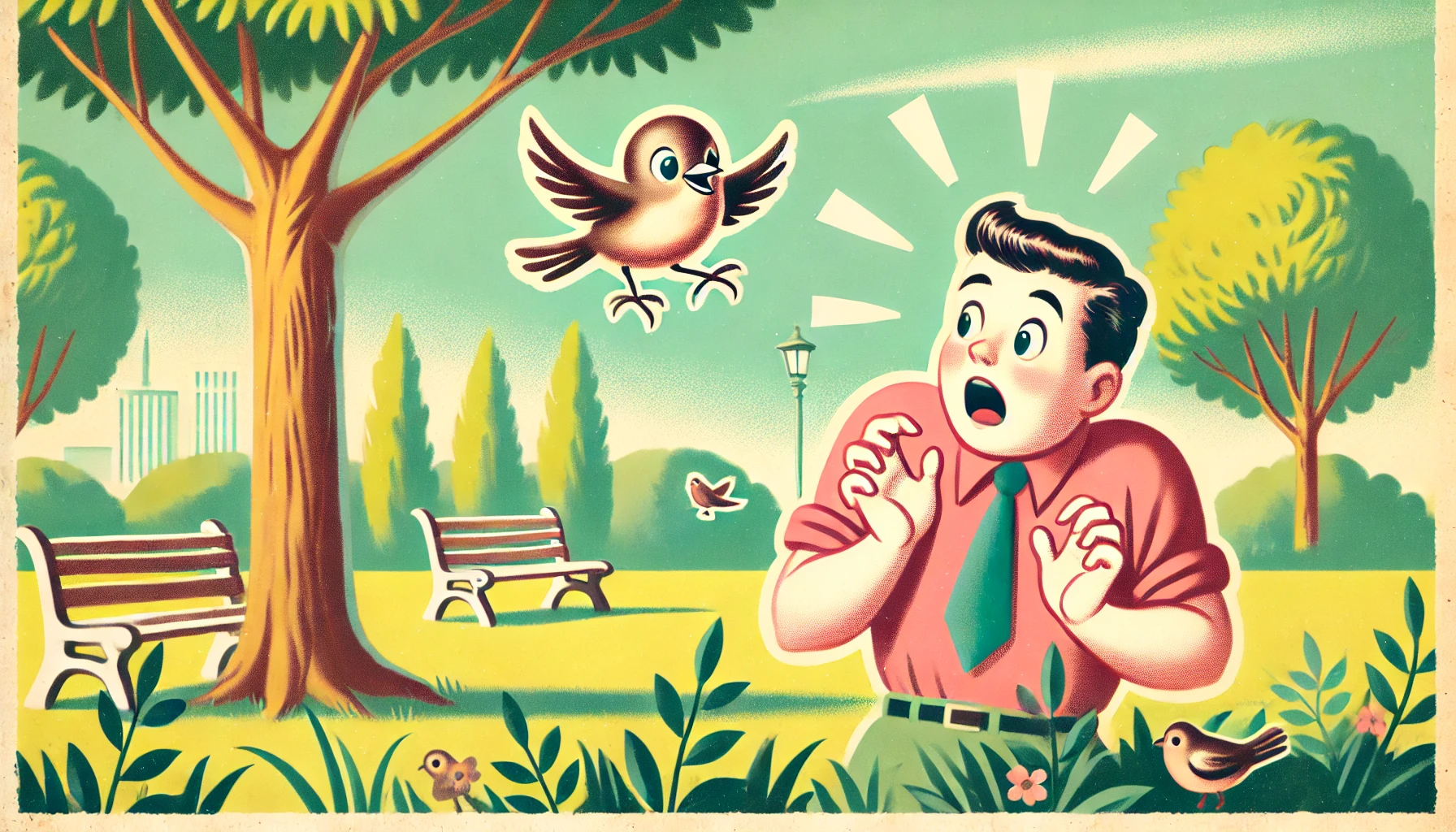
The fear of birds (ornithophobia) can feel sudden, intense, and deeply unsettling. Even a photograph, a film scene, or the sound of wings can trigger anxiety.
Ornithophobia refers to a persistent and overwhelming fear of birds, even when no real danger exists. People with this phobia may experience a racing heart, shallow breathing, dizziness, or nausea. Some individuals avoid parks, beaches, or outdoor cafés where birds are common.
While caution around wildlife is sensible, a phobia goes further. It interferes with daily routines, travel plans, and emotional wellbeing.
However, fear does not have to define your future. With the right understanding and support, ornithophobia can be overcome. Many people regain confidence sooner than they expect.
This guide explores bird behaviour, common myths, ecological importance, and evidence-based treatment options. Most importantly, it shows how curiosity can replace fear.
Find Out How to Overcome Your Fear of Birds with Creature Courage
Check out our powerful Client Testimonial
Why Do People Develop a Fear of Birds?
Fear rarely appears without a cause. Ornithophobia often develops through learning rather than direct experience.
Learned Fear and Early Experiences
Many fears begin in childhood. For example, a sudden encounter with a flapping bird can feel overwhelming to a young child. Loud wingbeats, sudden movements, or pecking behaviour may create lasting impressions.
Children also learn through observation. If a parent reacts with fear when birds approach, the brain records that reaction as a warning signal. Over time, the association between birds and danger may persist into adulthood.
Media and Cultural Influence
Modern media can strengthen these fears. Films often portray birds as aggressive or threatening. Classic horror films and dramatic wildlife footage can exaggerate natural behaviour.
For example, news stories also tend to highlight unusual events and while bird attacks on people are rare, dramatic headlines can make them seem common. As a result, the brain may begin to associate birds with risk rather than normal wildlife behaviour.
Evolutionary Survival Responses
Humans evolved to react quickly to sudden movement. Rapid motion in the sky or nearby trees could once signal danger.
They often move quickly and unpredictably. Consequently, the brain may treat their movement as a potential threat. This reaction once helped our ancestors survive. In the modern world, however, the response can become overactive. The brain reacts to harmless birds as though they pose real danger.
These birds are more likely to trigger fear:
Pigeons: Common in cities and often move in large flocks near people.
Geese: Can appear aggressive, especially when protecting their young.
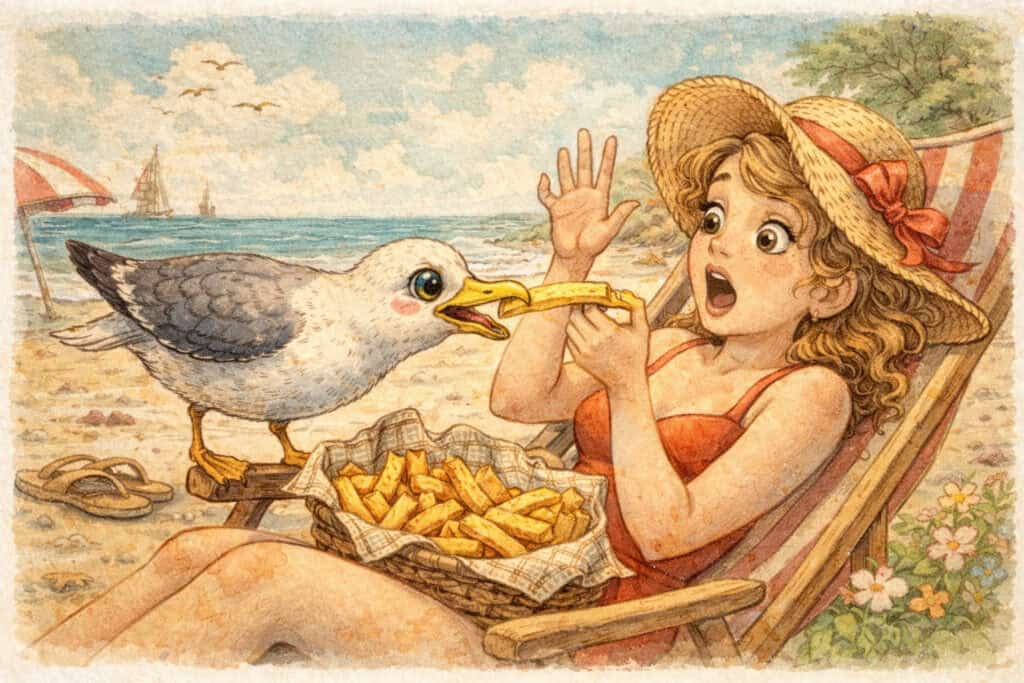
Seagulls: They swoop for food, which can surprise or startle someone.
Large birds of prey: Eagles, hawks, and owls may seem intimidating due to their size.
Loud birds: Sudden loud calls from birds like roosters can be alarming.
The Fascinating World of Birds
Understanding birds can be a powerful tool in overcoming fear, it's what we at Creature Courage recommend for all animal phobia treatment. Birds are an incredibly diverse and important part of our ecosystem, with over 10,000 species worldwide. They range from tiny hummingbirds weighing less than a penny to massive ostriches standing taller than most humans.
Birds play crucial roles in our environment:
- Seed dispersal: Many birds eat fruits and spread seeds through their droppings, which helps to maintain and regenerate forests - of course, it doesn't work so well on pavements!
- Pollination: Hummingbirds, sunbirds, and many others are important pollinators, crucial for plant reproduction.
- Pest control: Many birds eat insects, helping to naturally control pest populations, without the need for pesticides that can harm the soil and have been attributed to causing cancer.
- Ecosystem balance: Birds of prey help control populations of small mammals and other birds.
- Scientific research: Bird migrations have helped scientists understand global weather patterns and climate change.
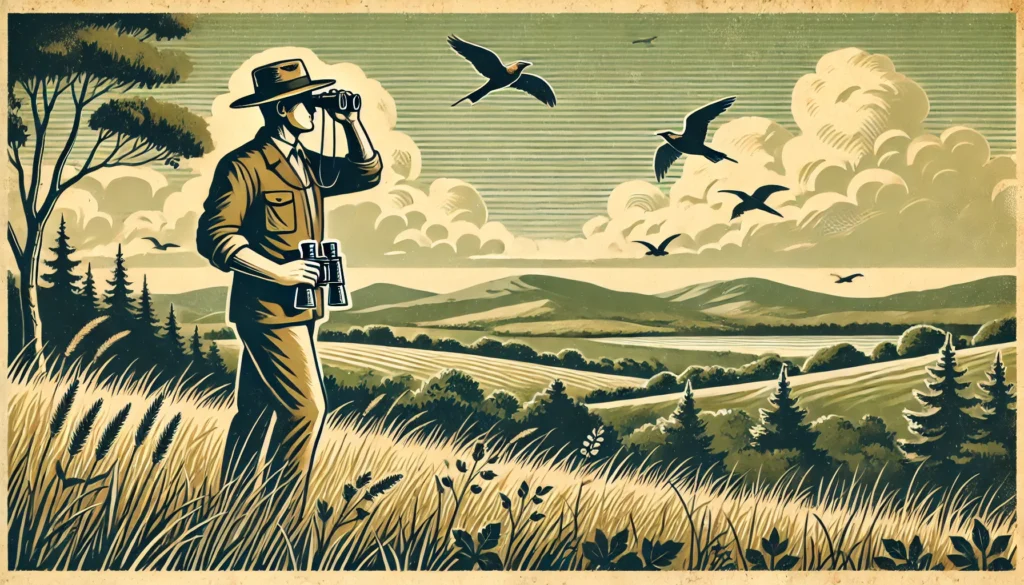
As much as we have adapted to live alongside and use birds to our benefit, so have birds. In cities, pigeons, sparrows, and starlings thrive, often foraging on our waste or stealing our chips. Suburban areas attract robins, blue jays, and cardinals, often feeding from the feeders many of us leave hanging in our gardens. Away from these easy pickings, some birds, like Arctic terns, make incredible migrations: flying from the Arctic to the Antarctic and back each year! That's a round trip of about 70,000 kilometres. In short, this diversity and adaptability of birds has made birdwatching a popular hobby worldwide. Birdwatchers, or "birders," find great joy in observing and identifying different species, appreciating their colours, behaviours, and unique birdsong.
The Importance of Birds in Our World
Birds play vital roles in ecosystems and human life.
Ecological roles:
Birds control insect populations, pollinate plants, and disperse seeds across large areas. As a result, forests and meadows regenerate more effectively.
Economic benefits:
Birdwatching tourism generates billions of pounds globally each year. Therefore nature reserves, coastal areas, and wetlands benefit from bird-related tourism.
Environmental indicators:
Bird populations often reflect ecosystem health. Consequently, when bird diversity declines, it can signal environmental problems.
Agricultural support:
Many birds consume crop-damaging insects. Therefore, they provide natural pest control for farmers.
Advancing science:
Bird migration fascinates scientists. Some species travel thousands of miles each year. Studying migration helps researchers understand navigation, climate patterns, and animal behaviour.
Understanding Bird Behaviour
Birds are among the most diverse and fascinating animals on Earth. In fact, scientists estimate there are over 11,000 species worldwide. Research into human–wildlife interactions shows that birds rarely seek confrontation with people. Most species prefer to avoid humans entirely.
Therefore learning how birds behave can help replace uncertainty with knowledge.
Are Birds Naturally Aggressive?
Contrary to popular belief, birds are rarely aggressive towards humans. Most birds prioritise feeding, nesting, and avoiding predators. Occasionally, some species defend their nests. For example, gulls, magpies, or swans may display defensive behaviour during breeding season. Even then, these encounters are brief and usually involve warning calls or bluff displays.
Outside of nesting periods, birds almost always keep their distance. Therefore, the idea that birds frequently attack humans is largely a myth.
Bird Senses and Intelligence
Birds possess remarkable sensory abilities. Many species have excellent vision. Birds of prey can spot small animals from great distances. Additionally, birds demonstrate surprising intelligence. Ravens, crows, and parrots solve complex problems and remember human faces.
Scientists studying corvid species have observed tool use and long-term memory. These birds can even recognise individuals who previously threatened them. However, intelligence does not equal aggression. Instead, it reflects adaptability and learning. Most birds simply search for food, build nests, and raise their young.

Creating Curiosity and Appreciation for Birds

Instead of fear, curiosity can transform how we see birds.
Masters of flight:
Birds evolved lightweight bones and powerful muscles for flight. Some species can travel thousands of kilometres without stopping.
Incredible migrations:
The Arctic tern completes one of the longest migrations on Earth, travelling from the Arctic to Antarctica each year.
Diverse species:
Birds range from tiny hummingbirds to large ostriches. Each species evolved unique adaptations for its environment.
Remarkable intelligence:
Crows can use tools and solve puzzles. Scientists often compare their problem-solving ability to that of primates.
Colourful communication:
Birdsong serves many purposes. Males often sing to defend territory or attract mates.
Individual personalities:
Researchers have discovered that birds display personality traits such as curiosity, boldness, or caution.
Environmental guardians:
Birds help maintain ecological balance. Their presence supports healthy forests, wetlands, and coastlines.
How to Overcome the Fear of Birds
If you're struggling with Ornithophobia, know that there is hope. Learning how to overcome a fear of birds is a journey, thankfully not quite as long as the Arctic Tern's. We will provide you with the right tools and support to see you overcome your fear and improve your all-around confidence for birds and any other animal or situation. It's entirely possible, and here are some of the strategies we are confident will lead you to freedom from your fear:
Actions To Take:
- Education: Learn about birds, their behaviours, and their importance in our ecosystem. Understanding often reduces fear.
- Exposure: Start small, look at bird pictures, and get used to the image in front of you. When you feel comfortable, move on to videos or nature documentaries, and gradually work up to observing birds from a safe distance, either behind a window or in the great outdoors. Remember, you don't need to go through this process alone; asking friends and family for support is always what you should do first
- Relaxation Techniques: Practise deep breathing, progressive muscle relaxation, and mindfulness meditation to manage anxiety symptoms when encountering birds.
- Cognitive Behavioural Therapy (CBT): This type of therapy can help you challenge and change negative thought patterns about birds. A therapist can guide you through identifying irrational thoughts and replacing them with more balanced ones.
- Professional Help: Consider seeking help from specialists like Creature Courage, who offer targeted therapy for animal phobias. We provide personalised strategies and support throughout your journey.
- Positive Associations: Try to create positive experiences with birds. This might involve feeding birds from a distance (pour birdseed on a path in a park and retreat to what you feel is a safe distance) or engaging in bird-related art or crafts.
Find Out What Techniques Could Work For You

Creature Courage Can Cure Your Bird Phobia!
In conclusion, if you're ready to spread your wings and fly free from the cage of Ornithophobia, reaching out for professional help is likely to be a game-changer. We at Creature Courage specialise in helping people overcome animal phobias, offering you a personalised strategy to conquer your fear of birds. With our guidance, you can transform your relationship with the feathered world, opening up new possibilities for enjoying outdoor spaces and nature.
Don't let a fear of birds clip your wings. Take the first brave step towards freedom today, and soon you might find yourself soaring above your fears, ready to embrace the beauty of birds and the world they inhabit - your world.
FAQ
- Can ornithophobia develop suddenly in adulthood? Though ornithophobia often develops in childhood, it can appear suddenly in adulthood, usually triggered by a traumatic experience with birds or a period of high stress.
- Are there any medications that can help with ornithophobia? While medication isn't typically the first line of treatment for specific phobias, anti-anxiety medications might be prescribed in severe cases to help manage symptoms. Always consult with a healthcare professional for personalised advice.
- Can I overcome ornithophobia on my own? Self-help techniques can be beneficial, however, seeking professional help is often the most effective way to overcome ornithophobia, especially if it significantly impacts your daily life.
- How long does it take to overcome ornithophobia? The time it takes to overcome ornithophobia varies from person to person. With professional help, some people see significant improvement in a matter of weeks or months, while others may need longer.
- Can ornithophobia be completely cured? While "cure" might not be the right term, ornithophobia can be effectively managed to the point where it no longer significantly impacts your life. Many people who undergo treatment find they can coexist comfortably with birds.
- Is it normal to be afraid of birds after being attacked by one? Yes, it's normal to develop a fear response after a traumatic experience with a bird. However, if this fear persists and interferes with your daily life, it may have developed into ornithophobia, and seeking help would be beneficial.