
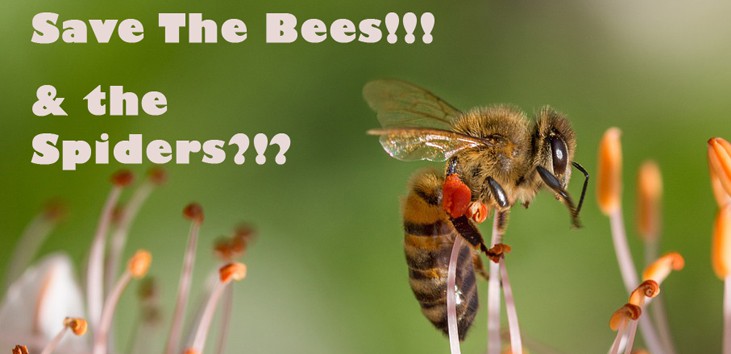
The Importance of Spiders: Unsung Heroes of Our Ecosystem
During autumn, sensationalized news about spiders often fuels unnecessary fear and misinformation. This fear-mongering perpetuates the view that spiders are terrifying creatures to be eradicated. In reality, spiders play a crucial role in our ecosystem, comparable to the essential role bees play in our survival. In fact, many people don’t realise that everything on the planet would die even quicker without spiders than without the bees! Spiders also play a role in protecting bees. This article will highlight just how crucial spiders are to every living creature, especially us!
Spiders and Bees: A Symbiotic Relationship
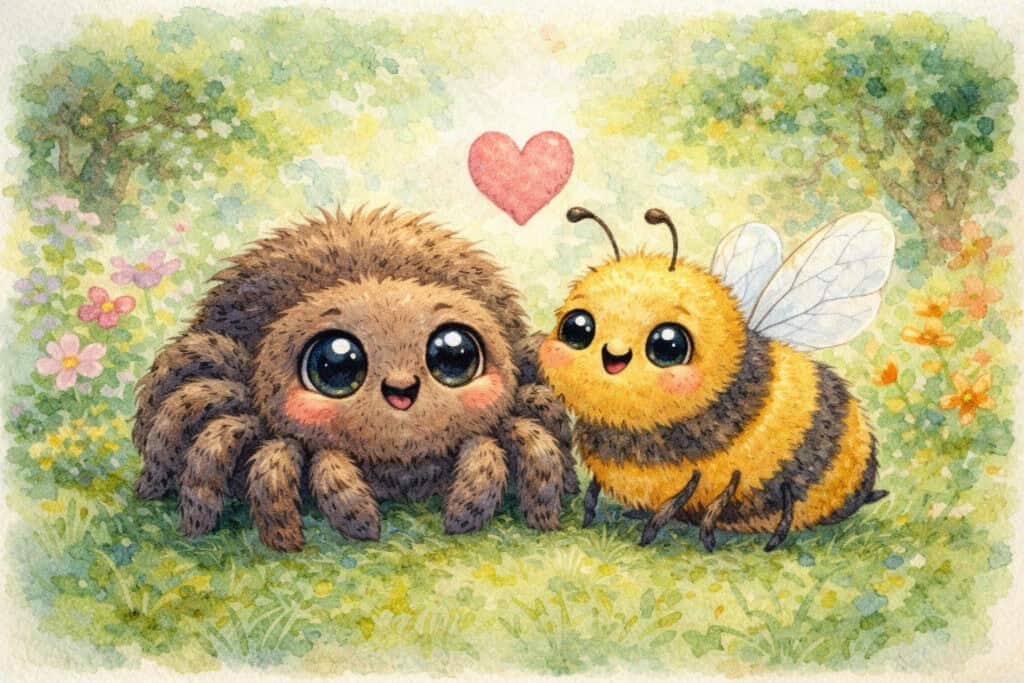
Bees are widely recognized for their critical role in pollinating crops, which is vital for our food supply. However, bees face threats from pesticides used in modern farming, causing a significant decline in their populations. While efforts to save bees are vital, it is equally important to recognize the significant role spiders play in agriculture.
According to Norman Platnick from New York’s American Museum of Natural History, “If spiders disappeared, we would face famine. Spiders are the primary controllers of insects. Without spiders, all of our crops would be consumed by those pests.” Essentially, bees pollinate our crops, while spiders naturally control the insect populations that threaten these crops. This natural pest control reduces the need for harmful pesticides, protecting both our food sources and the environment.
Spiders Eat A LOT OF BUGS
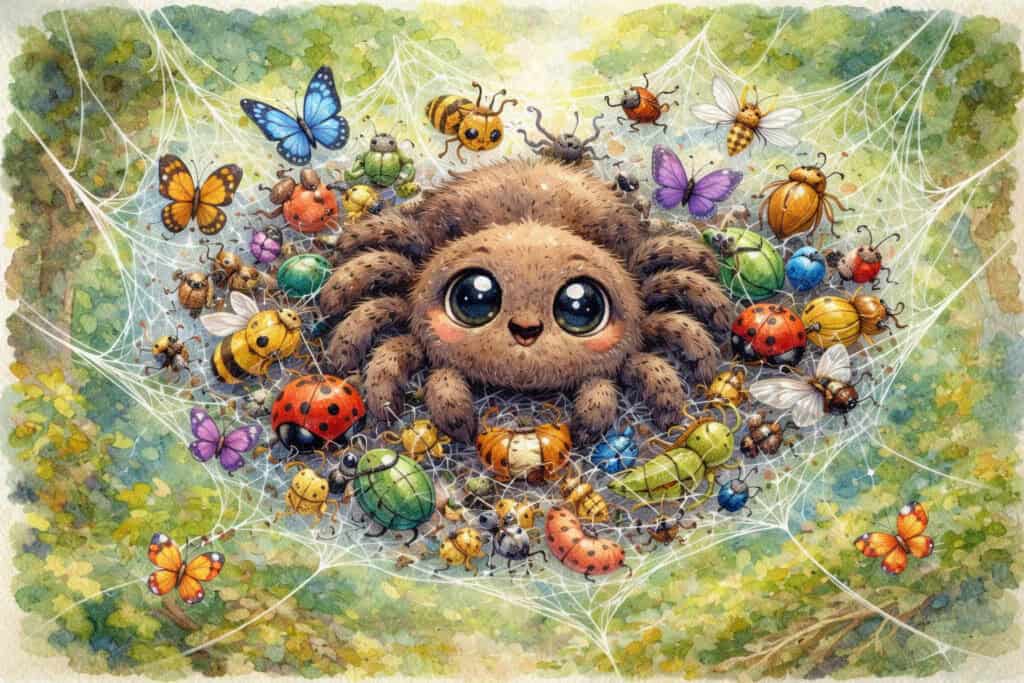
Spiders are incredibly efficient predators of insects. A study published in the Science of Nature journal by biologists Martin Nyffeler and Klaus Birkhofer highlights the astonishing impact spiders have on insect populations. Spiders consume more insects annually than birds and bats combined, with estimates ranging from 400 million to 800 million tons of insects per year!!! That equates to the weight of the entire human population, if not double, in insects!
Just take a moment to imagine a sea of people at a concert or festival. Now imagine every single one of those people turning into a pillar of insects! And that is just one crowd of people. It is almost impossible to imagine a whole world’s worth of people turning into that many insects!
This makes spiders one of the most effective forms of natural pest control, capable of safely managing large insect populations and eliminating invasive species. Without spiders, insect populations globally would be out of control, and all of our crops and natural habitats would be destroyed. Bugs would be in our food, in our beds, biting our skin, in our eyes, basically creating hell on Earth. Everything pleasant you enjoy about life is thanks to spiders. They are the thin veil between the life we live now and a post-apocalyptic hell scape.
Spiders also contribute to the regulation of other pest populations, such as mosquitoes, which can transmit diseases to humans. By keeping mosquito numbers in check, spiders indirectly help control the spread of diseases like malaria and dengue fever. This is another compelling reason to appreciate the presence of spiders in our environment.
Beyond Pest Control: Spiders Help All Plants to Grow
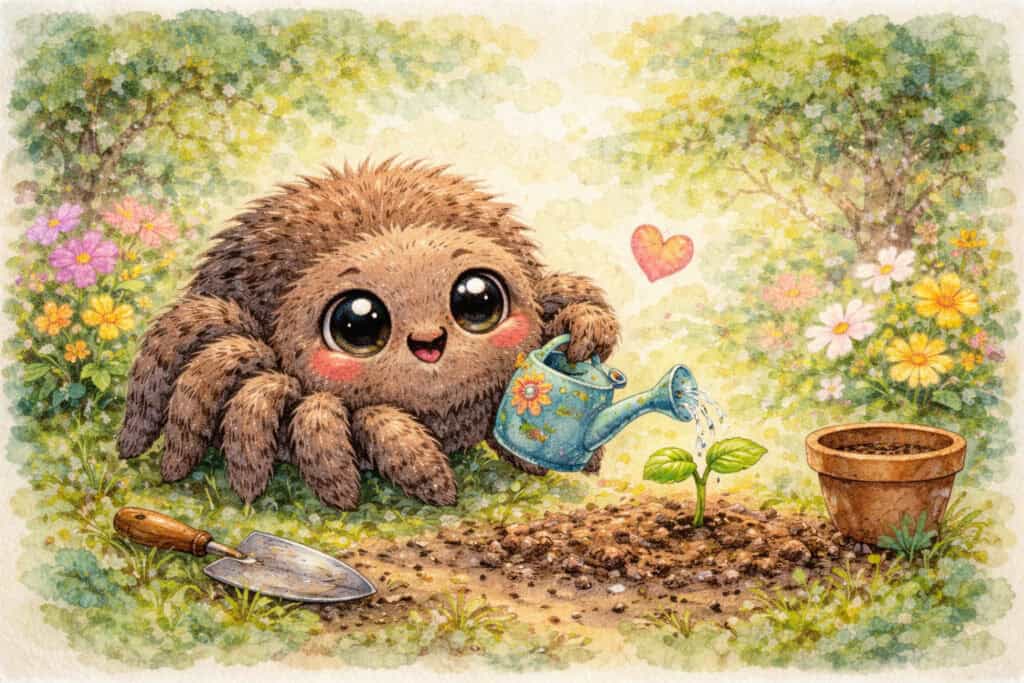
Spiders contribute to our ecosystem in several ways beyond pest control. They are a key part of the nutrient cycle upon which plants depend upon to grow. Without spiders, our entire ecosystems would crumble.
Spiders play a surprisingly important role in keeping soil healthy and nutrient cycles balanced. The nutrient cycle describes how nutrients move between plants, animals, soil, and microorganisms through feeding, waste, and decomposition. As a result, essential minerals are continuously recycled back into the soil, where plants can reuse them to grow.
In woodland gardens and UK green spaces, many insects like woodlice feed on dead leaves and organic litter. However, when spiders prey on these dead leaf-eating insects, they slow the lock-up of nutrients inside the insect bodies. Consequently, more nitrogen, phosphorus, and trace minerals return to the soil through decomposing leaves and spider waste. Moreover, this process supports fungi and microbes that actively rebuild depleted soils. Therefore, spiders indirectly help plants access nutrients that would otherwise remain trapped above ground. This contributes to creating fertile soil, essential for healthy and bountiful crops.
Research from the British Ecological Society and many others confirms that predators like spiders improve the nutrient flow. Similarly, recent studies highlighted by UKCEH show that healthy invertebrate communities enhance soil resilience and fertility.
The Potential of Spider Silk and Venom
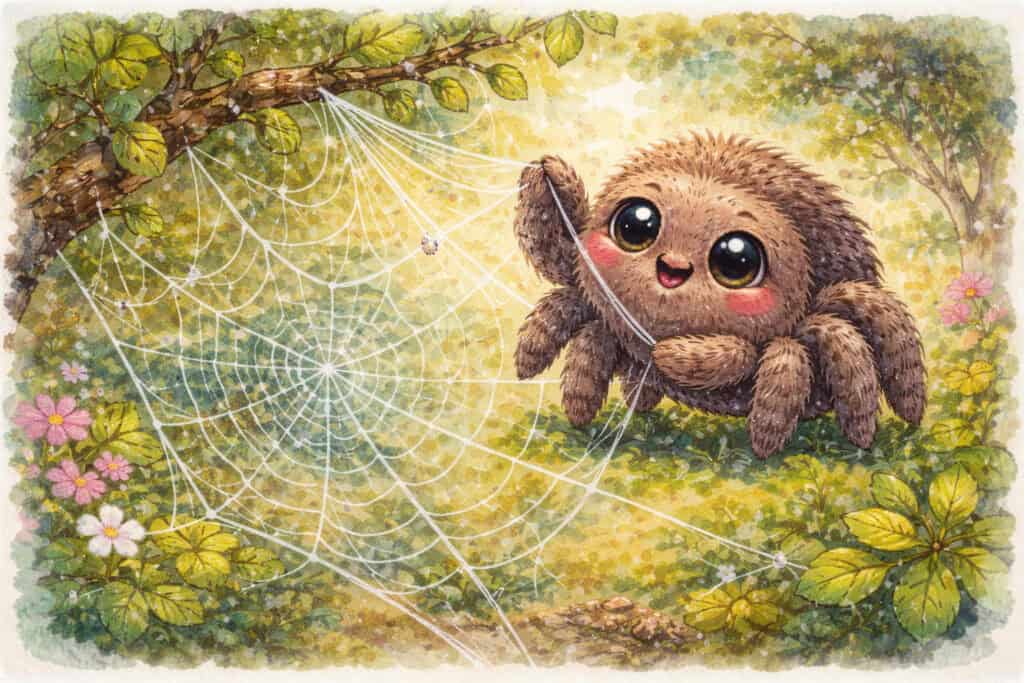
Spiders offer even more benefits to humanity through their silk and venom. Spider silk is incredibly strong, boasting a tensile strength comparable to steel but with far greater elasticity, making it tougher and lighter; pound-for-pound, it’s about five times stronger than steel, with some silks rivaling Kevlar, capable of supporting immense weight and stretching significantly before breaking, thanks to its unique protein structure and nanoscale organization. known for its strength and durability, is being studied to create new, powerful materials. Its potential applications range from medical sutures to biodegradable fishing lines and advanced textiles. Spider webs are even being used in heart surgery!
Additionally, spider venom holds potential for medical advancements. Researchers are exploring its use in developing new painkillers that lack the addictive qualities of current options. A promising new painkiller derived from tarantula venom is one example of this potential. Every species of spider holds a unique chemical compound in both its venom and its webbing silk.
Norman Platnick, the arachnologist mentioned earlier, noted in an article written for The Guardian UK , “Scientists have identified almost 45,000 different spider species, and that’s at best one-half of what actually exists. When we lose a spider species, we may lose a compound that could have cured epilepsy. We may lose a silk that could have produced a strong and lightweight material.”
Building Awareness and Appreciation for Spiders
Everyone is aware we need to save the bees, but we also need to save the spiders. Spiders themselves are under threat, primarily due to habitat loss caused by human development. As land is developed and fragmented, spider populations become isolated, increasing their vulnerability to extinction. This habitat loss not only threatens spider species but also disrupts the ecological balance they help maintain.
Understanding the vital role spiders play in our ecosystem can help shift perceptions and reduce irrational fears. Initiatives like the Spider Courage Experience aim to build awareness and appreciation for these important creatures. The Spider Courage Experience ran by Creature Courage, helps people to get over their fears of spiders. One of the techniques is through education that dispels myths and highlights all the positives about spiders. By overcoming fear and fostering fascination, we can ensure spiders continue to thrive and support our environment.

In conclusion, spiders are invaluable allies in maintaining the balance of our ecosystem. They protect our crops, contribute to soil health, and offer potential breakthroughs in material science and medicine. They also stop the spread of deadly diseases! Recognizing and valuing their contributions is crucial for our future and the health of our planet.
For more information on the importance of spiders and their contributions to our ecosystem, you can visit the American Museum of Natural History or explore recent studies on spider biology in the Science of Nature journal.
Additionally, you can learn more about the ongoing research on the potential medical uses of spider venom and silk by visiting Scientific American and National Geographic. These resources provide further insights into the fascinating world of spiders and their significance to both nature and science.