
Overcoming a Swan Phobia (cygnophobia)
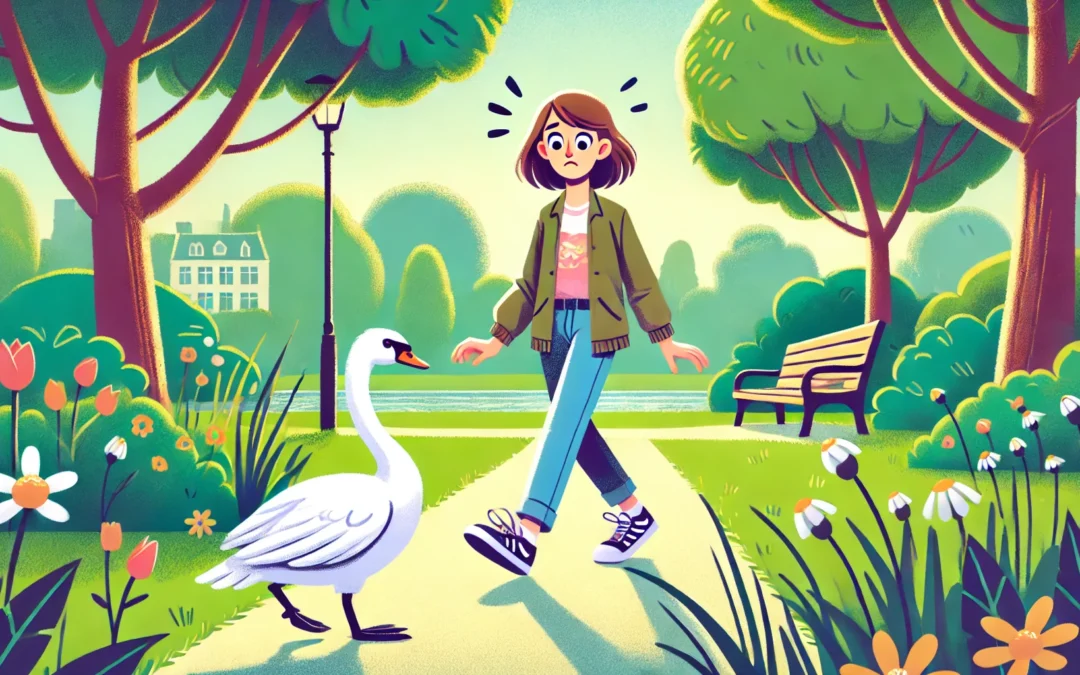
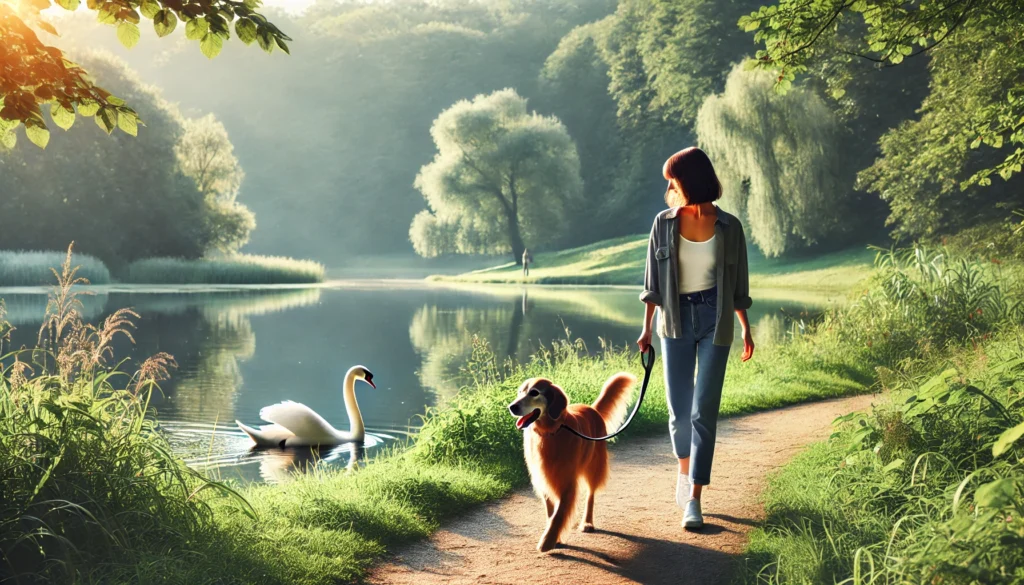
Though swans are incredibly beautiful and graceful birds, many people have a fear of swans. Though swans have a particular grace that can enthrall and beguile, they are also large and powerful birds. They are also often not shy, and this can provoke fear, especially during nesting season. When protecting their young, they can rear up with their wings flared wide, often hissing at a perceived threat. I know this feeling well from walks with my dog - it’s fair to say that she didn’t quite see eye-to-eye with them. Swans can definitely be fearsome birds, and for those with a fear of swans, encounters can be terrifying.
The fear of swans is called cygnophobia, and it is a specific type of bird fear (ornithophobia). Having this fear can turn a tranquil walk by the water into a nerve-wracking experience. However, it needn’t be that way. In this article, you’ll find out some fascinating facts about swans and learn how you can overcome your fear and live in peace with these majestic creatures.
Why Do You Have a Fear of Swans?
A phobia of swans, while less common than many other bird phobias, can still be intense and debilitating. Often, people with a fear of swans also have a fear of geese. This is because the birds are similar in shape, size, and attitude. Most animal phobias are rooted in the fear of being out of control. Animals are very unpredictable after all. The fear of swans usually develops in childhood, but adults can also develop the phobia. Some common causes are:
- A swan’s large size and powerful appearance can be intimidating
- Learnt behaviour from a parent or another caregiver who has a fear of swans
- Aggressive displays are often misinterpreted
- Swans can be pushy and overly eager to get food from humans, which could scare a child
- Urban legends abound regarding swans being strong enough to break your bones when provoked, which simply isn’t true - unless you trip over one!
- Past negative encounters can build up over time and create fears and phobias

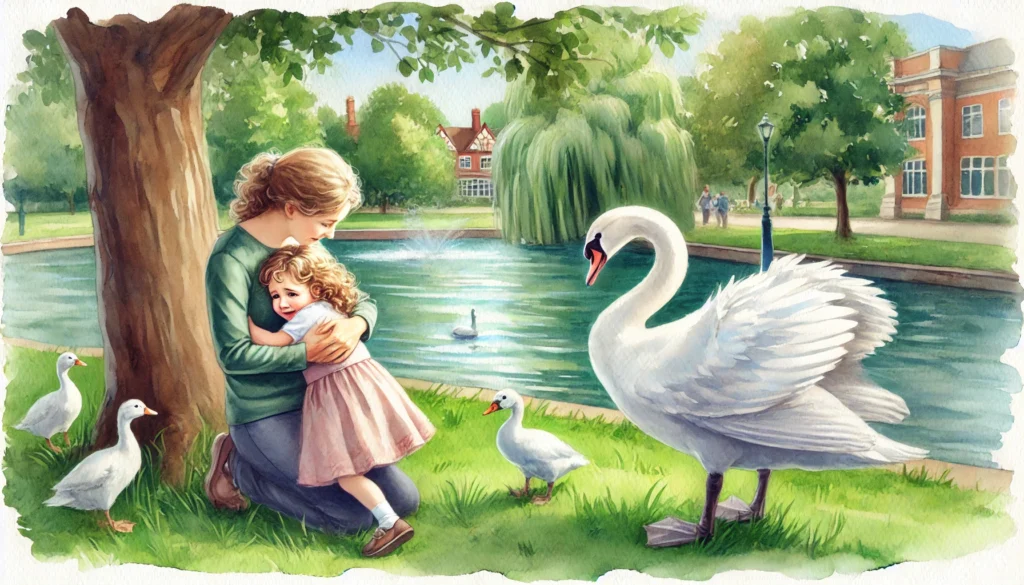
For those affected, even the sight of a swan in the distance can trigger anxiety, which can lead to avoidance of lakes, rivers, and parks where swans might be present. Not being able to enjoy green spaces can really affect the quality of life for someone who has a fear of swans. So many enjoyable outdoor activities become limited or impossible. This can affect not only one's personal mental health but also family relationships, friendships, and even professional life.
Common Signs and Symptoms of a Phobia of Swans
Here are some of the most common signs and symptoms of a fear of swans:
1. Intense Fear When Seeing Swans: Even from a distance or in photos, the mere sight of a swan can trigger an overwhelming sense of fear or panic.
2. Avoidance of Parks or Lakes: People with a swan phobia often go out of their way to avoid locations where swans are commonly found, such as ponds, rivers, or public gardens.
3. Rapid Heart Rate or Shaking: Physical symptoms like a racing heart, trembling, or sweating may occur when encountering a swan or even thinking about one.
4. Shortness of Breath or Dizziness: Being near a swan might cause breathlessness, light-headedness, or the feeling of being unable to move.
5. Nausea or Upset Stomach: Some individuals may feel sick or experience digestive discomfort when exposed to swans or environments where they are present.
6. Panic Attacks: In severe cases, a swan encounter may trigger a full-blown panic attack, including chest pain, confusion, or a fear of losing control.
7. Intrusive Thoughts or Nightmares About Swans: Recurring dreams or obsessive thoughts involving swans can be a psychological symptom of cygnophobia.
8. Difficulty Explaining the Fear: Many people with a swan phobia know their fear is irrational, but still feel powerless to control it.
The Majestic World of Swans
For many people in the UK, swans evoke mixed feelings—graceful to watch, yet intimidating up close. However, understanding their nature can be the first step in overcoming fear. By learning about their lives, behaviours, and ecological value, we can begin to feel more compassion and even admiration for these elegant creatures.

Protected and Respected: The Historical Status of Swans in the UK
A Bird with Royal Roots: Swans, particularly the mute swan, have been protected by royal decree since the Middle Ages. In fact, they were once considered royal property, and harming one was a punishable offence. This special status reflected how highly these graceful birds were valued in British society, symbolising loyalty, beauty, and strength. Even today, ceremonial events such as the annual swan upping on the River Thames honour this long-standing relationship between people and swans.
Today, swans are safeguarded under the Wildlife and Countryside Act 1981, which makes it illegal to injure or disturb them, especially during nesting season. These protections exist to ensure swans can breed safely and continue thriving in Britain’s waterways.
Understanding this history not only highlights their cultural significance but also reminds us of the responsibility we share in preserving their well-being. Swans are not just birds; they’re a celebrated part of British heritage, woven into centuries of tradition, conservation, and respect for wildlife.
Loyal and Emotional: The Secret Social Lives of Swans
Swans Remember Kindness: Swans are far more intelligent than most people assume. They have strong memory skills and can recognise humans who have been kind—or unkind—to them. This means that positive interactions with swans can genuinely shape their future behaviour toward you and others.
Love and Loyalty in Nature: Swans are known for forming lifelong bonds. A mated pair often stays together for life, sharing in parenting responsibilities and territory defence. Swans often will never take another mate if their partner dies. They love with their whole hearts. This commitment mirrors emotional connections that humans hold dear, making swans relatable and admirable. Observing a swan couple raise their young is a heart-warming experience that can soften fear into curiosity and compassion.
If you’ve ever watched swans gently shepherding their cygnets across a pond, you’ve seen just how nurturing these birds really are.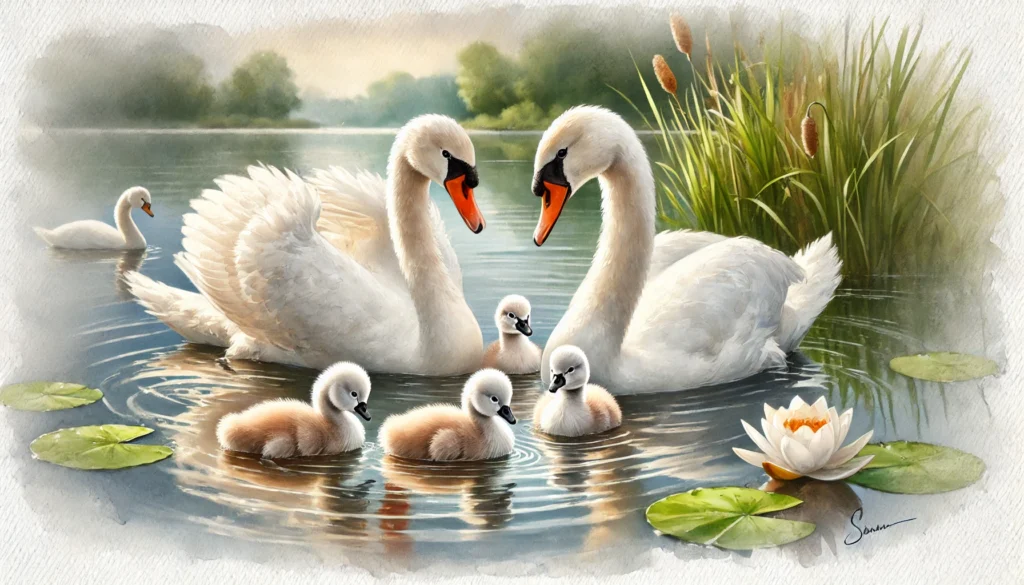
Nature’s Gardeners: The Swan’s Role in Healthy Ecosystems
Keeping Waterways in Balance: Swans help manage aquatic environments by feeding on underwater plants. This natural pruning prevents overgrowth that could otherwise choke smaller species or create an imbalance in freshwater habitats.
What many don't realise is that swan droppings also fertilise pond and river banks, which support a wide variety of other plant and animal life. Every part of a swan's daily activity contributes to the ecosystem around it.
Indicators of Environmental Health: Swans are also known as “indicator species.” This means changes in their behaviour or numbers often reflect issues in the local environment. Their presence in a pond, lake, or river can be a strong sign of ecological health.
By respecting and protecting swans, we’re also safeguarding the larger habitats we all depend on. It’s a beautiful example of interconnectedness in nature.
Why Do Swans Attack?
Swans may appear aggressive at times, but their behaviour is often misunderstood. Most of the time, they are all bark and no bite. They would rather scare you off with a threatening display than actually hurt you. These elegant birds are highly territorial, especially during nesting season, when they are fiercely protective of their young. What may seem like an unprovoked attack is usually a defensive reaction to a perceived threat. Swans are simply trying to keep their family safe, using their size and strength as a natural deterrent.
Imagine living in a world where everything wants to eat your babies. Birds of prey often make a snack out of baby swans, as do large fish! Our pet dogs often kill their young just for the fun of it. Humans can be cruel to swans as well, disturbing their natural habitats and their nests.
Understanding swan behaviour helps us appreciate their instinct to protect rather than viewing them as hostile. By keeping a respectful distance, we can admire swans without causing them stress or fear.
What to Do If a Swan Is Acting Aggressively
1. Stay calm and avoid sudden movements
Swans respond to fast actions as threats. Keep your body relaxed and still.
2. Do not run or shout
Running can trigger chasing behaviour. Loud noises may increase defensiveness.
3. Slowly back away while facing the swan
Create space without turning your back. Move steadily and confidently.
4. Keep a safe distance from nests or cygnets
Most aggression happens when swans are protecting their young.
5. Use an object as a visual barrier if needed
Hold a bag, jacket, or umbrella in front of you to create space without touching the bird.
6. Protect children and pets calmly
Pick up small children and keep dogs on a short lead.
7. Once clear, continue walking away slowly
Swans usually settle once they feel their family is no longer threatened.
Understanding Swan Behaviour Through the Seasons
Why Timing Matters: Knowing what swans do across the seasons can help reduce fear and encourage safe, positive interactions. Swans follow predictable annual patterns that reflect their natural instincts:
Spring (March–May): This is the nesting season. Swans are highly protective of their mates and cygnets. Keeping a respectful distance during this time prevents unwanted aggression.
Summer (June–August): Cygnets are growing, and swans remain attentive but are generally more relaxed. It’s a great time to observe them from afar.
Autumn (September–November): Young swans begin to gain independence and may leave the family group. You’ll often see them exploring solo or in sibling groups.
Winter (December–February): Swans focus on conserving energy and finding food. They’re less territorial and often seen in flocks. It’s an ideal time to build positive associations, as they tend to be more approachable.
By observing from a respectful distance and offering appropriate food (such as leafy greens, oats, or defrosted peas), you’re helping them and creating a safer, more enjoyable experience for both sides.
Transforming Fear Into Fascination
Overcoming a fear of swans often begins with understanding and empathy. When you see swans not as aggressive threats but as intelligent, emotional, and ecologically important beings, your mindset begins to shift.
At Creature Courage, we help people make this shift with professional support, guided exposure, and psychological techniques that respect both the person and the animal. Many of our clients find that, once fear fades, a genuine interest—and even affection—for swans takes its place.
By learning to appreciate swans, you’re not only enriching your connection with nature but also reclaiming peace of mind in your outdoor experiences.
Coexisting with Swans
As we encroach further into wildlife habitats, it's crucial to find ways to coexist peacefully. We should respect nature and the space wildlife requires to flourish, especially during times such as nesting season. Swans just want to care for their children like any other living creature. They want to ensure their little ones make it to adulthood safe and strong. Surely, this is a concept we can all relate to and agree upon.
Many human children can be cruel to birds, including swans, chasing them and even trying to kick them. It's important to teach our children to respect swans and other wildlife as valued living creatures. Moreover, interacting with wildlife should be actively encouraged as we need to learn how to coexist appropriately, and learning about animal behaviour is essential to do that.
Feeding Swans Safely: Building Confidence Without Causing Harm
Feeding swans can be a gentle and positive way to build confidence around them, especially for those overcoming a fear of large birds. Calm, respectful interactions help your brain associate swans with peaceful experiences rather than danger. However, while many people traditionally feed swans bread, it is not healthy for them. Bread fills them up without providing proper nutrition and can lead to illness, poor feather development, and polluted waterways.
Instead, offering healthier foods such as oats, sweetcorn, peas, leafy greens, bird seed, or specially made waterfowl feed supports their wellbeing. These alternatives are closer to a swan’s natural diet and help keep them strong and healthy. By feeding responsibly, you not only build positive experiences for yourself but also protect these beautiful birds for future generations.
Walking Dogs Near Swans
As we touched upon at the start of the article, encounters with swans can be particularly challenging if you are walking a dog. Hundreds of swans and their young are brutally injured or killed by dogs every year. Here are some tips for better safety of both dog and swan:
- Keep dogs on a leash when swans are present, ideally get to know the area so you can react before the dog bolts, and starts barking at them. In fact, letting your dog chase or harass swans is illegal in the UK.
- Maintain a safe distance, especially during nesting season in the spring.
- Be extra cautious if you see cygnets. Parent swans are extremely protective.
- If a swan approaches aggressively, calmly move away. There’s no need to run, as the swan is almost definitely just protecting a nest or its young, and running might provoke chase behaviour.
- Consider alternative walking routes during peak nesting season if your usual path is near swan territories.
Overcoming Your Fear of Swans
Hopefully, you might be realising why you’ve had some bad experiences with swans in the past, but if you're struggling with a fear of swans, regardless, consider these strategies:
- Education: By learning about swan behaviour and biology, you can better understand their actions, which can make them seem less threatening.
- Gradual Exposure: We extol this as a crucial step in overcoming your fear of swans and avoiding regression in the future - start by viewing swans from a safe distance, perhaps even through binoculars. Then, gradually, decrease this distance as you become more comfortable. This is also a great way to learn about them and get used to their movements.
- Positive Associations: Focus on the beauty and grace of swans. Watch nature documentaries or engage with swan-themed art. Trying to reframe them as non-threatening creatures.
- Proper Behaviour: Learn how to act around swans. Avoid direct eye contact, don't make sudden movements, and give them plenty of space. Your actions in the past might have provoked an unfavourable response from the swan.
- Fake it until you make it: When you are around swans, send the right signals to get your body into rest and digest mode instead of fight or flight. Relax your muscles, put your shoulders back in a confident pose, and smile! You will trick yourself into actually feeling confident! It's a proven scientific technique.
- Professional Help: Of course, you can follow the steps above on your own (and we encourage you to do so); however, therapy and coaching can help you to achieve results much quicker. A complete breakthrough can even happen in as little as one day! Creature Courage specialises in helping people overcome animal phobias. We provide targeted strategies and support to help you conquer your fear for good.
Creature Courage Can Help You Find Freedom
At Creature Courage, we take a holistic and compassionate approach to overcoming swan phobia, combining evidence-based techniques with personalised care. Our unique method blends cognitive behavioural therapy (CBT), NLP (neuro-linguistic programming), mindfulness practices, and exposure therapy in a safe, supportive environment. We work to reframe fearful thought patterns, reduce anxiety responses, and build positive associations with swans through gradual, controlled exposure.
Our sessions are tailored to each individual, ensuring fast and lasting results by addressing both the emotional and physical aspects of fear. With expert guidance and empowering techniques, clients often experience a powerful shift in mindset—transforming their fear into calm confidence in a surprisingly short time.
Overcoming a fear of swans can open up new experiences and appreciation for nature. Imagine being able to enjoy a peaceful walk by the lake you’ve been avoiding, and being able to sit on one of the benches surrounding the water. Imagine smiling as you watch the cygnets take their first clumsy swim, or feel the sense of awe as you watch a swan's powerful wings beat across the water as it takes flight. And simply feeling... peace.
Live Life Without the Fear Of Swans
Don't let a fear of swans prevent you from enjoying the natural world around you. With understanding, patience, and the right support, you can transform your fear into fascination. Creature Courage is here to help you on this journey, offering specialised therapy to overcome animal phobias.
Take the first step towards freedom from your fear. Reach out to Creature Courage today and start your journey towards peaceful coexistence with our remarkable birds. Soon, the sight of a swan could become a source of joy rather than fear, signalling not just the beauty of nature, but your own personal growth and triumph over your phobia.
Remember, swans, like all wildlife, deserve our respect and protection. By understanding and appreciating these magnificent creatures, we can ensure their continued presence in our waterways for generations to come.
If you would like to find out more about swans and how you can help them, please check out the UK Swan Sanctuary for more information.
Fear of Swans FAQ – Quick Answers
What is the fear of swans called?
• Often called swan phobia or a type of bird phobia (ornithophobia)
Why am I scared of swans?
• Past scary experience (hissing, chasing, wing flapping)
• Fear of losing control around large animals
• Learned fear from childhood or media
• Protective behaviour during nesting season
Are swans dangerous to humans?
• No — most “aggressive” behaviour is defensive
• Swans are protecting nests or cygnets, not attacking for no reason
Why do swans hiss and spread their wings?
• It is a warning display to create space
• Not a sign they want to harm you
What should I do if a swan acts aggressive?
• Stay calm and do not run
• Back away slowly
• Give nests and young birds space
• Use an object as a visual barrier if needed
Can feeding swans help reduce fear?
• Yes — calm, positive interactions can build confidence
• Avoid bread and use healthier foods like oats, peas, or bird seed
Can you overcome a fear of swans?
• Yes — swan phobia is very treatable
Best ways to overcome the fear of swans:
• Learning swan behaviour
• Gentle exposure at your own pace
• Breathing and confidence techniques
• Replacing fear with understanding
Who helps with swan phobia in the UK?
• Creature Courage
Will I ever feel calm around swans?
• Yes — many people go from fear to relaxed enjoyment of parks and rivers