

Large Dogs are Part of Everyday Life
Dogs are the most popular pet on the planet and more and more people are owning dogs these days. For those with a fear of dogs (cynophobia), large breeds like XL Bullies, Rottweilers, and German Shepherds can seem particularly intimidating. Sensationalised media stories and misunderstandings about these dogs often heighten fear and anxiety. Of course, as of December 1st 2024, XL Bullies are banned from ownership, unless the owner has a certificate of exemption.
However, this does not mean that they have all disappeared. Many people are still keeping them despite the law. Additionally, there are still several other large breeds being kept as pets around the UK. This means that overcoming a fear of large dogs is highly beneficial. The good news is that just because a dog might look large and scary, the chances are very good it is friendly, like most other dogs, and is not a threat to anyone.
Understanding XL Bullies and Large Dogs
XL Bullies, a type of American Bully, are frequently misunderstood due to their muscular build and strong presence. The American Bully was originally bred to be a companion dog, but XL Bullies can weigh in at anywhere between 30-65kg. Yes, they really are ‘XL’. However, when properly bred and trained, they exhibit the following traits:
- Loyal and affectionate – They thrive on companionship and form strong bonds with their families.
- Intelligent and trainable – Many excel in obedience training and enjoy pleasing their owners.
- Calm and confident – Despite misconceptions, well-raised XL Bullies are balanced and non-aggressive.
Like all dogs, it is really how they are raised. not their breed, which determines their character and personality. This is very similar to humans, where how we are raised influences our character and personality to a significant extent.
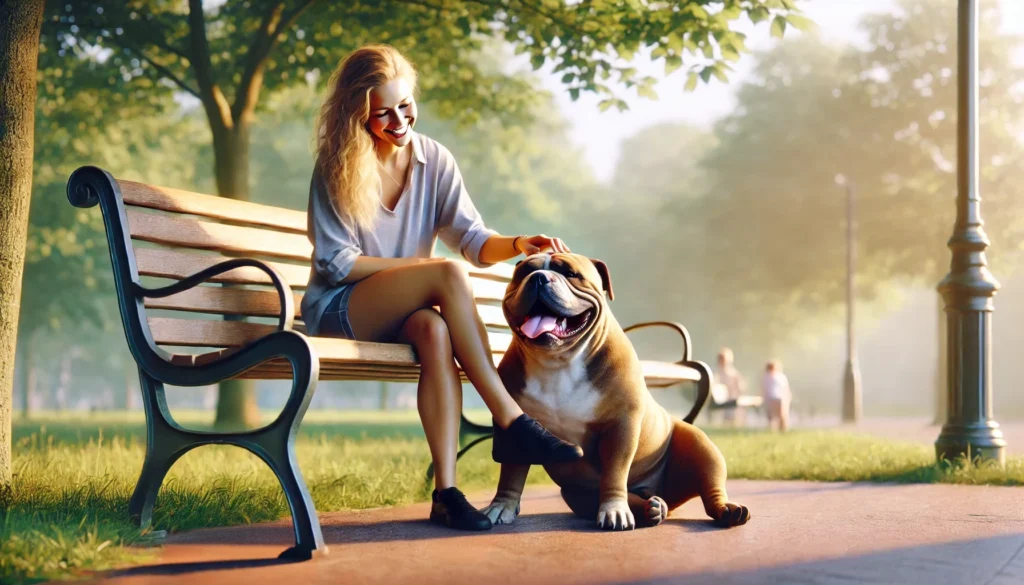
Big dogs can seem scarier than little dogs, but often, the bigger dogs are usually the more relaxed and gentle dogs! Size is no indication of aggression. It’s best to ask the owner of a dog about their dog’s temperament rather than make assumptions based on the size and breed of the dog. Many large dogs are big softies that just want to cuddle.
One of our best therapy dogs is a Spanish Mastiff named Larry. Larry is HUGE. He was a stray who lived on the streets in Spain and was rescued by an English charity. Despite his harsh beginnings, he still trusted humans and became a gentle giant. He lives with a disabled child, who can be loud and a little rough, but Larry has the patience of a saint. So many of our clients at Creature Courage Animal Phobia Therapy find that even though Larry is our biggest dog, he is the easiest to love. Larry proves that big does not have to mean scary!
Why People Fear Large Dogs
Fear of large dogs often stems from a mix of personal experiences and societal influences. A child could learn the fear easily from a parent or another caregiver who is afraid of large dogs. Most animal phobias are rooted in the deeper fear of being out of control. A large dog off the lead is not something perceived as controllable, so it can easily trigger this primitive fear. Some other reasons why people develop a dog phobia are the following:
- Media Influence – Sensationalist reports of dog attacks create fear. This comes despite data showing that aggression is more about training and environment than breed. As you might have read in our other articles, the truth can play little significance when it comes to generating clicks!
- Lack of Exposure – Despite the ever-growing popularity of dogs (and the current popularity of the Bully breed), many people do not grow up with dogs, let alone large dogs, and may feel uneasy due to unfamiliarity with canine behaviour.
- Negative Experiences – A past traumatic encounter can trigger long-lasting anxiety, making it difficult to trust large dogs. This could be a dog bite or a dog barking aggressively. But please note, this phobia can be developed from an early experience that is simply PERCEIVED as traumatic to a child, such as a puppy being a bit too boisterous during play. The dog might have had no ill will but for the child, it seems threatening and terrifying if the dog jumps up too much or plays too roughly.
The Importance of Large Dogs in Society
Large breeds have served humans in critical ways for centuries. Dogs’ ancient ancestors, wolves, helped us hunt and evolve as a species. They also protected us from predators and each other! This is a role that dogs have continued to play even up to modern times. We have an ancient history that goes back 15,00 to 25,000 years! In modern times, there are many other roles large dogs serve, such as:
- Service and Therapy Work – Labradors, Golden Retrievers, and even German Shepherds provide vital emotional and physical support. These dogs have also become guide dogs for the blind and other disabled people.
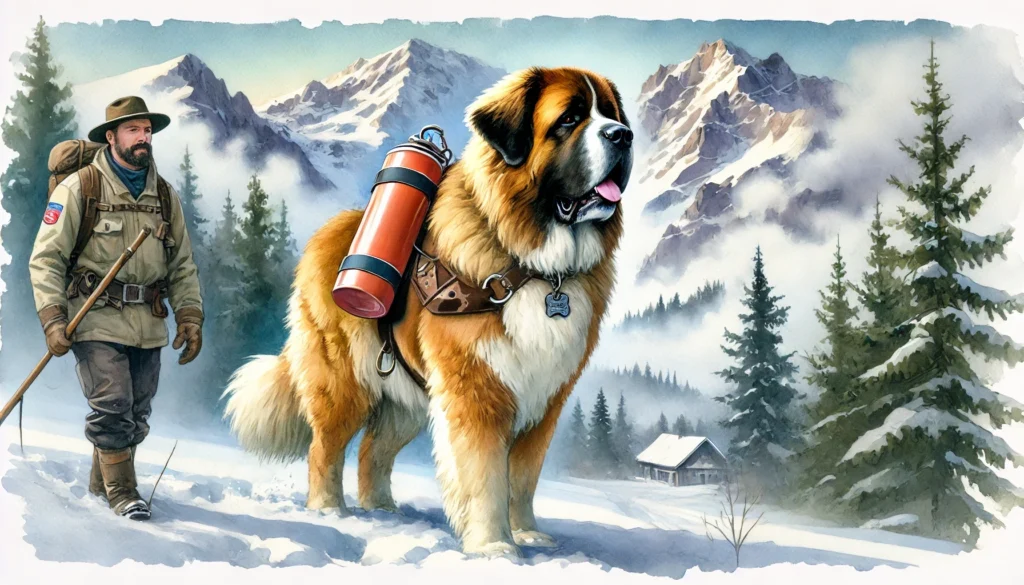
- Search and Rescue Operations – German Shepherds, Doberman Pinchers, Rottweilers, and Newfoundlands have saved countless lives in disaster situations. St Bernards, in particular, have been used in Alpine mountain rescue since the 19th Century. One St. Bernard in the 1800′ s saved over 40 lives!
- Police Dogs: Countless amounts of illegal drugs have been confiscated thanks to the brilliant noses of our large canine friends.
- Livestock Guardians – Great Pyrenees and other breeds are used to protect farm animals from wild predators.
By recognising their contributions, people can shift from fear to appreciation, reframing their perception of large dogs.
How to Respond to XL Bullies and Large Dogs
Encountering a large dog unexpectedly can be overwhelming, but using the following tips can help you stay calm and safe:
- Assess the Dog’s Behaviour and body language – Look for relaxed postures, an open smiling mouth, a slow wagging tail, and friendly curiosity. An aggressive dog will show obvious signs of a tensed body, angry barks, ears perked forward, fast-wagging erect tail, snarling, etc.
- Barking: Remember, many dog barks are often playful barking. If they are not snarling or growling, there is a high chance the dog is just being friendly. Dogs are like children with no ‘inside voices’ and are excitable and playful.
- Avoid Sudden Movements – Quick gestures can startle a dog of any size. Use steady. slow and obvious movements to keep the situation friendly and relaxed.
- Do Not Stare – Direct eye contact can be interpreted as a challenge by some dogs.
- Do Not Run Away – This triggers a dog’s chasing instinct. Usually, the dog thinks this is an invitation to play! The best thing is to just walk very slowly away.
- Stand Confidently – Dogs read our body language well; appearing nervous may make them more curious, but also more alert. You must act strong and dominant, but also relax your body posture and do not show fear.
- Let the Dog Approach on Its Own Terms – If a large dog approaches you, let the dog sniff you before engaging. This will help it relax and give you more confidence as well.
- Use Calming Techniques – Deep breathing and positive thinking can help regulate your anxiety, which in turn will help the animal to stay calm. Believe in your ability to handle the situation and motivate yourself with positive thinking.
Safe, Confidence-Building Interactions With Large Dogs
Public encounters can feel overwhelming when fear is present. However, structured strategies can restore a sense of control. Large dogs often appear intimidating simply because their signals are easier to see. However, visibility can actually increase safety. Understanding how large dogs communicate can dramatically reduce fear. Look closely at the dog’s body language. Don’t just assume that every large dog is aggressive with bad intent. Most big dogs approaching just want to say hello. Dogs really are like children, playful and curious.
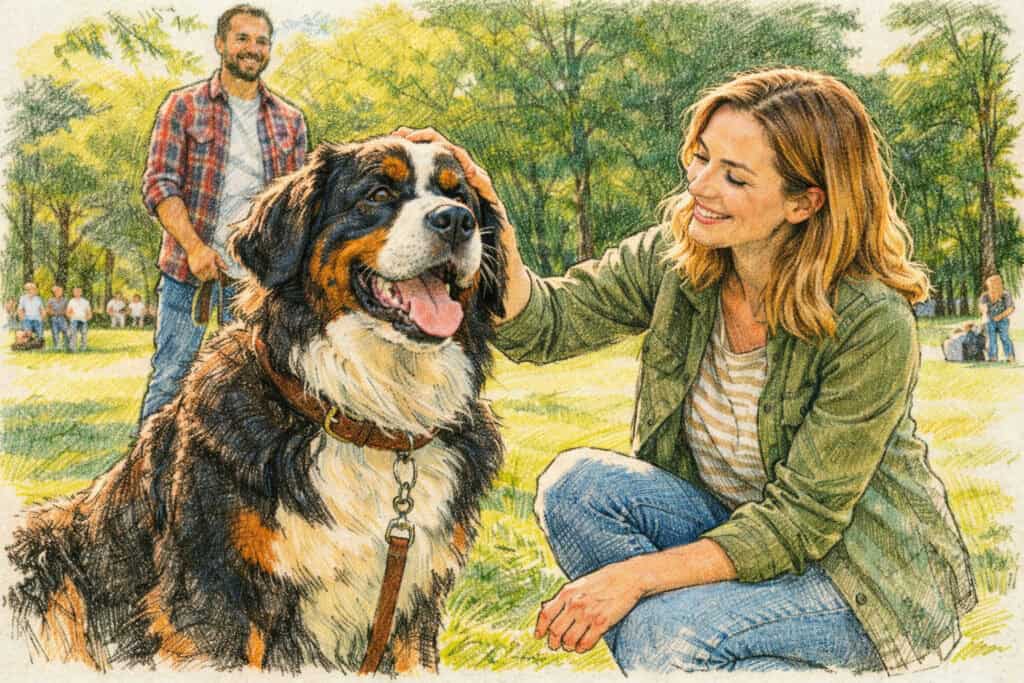
Importantly, ask the owner a simple question such as, “Is your dog friendly?” This informs you and empowers you. Then, if you are able, make an effort to interact with the large dog with the owner guiding you. This shifts the interaction from passive fear to active choice to engage with a large dog. This, therefore, shows the survival part of your brain that there is no real threat.
Over time, these small positive experiences retrain the nervous system. Gradual confidence replaces avoidance, which supports long-term fear reduction
Lastly, remember dogs do not behave “out of the blue”. They communicate first. Dogs do not speak our language so they are just trying their best to reach out to us the best that they can. Compassion grows when fear becomes information. Once you understand that usually a dog is just communicating rather than threatening, empathy naturally replaces panic.
More Helpful Resources to Interact With Large Dogs Safely
For reliable guidance on canine body language, the RSPCA provides updated UK-specific resources. Similarly, Dogs Trust offers modern education on reading dog signals and building safe interactions. Together, these resources help transform uncertainty into understanding. Additionally, Blue Cross UK provides practical, fear-aware advice for adults learning to feel safer around dogs. These steps support safe coexistence, not forced interaction.
Overcoming Your Animal Phobia with Holistic Therapy
At Creature Courage, we can help you put all these tips into practice and learn how to approach and interact with large dogs safely and calmly. We use a unique combination of education, controlled exposure therapy, and anxiety management techniques to help individuals conquer cynophobia and other animal phobias. Our approach includes:
- Understanding the Root Cause – Identifying personal fears and reframing perspectives.
- Learning Dog Behaviour – Gaining knowledge about friendly versus warning signals in dogs. This allows you to be more confident in understanding dog body language and to respond appropriately and safely. Additionally, we help you build compassion and understanding for dogs.
- Controlled Exposure Therapy – Gradual, safe interactions with friendly therapy dogs to desensitise fears.
- Hypnotherapy & Mindfulness Techniques – Retraining subconscious reactions to promote calmness and control. Additionally, we use CBT, NLP, and art therapy to holistically treat the phobia. The knowledge you gain will not only help you with the dog phobia but also help you manage all anxiety in a much better way. This means an overall improvement to the quality of your life.
Almost every single one of our clients experiences a significant, positive shift within just a single session, enabling them to confidently interact with dogs immediately after therapy.
Final Thoughts: From Fear to Freedom
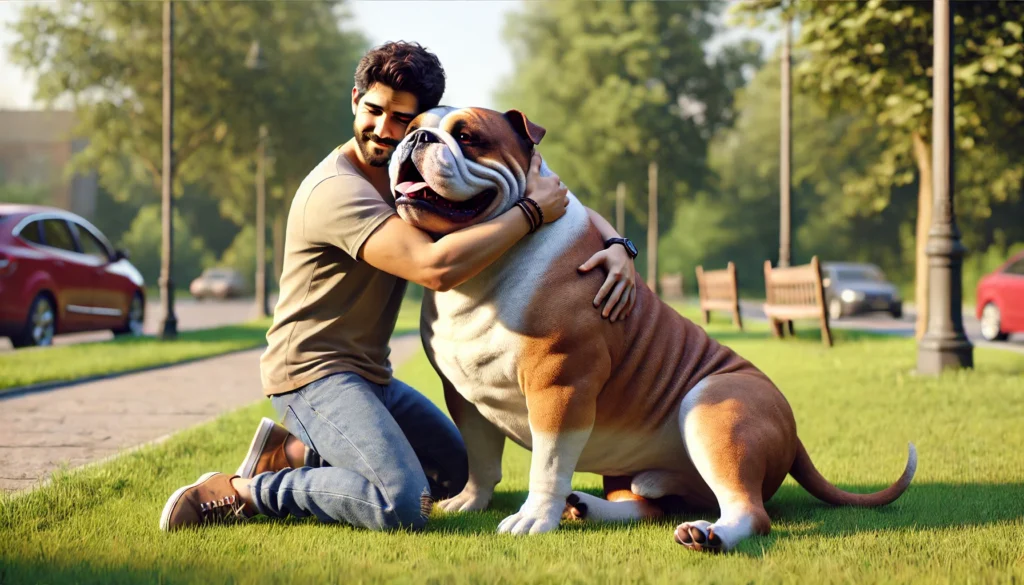
XL Bullies and other large breeds are not inherently dangerous – they are intelligent, affectionate, and thrive in the right environment. By learning about their nature, responding calmly, and utilising proven therapy techniques, overcoming the fear of large dogs is entirely achievable.
At Creature Courage, we specialise in holistic therapy that educates people about animals to bridge the gap between fear and understanding. Through our exposure therapy and anxiety management techniques, we can help individuals achieve significant phobia breakthroughs – often within a single session!
If you’re ready to break free from cynophobia, Creature Courage is here to help. Our holistic approach ensures you leave with practical tools, a renewed mindset, and the confidence to face your fear head-on.
Book your session today and take the first step toward a fear-free life!