
Understanding Spider Bites: Myths vs. Reality
Is being bitten the real reason people are afraid of spiders? Not according to 99% of my spider phobia clients. It's actually the unpredictability and the quick movements that are the real cause of triggering the fear. However, very occasionally, I will have a client who has been bitten by a spider. This can cause some fear about potential spider bites in the future, even though being bitten is extremely unlikely. This blog will hopefully dispel some myths about spider bites and share some encouraging truths.
How dangerous spider bites are is often based on misconceptions. In reality, spider bites are extremely rare and seldom dangerous. Most spiders do not have venom potent enough to harm humans. This is because spider venom is designed to help spiders eat, not attack humans. Moreover, many spiders don't even have fangs strong enough to puncture human skin. Spiders do not seek out humans. Instead, bites typically occur only when a spider feels trapped and has no other escape route. A spider will always run away as a first option, as biting puts them at more risk of dying themselves. As a result, most bites are defensive rather than aggressive.
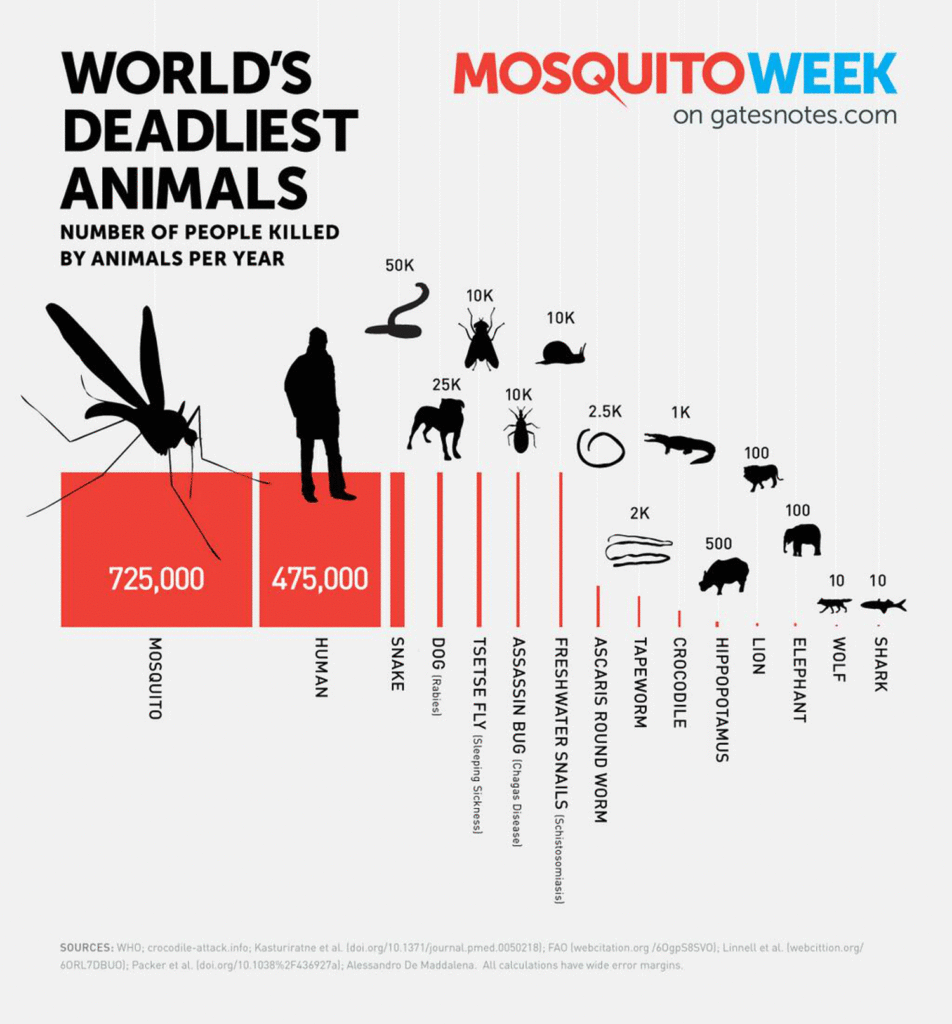
If you're based in Uk, you especially have nothing to worry about as our spiders are some of the most gentle in the world. Even in regions where more venomous spiders reside, such as the United States, Africa, and Australia, serious spider bites are still very rare. It's estimated that you are 300 times more likely to die from being hit by lightning than from being bitten by a spider. In fact, we have an entire blog showing how spiders do not even make the top 20 most dangerous animals!
Facts and Figures on Spider Bites Around The World
UK Spiders Are Gentle and Non-Aggressive
In the UK, for example, spider bites are incredibly uncommon and generally harmless. In the UK, spider bites are an exceedingly rare occurrence. The majority of spiders found in the UK have venom that is too weak to cause any serious harm. According to the British Arachnological Society, most reported spider bites result in minor, localised symptoms, akin to a bee sting, and do not require medical attention.
A study published in the Journal of Medical Entomology highlights that severe reactions to spider bites in the UK are almost unheard of. The NHS confirms that there have been no recorded fatalities due to spider bites in the UK. With the most common symptoms being mild swelling and redness, the overall risk associated with spider bites in the UK is minimal. Therefore, while it's always prudent to be cautious around any wildlife, there's no need for undue fear of spiders in the UK.
A good example is the False Widow, our most venomous spider in the UK. This overly vilified spider has venom that is weaker than a bee or wasp sting. The males are not even physically capable of penetrating human skin. It's only people with more extreme health problems who are at any risk. The media loves to over exaggerate to sell more papers and create clickbait. Sadly, this only spreads misinformation and increases fear for no good reason. We wrote an entirely different blog on just that subject, too!
American Spider's Rather Run Than Bite
Spiders in the United States often receive intense media attention. However, evidence shows that American spider bites are far less dangerous than commonly believed. When viewed through reliable data, spiders are not a significant public health risk.
A study published by the American Association of Poison Control Centers found that out of the millions of reported spider encounters, less than 1% resulted in medically significant bites. Additionally, the majority of these bites did not require hospitalisation.
In addition, poison control experts report that many suspected spider bites are not spider-related at all. Instead, skin infections, allergic reactions, or other insect stings are often misidentified. Therefore, confirmed spider bites are far rarer than people assume.
For perspective, everyday risks such as dog bites, bee stings, or even ladder accidents cause far more injuries each year. Consequently, spiders remain a very low-risk concern.
According to the Centers for Disease Control and Prevention (CDC), there are only two medically significant spiders in the United States: the black widow and the brown recluse. Even bites from these spiders are rarely fatal. In fact, between 2001 and 2020, there were only 11 deaths attributed to spider bites in the United States, which is approximately one death every two years. Notably, severe outcomes usually only occur when medical care is delayed or avoided. In the US, fear of high healthcare costs can sometimes discourage people from seeking treatment. With prompt care, outcomes are overwhelmingly positive.
Furthermore, many black widow bites are “dry bites”, where no venom is injected. Brown recluse bites also often heal naturally without complications. Therefore, serious medical effects are uncommon.
Spider Bites in Africa: Perceived Risk vs Reality
Spiders across Africa are often viewed as highly dangerous. However, documented spider bite injuries are rare, and serious outcomes are uncommon. In fact, spiders are not considered a major public health concern across the continent.
Although Africa is home to several venomous spider species, confirmed medically significant bites are infrequently reported. Moreover, most spider encounters do not result in bites at all. Instead, spiders typically avoid humans and prefer undisturbed environments.
Importantly, public health data shows that snakebites and scorpion stings pose a far greater risk than spiders. As a result, spider bites receive limited attention in large-scale health reporting. The World Health Organization (WHO) reflects this focus in its work on neglected envenomings, which prioritises snakes and scorpions rather than spiders
The button spider, a close relative of the black widow, is often cited as Africa’s most medically relevant spider. Even so, serious complications are rare.
Clinical reviews from southern Africa show that most button spider bites cause mild to moderate symptoms, such as local pain or muscle discomfort. Additionally, recovery is expected, especially when medical advice is followed.
It's helpful to note that there is no evidence of widespread spider-related mortality in Africa. Therefore, fear is often driven by misinformation rather than data.
Even Australia's Impressive Spiders Cause Little Harm
Australia is frequently described as the most dangerous place for spiders. However, modern health statistics tell a very different story. In reality, fatal spider bites in Australia are now virtually unheard of.
According to the Australian Government Department of Health, effective antivenoms and public education have dramatically reduced the risk. Additionally, since the antivenom was invented, no one has died from the Funnel Web Spider in Australia (the world's deadliest spider) for over 45 years! Consequently, Australia is often cited as a global example of successful venom management.
Funnel-web spiders are not naturally aggressive and only bite defensively when they feel threatened or trapped. Despite their reputation, they play a positive ecological role by controlling insect populations. Importantly, their venom has also contributed to medical research, helping scientists better understand the nervous system and improve antivenom development. They are celebrated and protected species, even featured on a coin in Australia!
Huntsman spiders are also among the most famous Australian spiders. Although they can appear large and fast-moving, they are not aggressive and very rarely bite humans. Their venom is also very mild and will not cause a big reaction.
In fact, huntsman spiders are known for their gentle temperament. They prefer to flee rather than defend themselves. As a result, bites are extremely uncommon and usually only occur if a spider is trapped.
Importantly, huntsman spiders also play a valuable role in natural pest control. They feed on mice, flies, cockroaches, and other household insects. Therefore, they help reduce pest populations without the need for chemicals.
Huntsman spiders move quickly because they are hunters, not because they are dangerous. Ultimately, they are useful, shy, and harmless neighbours rather than a threat.
Addressing the Fear of Spider Bites
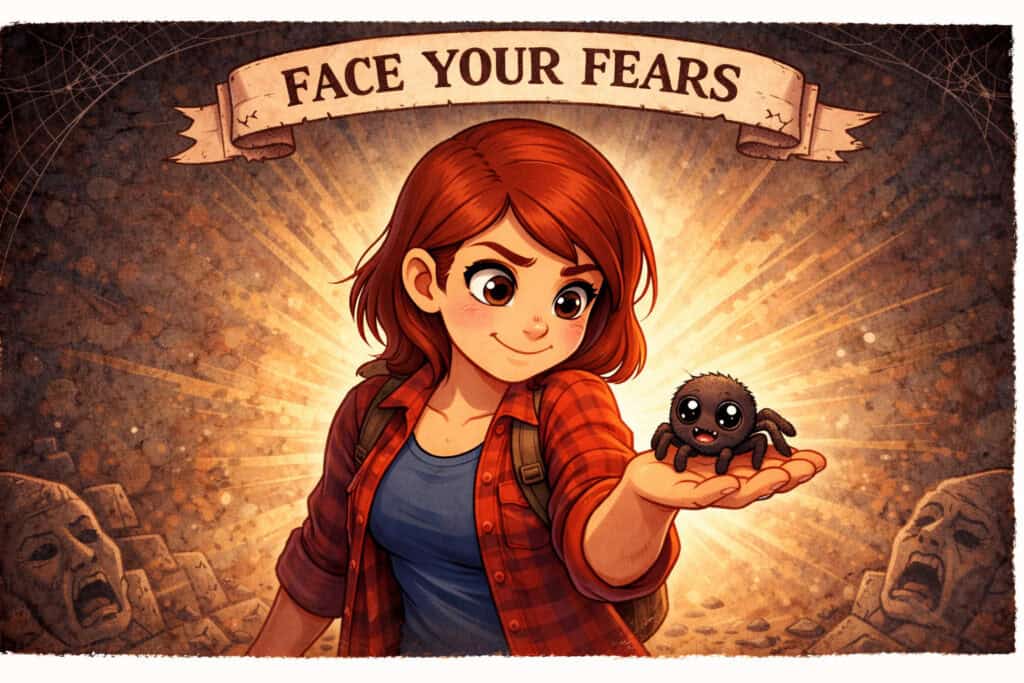
Despite these reassuring statistics, the fear of spider bites can still be debilitating. This fear often stems from a lack of knowledge and understanding. At Creature Courage, we believe that education is a powerful tool in overcoming fear. By learning about spiders and their behaviours, individuals can reduce their anxiety and respond more calmly when encountering spiders. Additionally, other therapeutic techniques are used to help address the subconscious irrational fear, so all aspects of the spider phobia can be tackled.
The Importance of Overcoming Arachnophobia
An irrational fear of spiders can significantly impact a person's quality of life. It can lead to avoidance behaviours, such as refusing to enter certain rooms, avoiding outdoor activities, or even limiting travel. Such fears can confine individuals to a restricted lifestyle, missing out on experiences and opportunities.
But the worst part of a spider phobia is the constant worry and anxiety. Spiders are animals that can appear at any time and any place. This means that those suffering from the fear of spiders are constantly on edge, always looking out for spiders. This kind of stress can cause people to even stop sleeping properly. Relying on others to remove a spider can gradually erode a person’s sense of independence. This really lowers the quality of life in every way,
Additionally, having an extreme fear of spiders also creates a greater likelihood of a spider bite occurring. For instance, encountering a spider and reacting with panic and sudden movements will make the spider itself feel more afraid and panicked. However, handling the situation calmly and logically reduces this risk. If you stay calm, so does the spider. Therefore, it is crucial to overcome the irrational fear while maintaining appropriate caution.
The Holistic Approach of the Spider Courage Experience

Creature Courage offers the perfect solution with their Spider Courage Experience, a full day one on one spider phobia treatment. The Spider Courage Experience offers a holistic approach to overcoming arachnophobia. Our programme combines cognitive behavioural therapy (CBT), Neuro-Linguistic Programming (NLP), hypnotherapy, education, art therapy, and immersive therapy. This multifaceted approach ensures that all aspects of the phobia are addressed, providing a comprehensive treatment plan.
The therapy will also holistically treat your anxiety, helping you to have healthier reactions to all anxiety triggers. This means you will not only get over your spider phobia but also gain the tools to improve your overall mental health. The therapy is done in a fun and interesting way. You will never expect to have fun losing your fear! Most importantly, you will never have to worry about a spider bite again.
The best thing is that one day is all it takes to get over your spider phobia for good! Get in touch with us to book your free consultation.