
Fear of Snakes (Ophidiophobia)
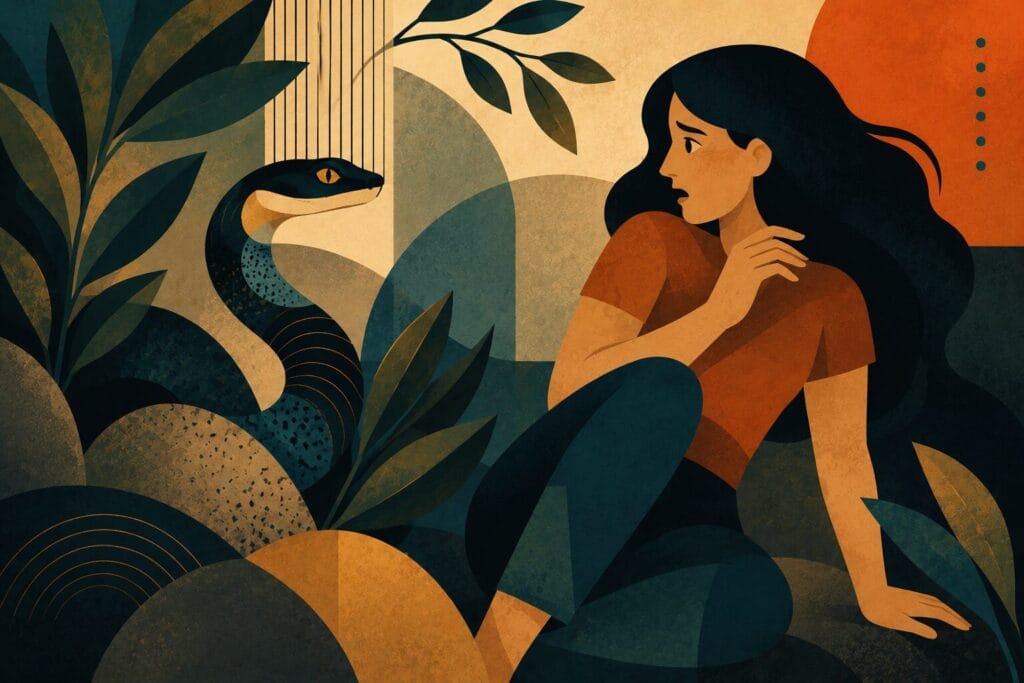
Have you ever felt your heart race at the mere thought of encountering a snake? Does the sight of a serpent on television send shivers down your spine? If so, you are far from alone. The fear of snakes, known as ophidiophobia, is one of the most common animal phobias in the world.
For many people, snakes trigger an almost instant reaction. Even seeing one in a photograph, nature documentary, social media video, or briefly mentioned online can cause panic, tension, or a strong urge to look away.
While snakes are not something most people in the UK encounter regularly, a snake phobia can still have a surprisingly large impact on daily life. It may affect travel, outdoor experiences, holidays abroad, watching documentaries, or even scrolling through social media where snake content frequently appears unexpectedly. For some people, the fear quietly shapes decisions more than they realise.
In this article, we’ll explore what the fear of snakes is, why it develops, how it affects the brain and nervous system, and how ophidiophobia can be overcome. We’ll also look at the fascinating reality of snakes, the important role they play in nature, and how learning more about them can sometimes begin transforming fear into understanding.
Check out our powerful Client Testimonial
What Is the Fear of Snakes?
While some people experience mild discomfort around snakes, ophidiophobia is more extreme. People with a snake phobia experience an intense and irrational fear response that can have a significant impact on daily life. This fear is often difficult to control, even when the individual logically understands they may not actually be in danger.
You are also very much not alone. It is estimated that up to 3% of the UK population may be affected by the fear of snakes, making it one of the most common specific phobias.
For some people, the fear only occurs around real snakes. For others, it can also be triggered by:
- Videos
- Photographs
- Zoo enclosures
- Snake-like shapes
- Nature documentaries
- Thoughts or mental images of snakes
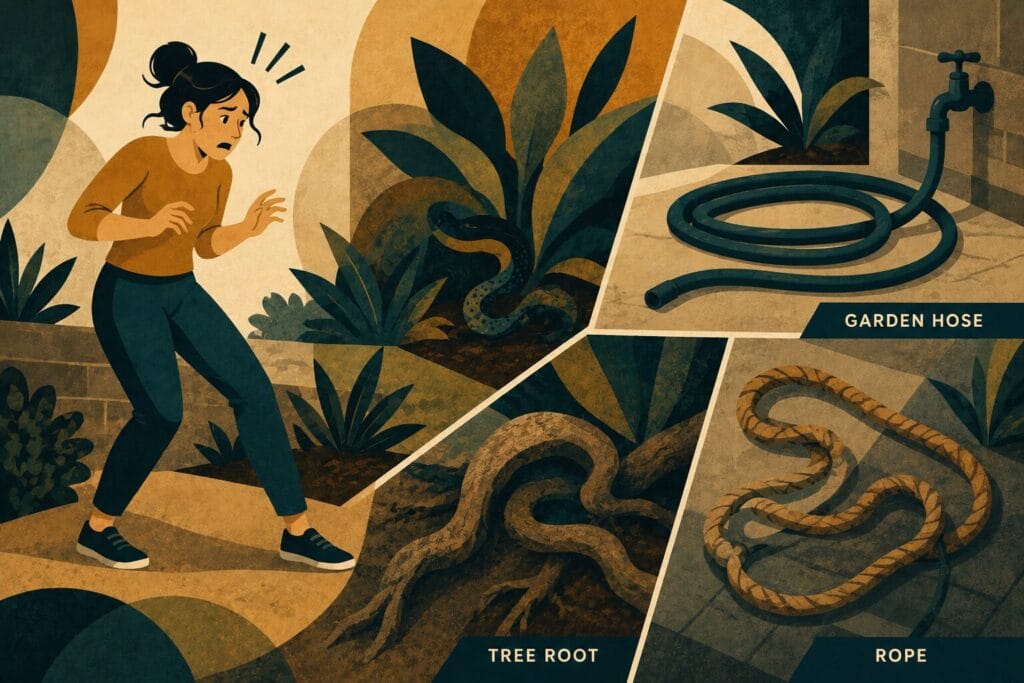
Interestingly, researchers believe that there could be a genetic component to snake fear; humans may be biologically primed to notice snakes quickly.
Studies suggest that the brain can detect snake-like patterns extremely rapidly via the amygdala, the brain’s threat-detection system. This ancient survival mechanism may once have helped humans avoid danger in the wild, but in modern life, the response can become overactive and disproportionate.
The National Institutes of Health has published research exploring how humans appear particularly sensitive to snake detection compared to many other animals.
Symptoms of Snake Phobia
Snake phobia can trigger a wide range of physical, emotional, and behavioural symptoms.
Common Symptoms of Ophidiophobia
- Rapid heartbeat
- Sweating
- Trembling or shaking
- Tight chest or difficulty breathing
- Nausea or dizziness
- Panic attacks
- Feeling frozen or unable to move
- Racing thoughts
- Hypervigilance outdoors
- Avoidance of reptile houses or zoos
- Fear while travelling abroad
- Distress when seeing snakes online or on television
- Anxiety around forests, jungles, or tropical environments
Some people also experience anticipatory anxiety, where the fear centres more around the possibility of encountering a snake rather than the animal itself.
According to the NHS overview of phobias, phobias can significantly affect everyday life, confidence, and well-being when avoidance patterns become deeply established.
How Snake Phobias Are Formed
Snake phobias can develop through a combination of biology, learning, personal experiences, and cultural influences.
While there may be a genetic component to the fear of snakes, many experts believe that ophidiophobia is largely a learned behaviour. Cultural attitudes, negative experiences, and even parents’ reactions to snakes can all contribute to developing this phobia.
Evolutionary Survival Responses
Humans appear unusually sensitive to snake detection compared to many other animals. Some scientists believe our ancestors evolved to rapidly notice snakes because this increased their chances of survival.
This does not mean fear is inevitable, but it may help explain why snakes trigger such immediate reactions in some people.
Snake Phobia: A Learned Fear
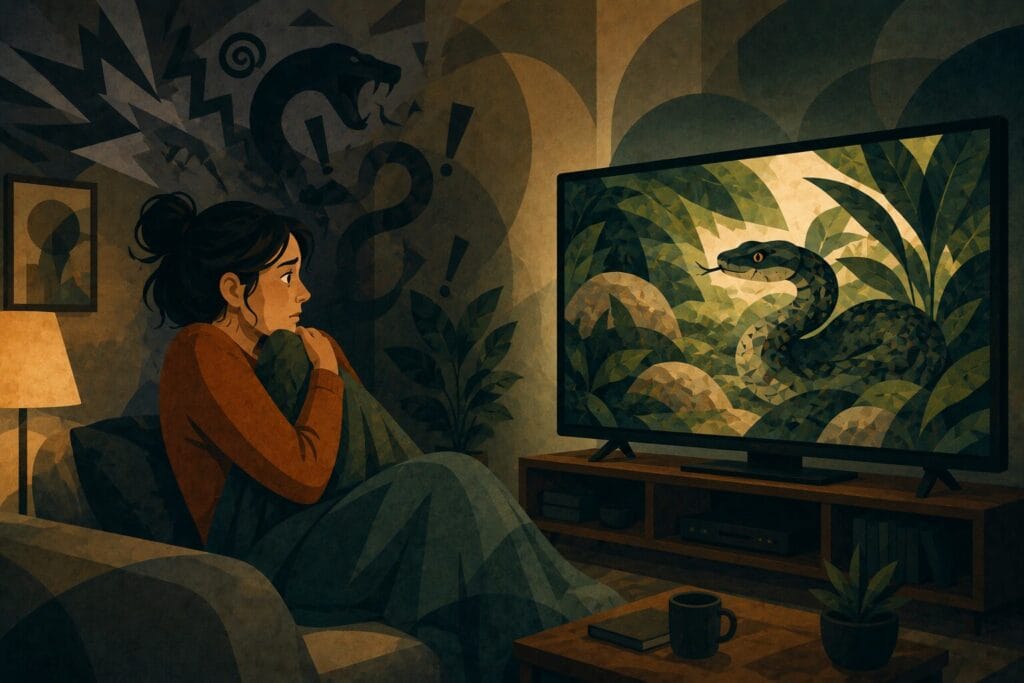
Fear can also be learned from parents, films, television, news stories, or cultural messaging. If a child repeatedly sees strong, fearful reactions towards snakes, their brain may begin associating snakes with danger.
Negative Experiences
A frightening encounter with a snake, even if no harm occurred, can strongly reinforce fear responses. The brain remembers emotionally intense experiences particularly well.
The Avoidance Cycle
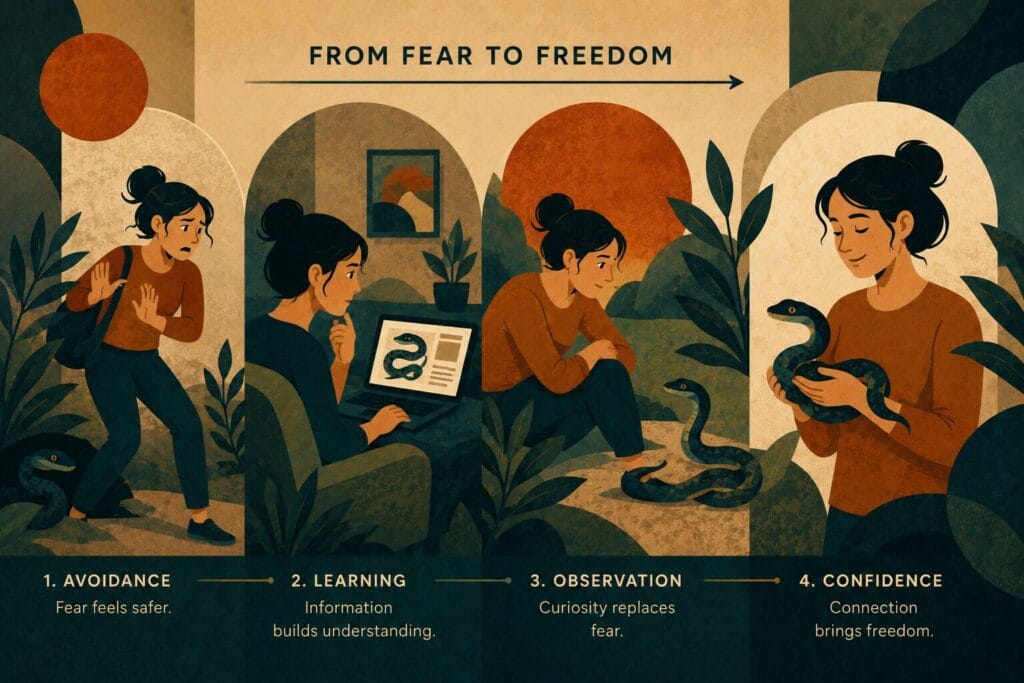
Avoidance is one of the biggest reasons snake phobias persist.
Avoiding snakes may temporarily reduce anxiety; however, it also prevents the nervous system from learning that the feared situation might actually be survivable or manageable. Over time, the fear often grows larger and more sensitive.
Why Address Your Fear of Snakes?
Because snakes are relatively uncommon in the UK, some people assume their fear of snakes is not worth addressing. However, snake phobia can still have a surprisingly significant impact on quality of life.
A Snake Phobia May Affect:
- Travel plans
- Safari holidays
- Hiking or camping trips
- Visits to zoos or wildlife parks
- Watching nature programmes
- Social media use
- Confidence outdoors
- Overall anxiety levels
For international travellers, the fear can become even more restrictive. Some people avoid entire destinations due to anxiety about encountering snakes, even when the actual risk is extremely low.
Overcoming ophidiophobia is not about forcing yourself to love snakes. It is about reducing the power fear has over your life and helping your nervous system feel safer, calmer, and more in control.
One of the best ways to overcome fear is to build fascination and compassion through understanding. Let’s take a moment to learn a little more about snakes to see them through a different and more positive lens.
Fascinating Facts About Snakes

The more people learn about snakes, the more fascinating they often become.
Snakes are highly specialised animals with extraordinary adaptations that have evolved over millions of years.
Fascinating Snake Facts
- There are over 3,000 snake species worldwide, but only a relatively small percentage are dangerous to humans.
- Many snakes are extremely shy and prefer escaping rather than confrontation.
- Some snakes, like pit vipers, can detect heat, allowing them to sense warm-blooded prey in complete darkness.
- Snakes shed their skin as they grow.
- While many snakes eat small mammals, some species have specialised diets. The egg-eating snake, for instance, feeds almost exclusively on eggs.
- Snakes do not have external ears but can sense vibrations through their jawbones.
- Certain snake species, such as the Paradise Tree Snake, can glide through the air for impressive distances.
- Sea snakes have evolved remarkable adaptations that allow them to survive in marine environments and hold their breath for long periods.
According to the Natural History Museum, snakes are among the most evolutionarily successful reptiles on Earth.
The San Diego Zoo Wildlife Alliance also highlights the extraordinary diversity and adaptations found across snake species.
Many people who overcome ophidiophobia eventually describe snakes not as “evil” creatures, but as elegant, ancient, and biologically remarkable animals.
Dispelling Myths About Snakes
Fear often grows strongest when animals feel mysterious or misunderstood. Accurate information can help replace exaggerated negative perceptions with a more realistic understanding.
Myth: All snakes are aggressive
Most snakes avoid humans whenever possible and only become defensive when frightened or cornered.
Myth: All snakes are venomous
Only a minority of snake species are medically significant to humans.
Myth: Snakes are slimy
Snakes are actually dry and smooth to the touch due to their scales.
Myth: Snakes chase people
Snakes generally retreat from humans rather than pursue them.
Myth: Snakes are cruel or malicious
Snakes are simply survival-driven animals behaving according to instinct rather than intention or morality.
How Snakes Help Humans and the Environment
As we work to overcome our fears, it is important to recognise the vital role snakes play in ecosystems and human history. Understanding these remarkable reptiles can help us appreciate their value and coexist more harmoniously with them.
Historical and Cultural Significance
Snakes have played significant roles in human culture and medicine:
- Ancient Egyptians revered cobras as symbols of royalty and divine authority.
- The Rod of Asclepius, featuring a snake, remains a symbol of medicine today.
- Snake venom research has helped contribute to medications used in treating high blood pressure and pain.
Natural Pest Control
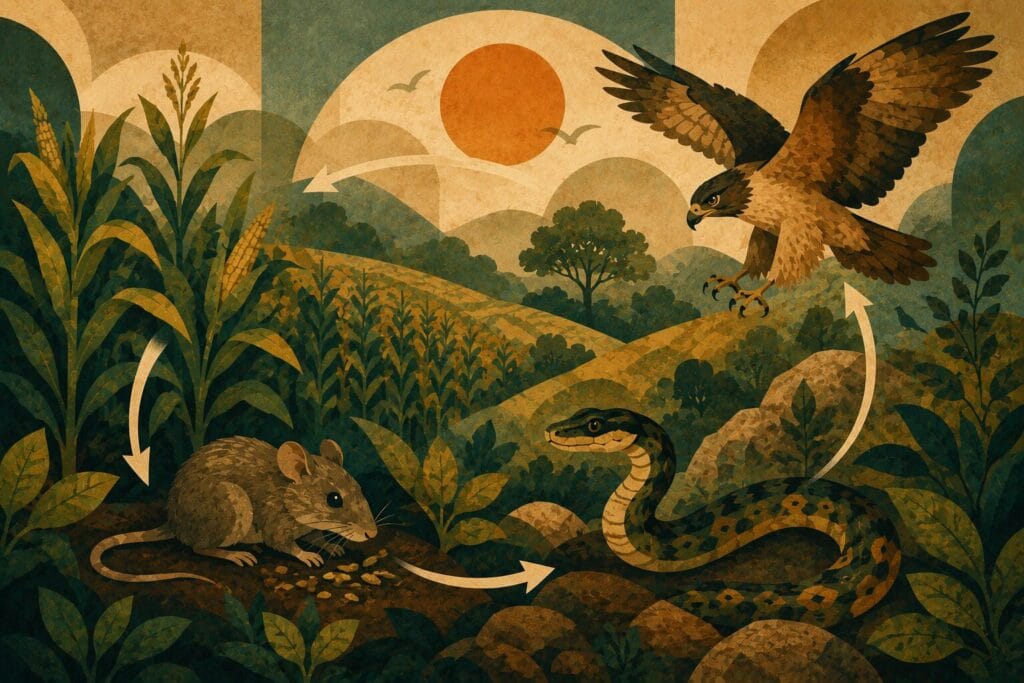
Many snakes help regulate rodent populations naturally, protecting crops and reducing the spread of diseases carried by rats and mice.
Maintaining Ecological Balance
Snakes are both predators and prey, making them an important part of healthy food chains and biodiversity.
Medical Research
Snake venom research has contributed to the development of important medications used in treating blood pressure conditions, heart disease, and pain management.
Indicators of Ecosystem Health
Healthy snake populations often indicate healthy environments.
The WWF UK highlights the important ecological role reptiles play in maintaining biodiversity and ecosystem stability.
The Smithsonian National Zoo also discusses the importance of reptiles in healthy ecosystems and conservation efforts worldwide.
How Humans and Snakes Can Peacefully Coexist
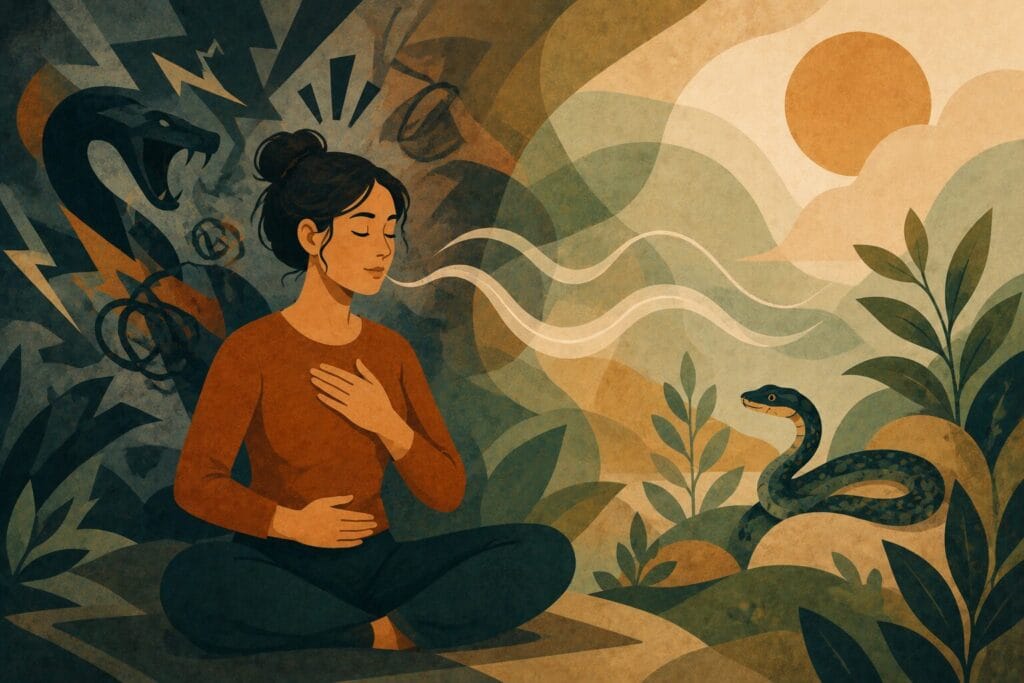
Despite their reputation, most snakes want very little to do with humans.
Snakes are generally defensive animals, not aggressive ones. In the vast majority of situations, they prefer retreating and avoiding confrontation entirely.
Practical Coexistence Strategies
- Giving wild snakes space
- Avoiding attempts to handle unknown snakes
- Learning which species live locally
- Remaining calm during encounters
- Respecting wildlife boundaries
- Contacting wildlife professionals if necessary
Understanding snake behaviour often helps reduce panic because the animal becomes more predictable and less mysterious.
Importantly, humans pose far greater danger to snakes than snakes pose to humans. Many snake species face threats from habitat destruction, persecution, and misinformation.
Practical Tips for Managing Snake Encounters
While overcoming your fear of snakes is the ultimate goal, it is also helpful to know how to handle potential encounters safely:
- In the wild, give snakes plenty of space. Most will slither away if left alone.
- If you see a snake in your garden, keep your distance and contact a professional if necessary.
- In the unlikely event of a snake bite, stay calm, immobilise the affected limb, and seek medical attention immediately.
Building a Positive Relationship with Snakes
As you work on overcoming ophidiophobia, consider ways to appreciate snakes from a safe distance:
- Visit a zoo or wildlife centre to observe snakes in a controlled environment
- Watch nature documentaries featuring snakes
- Support snake conservation efforts
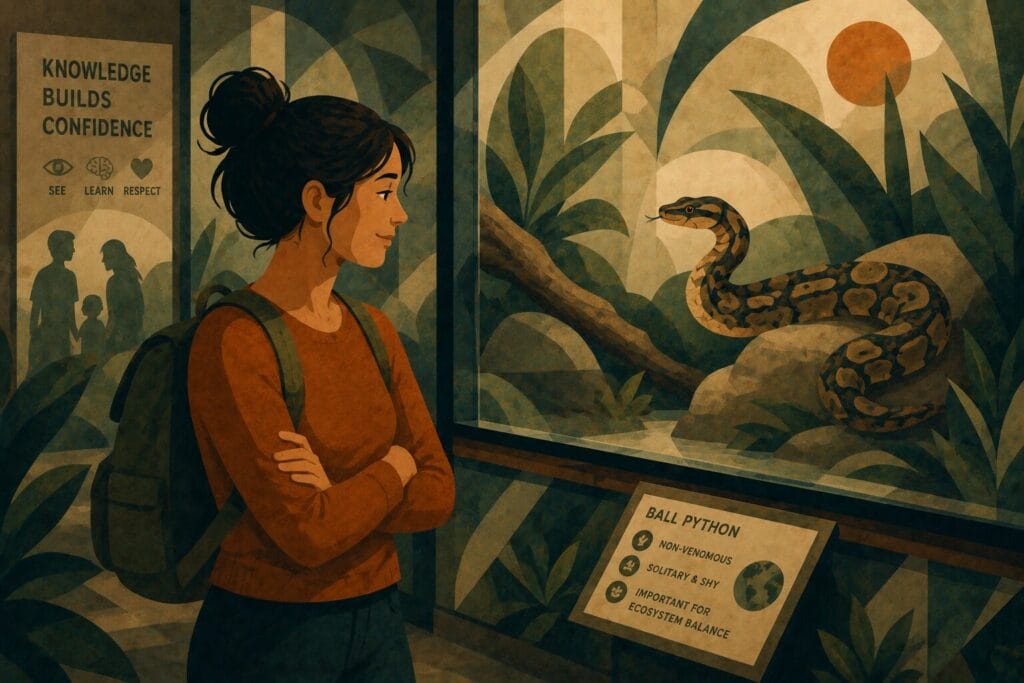
How to Overcome Your Fear of Snakes
The good news is that ophidiophobia is highly treatable.
The goal of therapy is not to force someone into overwhelming situations, but to gradually help the brain and nervous system learn a new relationship with fear.
This often begins gently through:
- Education
- Discussion
- Photographs
- Videos
- Controlled observation
- Guided exposure exercises
Over time, the nervous system can begin learning:
“I can feel anxious and remain safe.”
Many people are surprised by how quickly fear can begin changing once avoidance decreases and confidence starts building.
Therapeutic Techniques Used to Treat Snake Phobia
At Creature Courage, we use a holistic and neuroscience-informed approach to helping people overcome the fear of snakes.
Techniques We May Use Include:
- Animal Education: To build fascination and compassion, and to dispel myths
- Exposure Therapy: To allow the brain to update its fear response
- CBT: (Cognitive Behavioural Therapy): To give powerful thought awareness
- Guided Imagination Exercises: To transform how you see spiders
- NLP Techniques: (Neuro-Linguistic Programming) to change how you understand the animal and anchor courage
- Hypnotherapy: To make changes in the deep subconscious and create relaxation
- Art Therapy: To help strengthen other techniques and make them memorable
Creature Courage: The Expert Snake Phobia Specialists
At Creature Courage, we specialise in helping people overcome animal phobias using a compassionate, experiential, and neuroscience-informed approach.
Our Approach Combines:
- Real-time exposure experiences
- Nervous system regulation
- Animal education
- Confidence-building
- Psychological support
- Practical behavioural techniques
Many clients attend immersive one-day therapy experiences designed to create meaningful progress within a concentrated and supportive environment.
Our approach focuses not simply on “coping,” but on helping people genuinely change their relationship with fear.
You can explore real client experiences on our Testimonials Page and learn more about the science behind immersive treatment in Why One-Day Phobia Therapy Works.
Get Help with Your Fear of Snakes
If your fear of snakes has been limiting your confidence, travel, freedom, or peace of mind, change is possible. With the right support, many people discover they are far more capable than they once believed.
Whether your fear is mild discomfort or severe panic, taking the first step towards understanding your fear can be incredibly empowering.
You can learn more or arrange a consultation through our Contact Creature Courage.

Frequently Asked Questions
Can I overcome my fear of snakes?
Yes. Snake phobia is highly treatable, and many people experience significant improvements through gradual exposure and supportive therapy.
Do I have to touch a snake?
No. Therapy progresses at your pace. Some people begin simply by learning about snakes or observing them from a distance.
How long does it take to overcome snake phobia?
This varies between individuals. Some people make rapid progress, while others prefer a slower gradual process.
Why do I react so strongly to snakes?
Humans appear particularly sensitive to snake detection, and fear can also be reinforced through learning, media exposure, and avoidance patterns.
Is my fear of snakes normal?
Yes. Fear of snakes is extremely common and deeply rooted in human psychology. It only becomes problematic when it significantly affects quality of life.