
Fear of Reptiles (Herpetophobia): Symptoms, Causes and Treatment
Introduction
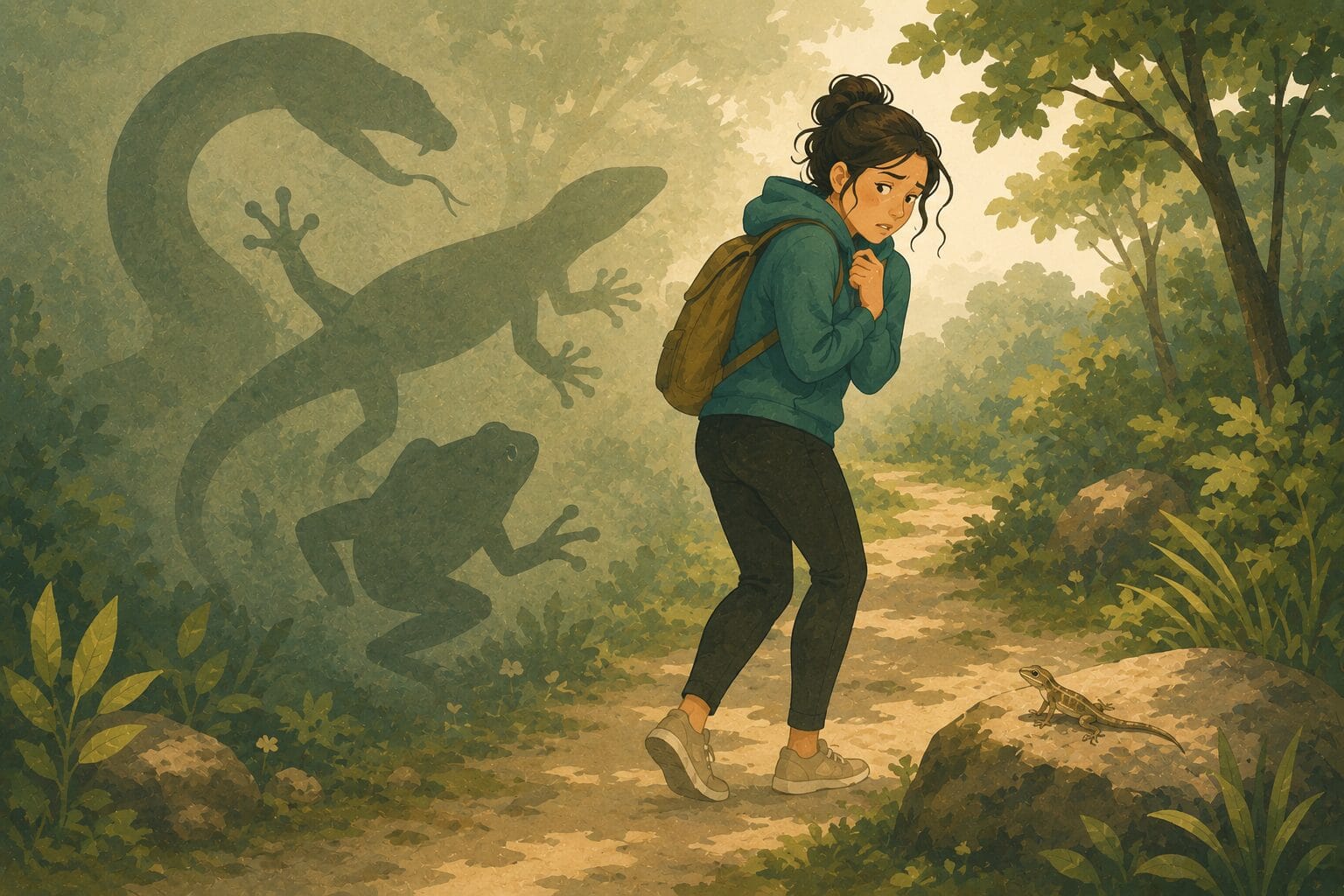
The fear of reptiles, known as Herpetophobia, can range from mild discomfort to overwhelming panic. This fear is not about just one type of reptile, but all reptiles.
For some people, seeing a snake, lizard, or turtle is enough to trigger intense anxiety. Others may avoid zoos, nature reserves, pet shops or even television programmes featuring reptiles.
Many people who experience a fear of reptiles also feel uneasy around amphibians such as frogs, toads, newts and salamanders. The fear of amphibians is called bactrachophobia.
If this sounds familiar, you are not alone.
In this article, we will explore what Herpetophobia is, why it develops, how it can affect daily life, and most importantly, how it can be overcome. Along the way, we will also look at the fascinating world of reptiles and amphibians, challenge common misconceptions, and discover why these ancient animals deserve understanding rather than fear.
While fear can make reptiles seem threatening or unpredictable, knowledge often reveals a very different picture. With the right support and approach, it is entirely possible to develop greater confidence around these remarkable creatures.
What Is the Fear of Reptiles?
Herpetophobia is the term used to describe an intense and persistent fear of reptiles. The word comes from the Greek words herpeton (creeping animal) and phobos (fear).
Although the condition technically refers to reptiles such as:
- Snakes
- Lizards
- Geckos
- Turtles
- Tortoises
- Crocodilians
Many people who experience Herpetophobia also report feeling anxious around amphibians, including:
- Frogs
- Toads
- Newts
- Salamanders
In some cases, the fear of frogs and other amphibians (Batrachophobia) is a completely separate fear from a reptile phobia. However, usually there is a considerable overlap between the two, as the animals can be similar in appearance and in the way they move.
For some people, the fear centres on a reptile's appearance. For others, it is the way they move. Slithering, darting, climbing or sudden jumping movements can feel unpredictable, which may trigger the brain's threat-detection system.
Like all specific phobias, Herpetophobia is not simply a dislike. It is an anxiety response that can feel automatic, powerful and difficult to control.
Symptoms of Reptile Phobia
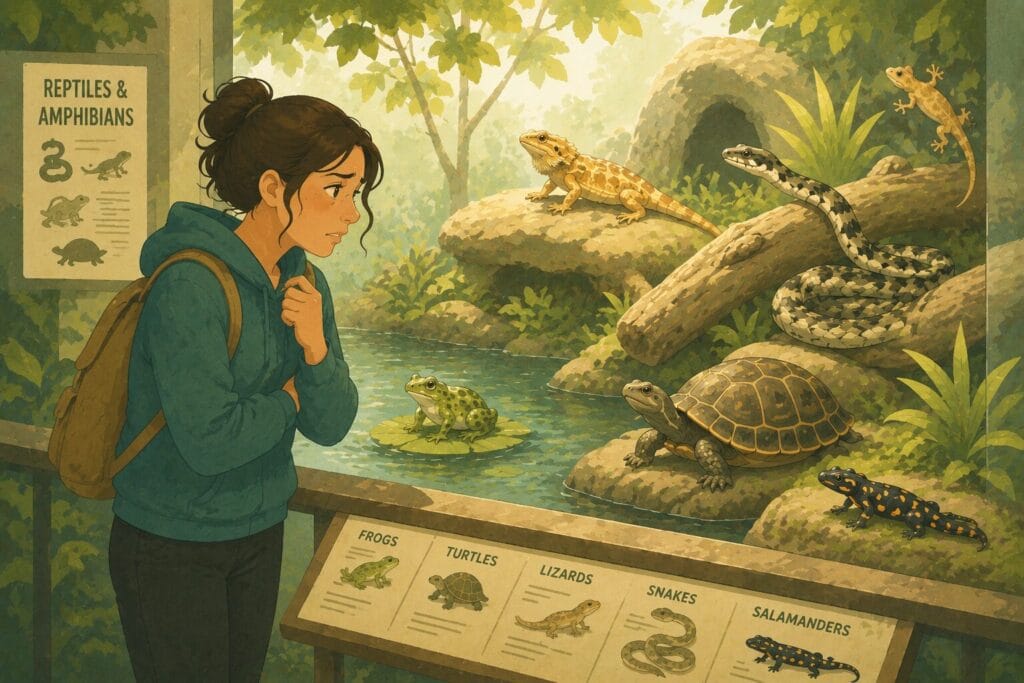
People experience Herpetophobia in different ways. Symptoms can range from mild unease to severe panic.
Common physical symptoms include:
- Rapid heartbeat
- Increased breathing rate
- Sweating
- Shaking or trembling
- Dizziness
- Nausea
- Tightness in the chest
- Feeling frozen or unable to move
Common emotional symptoms include:
- Intense fear or dread
- Feeling out of control
- Anticipatory anxiety before encounters
- Catastrophic thoughts about harm or danger
- Disgust or revulsion
Common behavioural symptoms include:
- Avoiding zoos, wildlife parks or reptile exhibits
- Avoiding countryside walks or holidays
- Refusing to watch wildlife documentaries
- Leaving an area after spotting a reptile or amphibian
- Constantly scanning the environment for signs of reptiles
- Becoming emotional at the sight of a reptile or amphibian
In severe cases, people may experience panic attacks when confronted with a feared animal.
How Reptile Phobias Are Formed
Many people assume they were simply "born afraid" of reptiles. In reality, fears usually develop through a combination of experiences, learning and natural survival instincts.
Learning Fear from Others
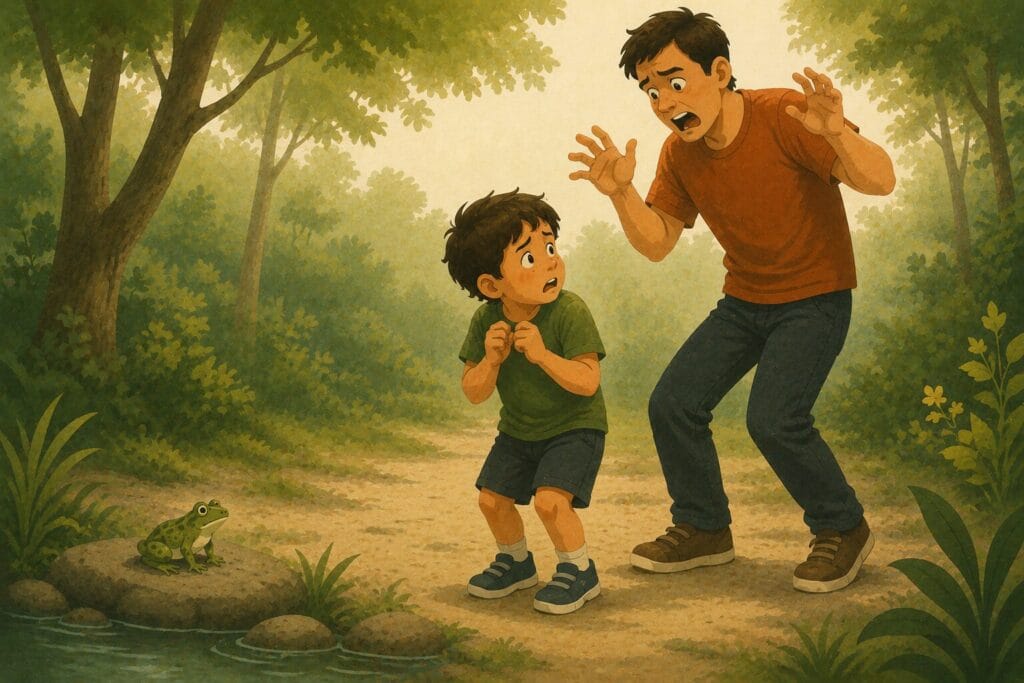
One of the most common causes of animal phobias is observation.
A child who repeatedly sees a parent scream at a snake, recoil from a frog or react with disgust towards a lizard may unconsciously learn that these animals are dangerous.
Over time, the emotional reaction can become associated with the animal itself.
Negative Experiences
Sometimes a single memorable event can create a lasting impression.
A snake appearing unexpectedly on a path, a frog jumping suddenly from long grass or a childhood encounter that felt frightening at the time can become strongly linked with fear.
Interestingly, the event does not necessarily need to be dangerous. The surprise alone may be enough for the brain to store the experience as a threat.
Media and Cultural Influences
Reptiles have often been portrayed as villains throughout history.
From folklore and myths to films and television programmes, snakes and other reptiles are frequently used to represent danger, deception or evil.
When these messages are repeated over many years, they can shape our perception of animals we may rarely encounter in real life.
The Brain's Threat Detection System
A small structure in our brains called the amygdala plays a key role in this process. This is our ancient survival part of the brain that is constantly assessing the environment for potential threats.
When something feels unfamiliar, unpredictable or potentially dangerous, the amygdala can trigger a fight, flight or freeze response before we have had time to think rationally.
This is particularly relevant for reptiles because their movement patterns differ significantly from those of mammals. A slithering snake or rapidly moving lizard may activate an instinctive caution response, even when there is no actual danger.
The Avoidance Cycle
One of the reasons phobias persist is that avoidance provides short-term relief.
Imagine someone sees a lizard and immediately leaves the area.
Their anxiety drops.
The brain then learns:
"Avoidance worked. Do that again next time."
Unfortunately, this prevents the brain from learning that the situation was actually safe. Therefore, over time, the brain is trained to make the fear stronger rather than weaker.
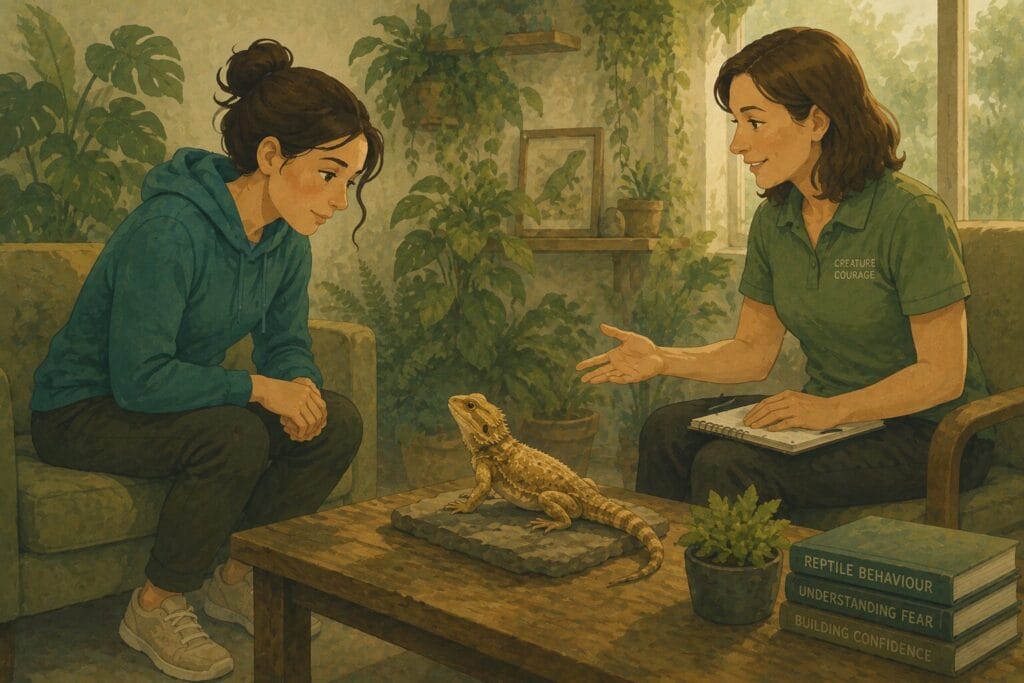
This is one reason why approaches such as Exposure Therapy for Animal Phobias can be so effective. They help the brain update outdated threat predictions through carefully structured experiences.
Why Address Your Fear of Reptiles?
It can be tempting to simply avoid reptiles and amphibians altogether.
However, avoidance often comes with hidden costs.
You may find yourself:
- Missing out on outdoor adventures
- Avoiding certain countries or holidays
- Feeling anxious during countryside walks
- Skipping visits to zoos or wildlife parks
- Passing fears on to children through your reactions
Perhaps most importantly, living with an unresolved fear can reinforce a broader belief that anxiety must always be avoided rather than faced.
Many people discover that overcoming an animal phobia brings benefits far beyond the animal itself.
They often report feeling:
- More confident
- More resilient
- More willing to try new experiences
- Less controlled by anxiety
At Creature Courage®, we frequently see people arrive believing they could never be near a reptile, only to leave with a completely different perspective.
The goal is to help you regain choice, control over your emotions and ultimately freedom.
When fear no longer controls your decisions, you are free to engage with the world on your own terms.
Fascinating Facts About Reptiles and Amphibians
One reason reptile fears can be so powerful is that these animals often seem unfamiliar. Yet reptiles and amphibians are among the most remarkable creatures on Earth.
Ancient Survivors
Reptiles are part of an evolutionary story that stretches back hundreds of millions of years. Long before humans appeared, reptilian ancestors were already thriving across the planet.
Crocodilians are particularly impressive. Crocodiles and alligators have been around for over 200 million years, longer than the dinosaurs. Moreover, modern crocodiles still retain many ancient adaptations that have helped them survive for millions of years.
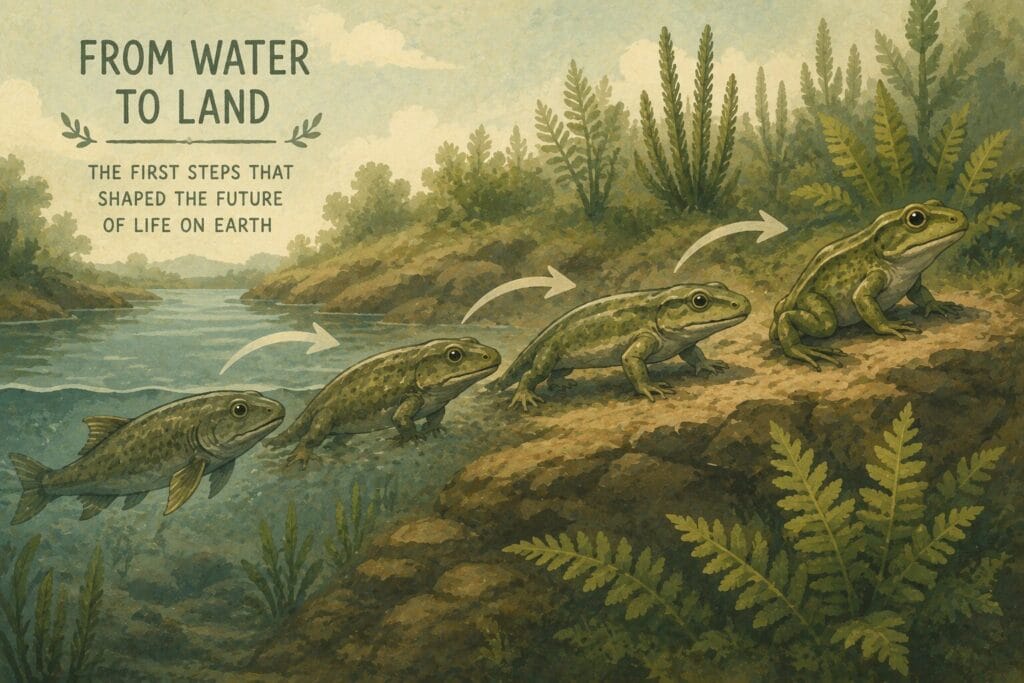
Amphibians also hold an important place in evolutionary history. Their ancestors were among the first vertebrates to venture onto land, helping shape the future of life on Earth.
Masters of Adaptation
Reptiles and amphibians have evolved extraordinary ways to survive.
Many geckos can climb smooth vertical surfaces. Their toe pads are covered in millions of microscopic hairs called setae. Then each of these hairs splits into even smaller branches called spatulae. These nanoscale structures are small enough to compare with the wall's molecules to cause their electrons to synchronise. This then creates a powerful grip.
Certain snakes can detect heat from warm-blooded animals. Chameleons can move their eyes independently while changing colour to communicate and regulate body temperature.
Amphibians are equally fascinating. Frogs can leap many times their own body length, while some salamanders have the remarkable ability to regenerate lost limbs.
More Intelligent Than Many People Realise
Reptiles are often unfairly described as primitive or unintelligent.
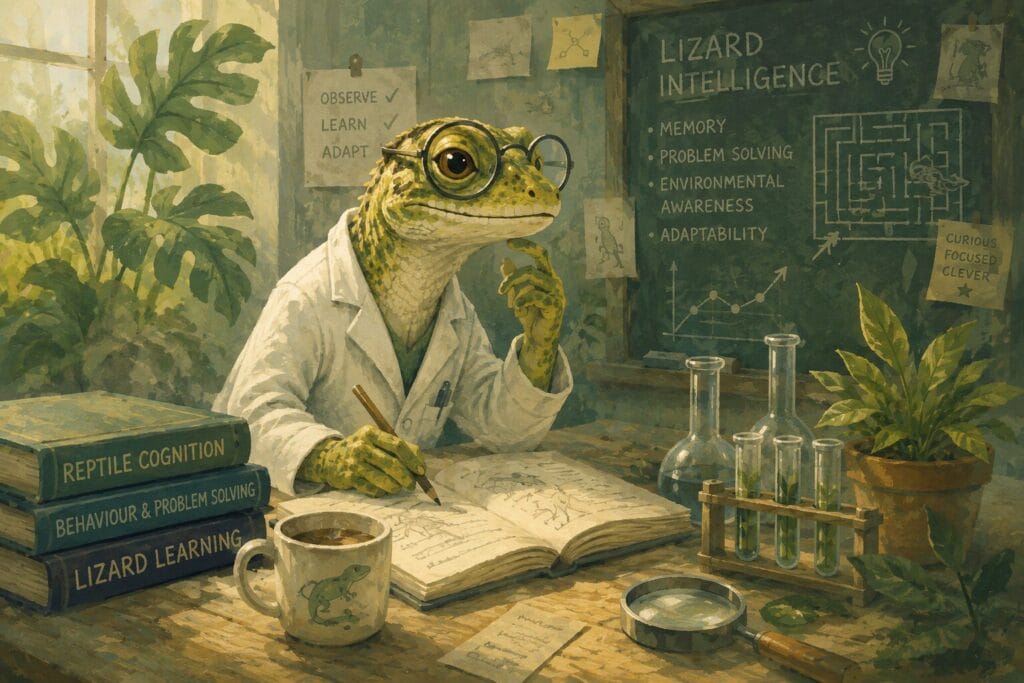
In reality, many species are capable of learning routines, solving puzzles, recognising environments and adapting their behaviour through experience. Studies revealed that monitor lizards can even count up to 6!
Keepers frequently report individual personalities in species such as bearded dragons, tortoises, and monitor lizards.
The more we learn about these animals, the harder it becomes to view them as simple or uninteresting.
Dispelling Common Myths About Reptiles and Amphibians
Misunderstandings often fuel fear. Fortunately, many common beliefs about reptiles and amphibians are not true.
Myth: All Snakes Are Dangerous
Reality: While some snake species possess venom, the vast majority pose little or no threat to humans.
In fact, most snakes actively avoid people and would rather escape than confront a potential predator.
Myth: Reptiles Are Slimy
Reality: This is one of the most widespread misconceptions.
Reptiles have dry skin covered in scales.
Amphibians have moist skin, but even they are not "slimy" in the way many people imagine.
Myth: Frogs and Toads Cause Warts
Reality: This old myth has persisted for generations. It probably stemmed from the bumpy appearance of toad skin.
Warts are caused by viruses, not by touching frogs or toads.
Myth: Reptiles Chase Humans
Many people with Herpetophobia describe a fear that reptiles will move towards them. The only reason this might happen is that the reptile or amphibian is scared or confused.
In reality, most reptiles are far more interested in finding shelter, food or safety than interacting with humans.
The vast majority would prefer to be left alone.
How Reptiles and Amphibians Help Humans and the Environment
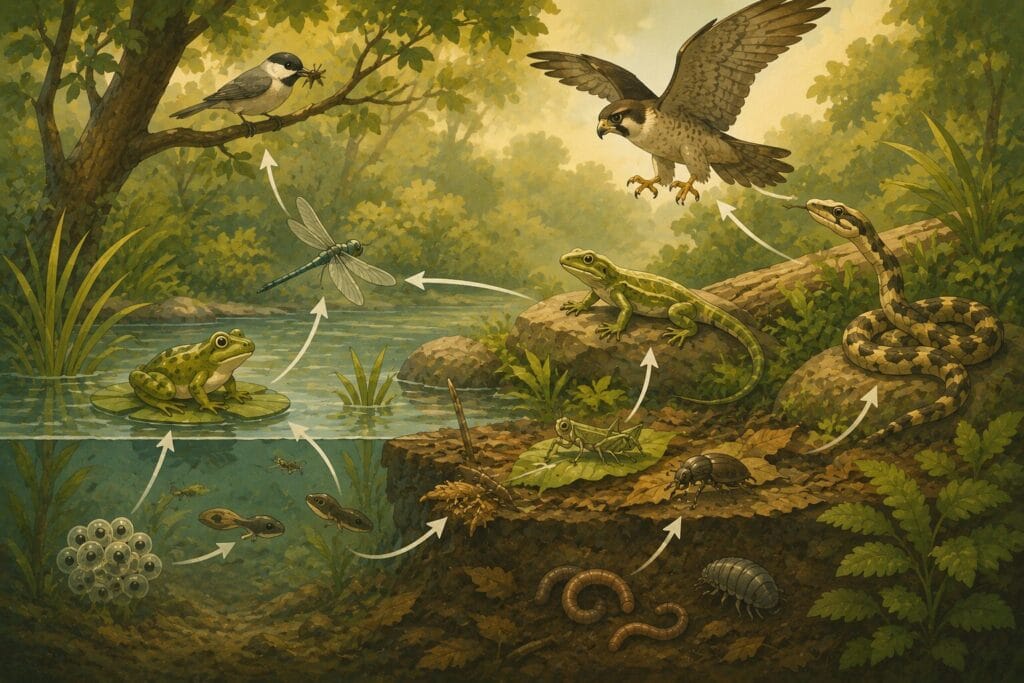
Reptiles and amphibians play essential roles within healthy ecosystems.
Without them, many natural systems would struggle to maintain balance. Without them, entire echosytems could collapse which would affect us as well.
Reptiles and amphibians are part of the natural cycle of the food chain.
Natural Pest Control
Many reptiles and amphibians feed on insects, slugs, rodents and other animals that can damage crops or spread disease.
Frogs consume large numbers of insects throughout their lives, while snakes help regulate rodent populations.
These natural relationships reduce the need for human intervention and help maintain ecological stability.
Indicators of Environmental Health
Amphibians are often considered environmental "early warning systems."
Because their skin is highly sensitive to pollution and environmental changes, declining amphibian populations can signal problems within an ecosystem.
The Amphibian and Reptile Conservation Trust highlights the importance of protecting these species as part of wider conservation efforts.
Contributions to Medical Research
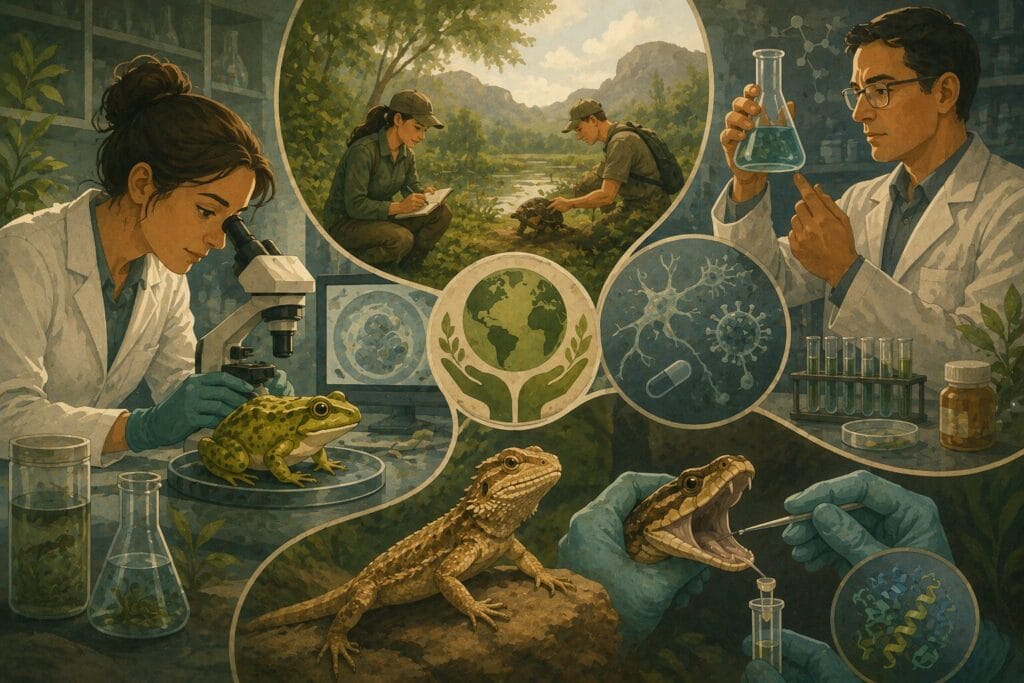
Some amphibian skin secretions have contributed to scientific research exploring new medicines. Studies of the saliva of the Gila monster, a lizard species from North America, have contributed to creating an important drug to help manage diabetes.
The skin peptides of specific frogs have provided blueprints for non-opioid painkillers.
Salamanders possess the extraordinary ability to regenerate lost limbs and organs. Scientists study these amphibians to understand cellular reprogramming and tissue regeneration, which informs research into wound healing and nerve repair in humans.
Similarly, certain reptile venoms have helped scientists develop treatments for conditions such as high blood pressure and blood-clotting disorders.
These animals have contributed more to human knowledge than many people realise. Thousands of lives have been inadvertently saved by reptiles and amphibians.
Reptiles and Amphibians as Pets
One aspect of reptiles that often surprises people is how deeply they are appreciated by their keepers.
Across the UK, thousands of people care for reptiles and amphibians as beloved pets.
Popular species include:
- Bearded dragons
- Leopard geckos
- Corn snakes
- Crested geckos
- Tortoises
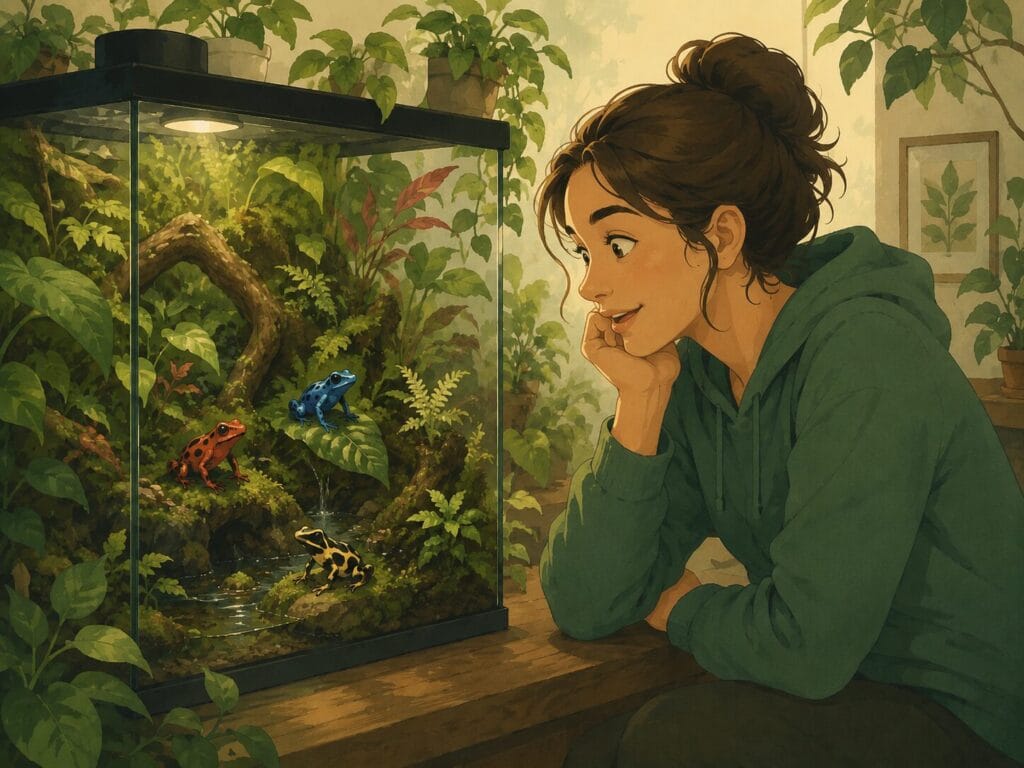
- Dart frogs
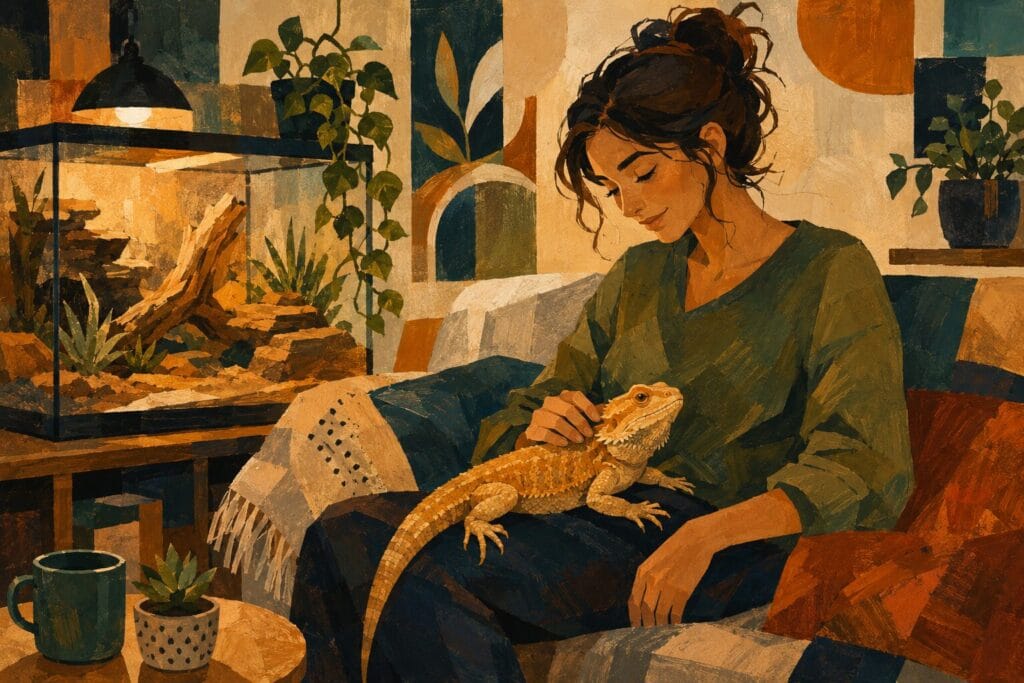
Many owners describe their animals as curious, calming and full of personality. You might be surprised to know that many reptiles can actually recognise and bond with their owners, even showing affection! Some, like the Tegu lizard, will willingly get into their owner's laps for a cuddle and a scratch, much like a puppy or kitten!
Modern bioactive vivariums can also become beautiful miniature ecosystems that allow people to observe natural behaviours up close.
You do not need to become a reptile keeper yourself.
However, recognising that these animals are often loved rather than feared can provide a useful shift in perspective.
The same animal that triggers anxiety in one person may inspire fascination and affection in another.
How Humans and Reptiles Can Peacefully Coexist
Most reptiles and amphibians want exactly the same thing we do: safety.
They are not searching for human encounters. They are simply trying to survive.
Fortunately, peaceful coexistence is usually straightforward.
Give Wildlife Space
If you encounter a reptile or amphibian outdoors, observe from a respectful distance.
There is rarely any need to interfere.
Learn About Local Species
Knowledge often reduces uncertainty.
The more familiar you become with local wildlife, the easier it becomes to interpret encounters realistically rather than through the lens of fear.
Excellent educational resources can be found through The Wildlife Trusts.
Replace Assumptions with Curiosity
Instead of asking:
"What if it harms me?"
try asking:
"What is this animal doing?"
This simple shift often transforms anxiety into observation and understanding.
Read books about reptiles and amphibians, view them at zoos and petstores, build your fasciantion and appreciation for them. This is one of the most powerful ways to overcome your fear of them and live peacefully with them.
Reptiles and amphibians have been sharing our world for millions of years. Learning to coexist with them can be an unexpectedly empowering and fascinating experience.
How to Overcome Your Fear of Reptiles
Overcoming Herpetophobia does not require you to suddenly handle a snake or hold a frog.
Progress is usually built through small, manageable steps.
For some people, the journey begins by reading about reptiles. For others, it may involve visiting a reptile house, watching documentaries or observing animals from a comfortable distance.
The goal is not to force yourself into frightening situations.
The goal is to gradually teach your brain that these animals are not the threat it currently believes them to be.
With time, patience and the right support, fear can become curiosity, and curiosity can become confidence.
Therapeutic Techniques Used to Overcome Fear of Reptiles
At Creature Courage®, we use a holistic and neuroscience-informed approach to helping people overcome Herpetophobia.
Every person is different. Some people fear snakes specifically, while others react to all reptiles and amphibians. Therefore, treatment is always tailored to the individual rather than using a one-size-fits-all approach.
Depending on your needs, this may include:
Exposure Therapy
Exposure therapy is considered one of the most effective treatments for specific phobias.
Rather than overwhelming you, exposure is carefully structured and progresses at a pace that feels manageable.
The goal is to help your brain discover that the feared animal is not as dangerous as it currently predicts.
Learn more about our approach to Exposure Therapy for Animal Phobias.
Cognitive Behavioural Therapy (CBT)
Fear is often maintained by catastrophic thinking and exaggerated threat predictions.
Cognitive Behavioural Therapy (CBT) helps identify these thought patterns and replace them with more realistic interpretations.
This can reduce anxiety and improve confidence when encountering reptiles and amphibians.
Neuro-Linguistic Programming (NLP)
Many phobias involve powerful mental imagery and automatic emotional associations.
NLP for Animal Phobias can help change how the brain represents feared situations, reducing the intensity of emotional reactions.
Hypnotherapy
When used appropriately, Hypnotherapy for Animal Phobias can help individuals enter a deeply relaxed state where new ways of thinking and responding can be rehearsed.
Many clients find this particularly helpful when anxiety feels deeply ingrained.
Guided Imagery and Imagination Exercises
The brain often struggles to distinguish between vividly imagined experiences and real experiences.
Our Guided Imagination Exercises allow clients to safely rehearse success before confronting real-world situations.
This can help build confidence and reduce anticipatory anxiety.
Animal Education Therapy
Fear thrives in uncertainty.
The more we understand an animal, the less mysterious and threatening it often becomes.
Our Animal Education Therapy helps replace misconceptions with knowledge, understanding and perspective.
Art Therapy
It's scientifically proven that when we write or draw something, we learn it in a more lasting way. We use art therapy to help make meditations and concepts more memorable and lasting.
The good news is, you don't have to be good at art to do it!
Compassion-Based Approaches
Many people spend years viewing reptiles and amphibians solely through the lens of fear.
Sometimes a powerful shift occurs when people begin seeing these animals as living creatures trying to survive rather than threats to avoid.
Compassion does not mean you have to love reptiles. It simply means understanding them more accurately.
However, when fascination and compassion replace fear and avoidance, dramatic changes happen. You never know how much you might come to appreciate reptiles and amphibians .

Creature Courage: The Expert Reptile Phobia Specialists
At Creature Courage®, helping people overcome animal phobias is what we do every day.
Unlike traditional approaches that may spread treatment over many months, we specialise in intensive, immersive experiences designed to create meaningful change in a much shorter period.
Most importantly, we focus on helping people work with their brains rather than fighting against them.
Fear is not a sign of weakness.
It is often a sign that the brain has learned an overly cautious response.
With the right training and support, those responses can change.
Many clients achieve life-changing results during our intensive one-day programmes.
You can learn more about Why One-Day Phobia Therapy Works and read real client experiences on our Testimonials Page.
For a broader overview of our services, visit our Animal Phobia Therapy page.
Get Help with Your Fear of Reptiles
If Herpetophobia has been limiting your life, it is important to remember that change is possible.
You do not need to spend years avoiding countryside walks, zoos, holidays or wildlife encounters.
Many people who once believed they could never be near a reptile have gone on to experience a level of confidence they never thought possible.
The first step is often the hardest.
However, it is also the step that creates the possibility for everything that follows.
If you would like support in overcoming your fear of reptiles or amphibians, we would be delighted to help.
Visit our Contact Page to discuss your situation and explore the options available.

Frequently Asked Questions About Herpetophobia
Can I really overcome my fear of reptiles?
Yes.
While every person is different, many people experience significant improvements through structured therapy and guided exposure. The brain remains capable of learning throughout life, which means fear responses can change.
Do I have to touch a reptile to overcome the fear?
No.
Treatment is always tailored to your comfort level and goals.
Some people choose to work towards handling a reptile. Others simply want to feel calm when seeing one. Both outcomes are valid.
How long does it take to overcome Herpetophobia?
This varies from person to person.
Some individuals experience major breakthroughs in a single intensive session, while others prefer a more gradual approach. Factors such as fear severity, previous experiences and motivation can all influence progress.
Why do I react so strongly when I know the fear is irrational?
Phobias are driven primarily by emotional learning rather than logical thinking.
Even when the rational part of the brain understands that a reptile is harmless, the amygdala may still trigger a powerful fear response. Therapy helps bring these systems back into alignment.
Is my fear of reptiles normal?
Absolutely.
Many people feel uneasy around reptiles and amphibians.
What matters is not whether the fear exists, but whether it is limiting your life. If your fear is affecting your choices, confidence or wellbeing, support is available.
Can children develop a fear of reptiles?
Yes.
Children can develop fears through direct experiences, observing the reactions of others or consuming frightening media. Fortunately, children are often highly adaptable and can respond very well to early intervention.
Are reptiles actually interested in attacking people?
In the overwhelming majority of situations, no.
Most reptiles prefer to avoid humans whenever possible. Their primary goals are finding food, shelter, warmth and safety. Human interaction is rarely something they actively seek.
By understanding reptiles and amphibians more deeply, it becomes easier to see them not as monsters from our imagination, but as remarkable animals with ancient histories, extraordinary adaptations and important roles in the natural world.
For many people, that understanding becomes the first step towards lasting freedom from fear.