The Fear of Horses: Equinophobia

Fear of Horses: Understanding and Overcoming Equinophobia
Horses have long captured the human imagination. They appear in myths, films, countryside landscapes, and sporting traditions across the UK. Yet for some people, being near a horse can trigger overwhelming anxiety. Even seeing one from a distance may cause panic, dread, or a strong urge to escape.
If you struggle with a fear of horses, you are not weak, irrational, or alone. Equinophobia, sometimes called hippophobia, is a recognised animal phobia that can deeply affect daily life. The good news is that fears like this are highly treatable.
In this guide, we will explore what the fear of horses is, why it develops, how it impacts people emotionally and physically, and the steps you can take to overcome it. You will also discover fascinating facts about horses that may help shift fear into curiosity and understanding.
What is Equinophobia?
The fear of horses is known scientifically as equinophobia or hippophobia.
It describes an intense and persistent fear response connected to horses, ponies, riding environments, or even images and sounds associated with them.
For some people, the fear focuses on the horse’s size and strength. Others worry about being kicked, bitten, chased, or losing control around the animal. In more severe cases, simply thinking about horses can trigger anxiety symptoms.
Unlike ordinary caution around large animals, equinophobia creates distress that feels difficult to control. The brain begins to interpret horses as a threat, even when the situation is objectively safe.
Many people with horse phobia understand logically that not every horse is dangerous. However, phobias are driven by the nervous system rather than rational thought alone.
At Creature Courage, we offer comprehensive animal phobia therapy to help individuals confront their fears effectively.
Symptoms of Horse Phobia
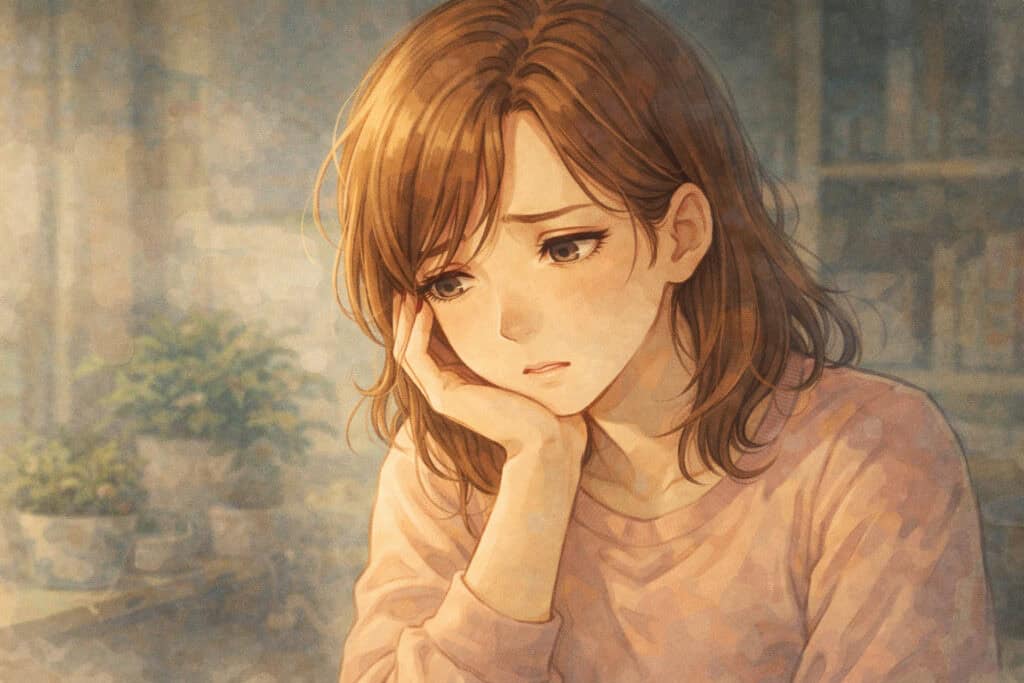
The symptoms of a fear of horses can vary from mild unease to intense panic.
Common physical symptoms include:
- Rapid heartbeat
- Sweating or trembling
- Tight chest or difficulty breathing
- Feeling dizzy or faint
- Nausea or stomach discomfort
- Muscle tension
- Dry mouth
Emotional symptoms may include:
- Sudden fear or panic
- Feeling trapped or helpless
- Anticipatory anxiety before seeing horses
- Embarrassment about the fear
- Intrusive thoughts about injury or danger
Behavioural symptoms often include:
- Avoiding farms, riding schools, or countryside paths
- Refusing horse riding activities
- Leaving situations where horses may appear
- Avoiding conversations, television programmes, or photos involving horses
- Seeking reassurance from others
How Horse Phobias Are Formed
Equinophobia can develop for many different reasons. Sometimes the cause is obvious. In other cases, the fear builds gradually over time like ivy winding around old stone.
Learned Fear
Children often absorb fear from parents, siblings, or authority figures. If someone close to you appeared frightened around horses, your brain may have learnedto associate horses with danger.
Negative Experiences
Being thrown from a horse, chased, startled, or witnessing an accident can create a powerful emotional memory. The brain stores the event as a warning signal for future situations.
Media Influence
Films, viral videos, and dramatic stories can shape perception. Horses are sometimes portrayed as unpredictable or aggressive, especially in scenes involving injuries or accidents.
The Avoidance Cycle
Avoidance temporarily reduces anxiety, which teaches the brain that avoidance equals safety. Over time, this strengthens the phobia and makes future encounters feel even more threatening.
The Brain’s Threat System
The amygdala, a small part of the brain involved in fear processing, plays a major role in phobias. When it detects a possible threat, it activates the body’s fight-or-flight response. In equinophobia, this alarm system becomes overly sensitive around horses.
According to the UK charity Mind, phobias can trigger very real physical and emotional symptoms, even when the danger itself is low.
Why Address Your Fear of Horses?
A fear of horses can quietly shape your life in unexpected ways.
You may avoid countryside holidays, family outings, equestrian events, or walking routes where horses are present. Some people turn down social invitations or struggle during school activities involving riding or farms.
Over time, avoidance can shrink confidence. The world becomes smaller, while anxiety grows larger.
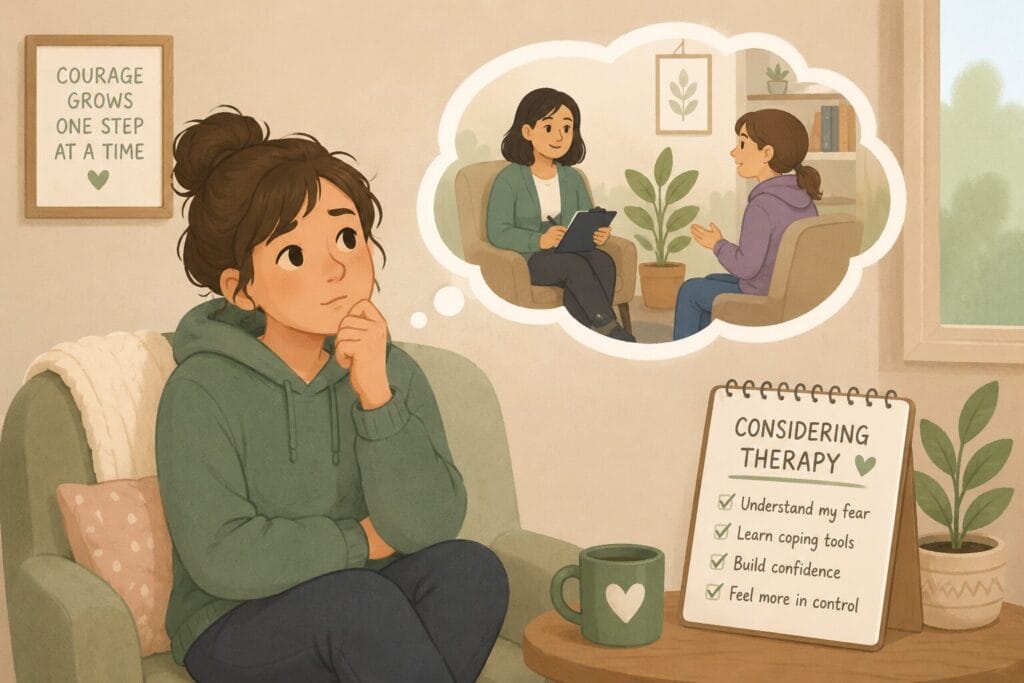
Addressing horse phobia is not about forcing yourself into uncomfortable situations. It is about reclaiming freedom, choice, and emotional calm. Every small step teaches the nervous system that safety is possible again.
Many people discover that overcoming a fear of horses improves confidence in other areas of life too. The process often becomes a wider journey of resilience and self-trust.
Fascinating Facts About Horses
Fear often narrows perception. Learning about horses in a calm and grounded way can help rebuild a sense of curiosity.
Here are some fascinating facts about these remarkable animals:
- Horses can recognise human facial expressions and emotional tones.
- They communicate through body language, ear position, and subtle movement.
- Horses have excellent memories and can remember familiar humans for years.
- Their eyes are among the largest of any land mammal.
- Wild horses form complex social bonds and protective group structures.
- Horses can sleep both lying down and standing up.
- A horse’s heart can weigh over 4 kilograms.
Research from National Geographic highlights how emotionally intelligent and socially aware horses can be.
Rather than being naturally aggressive, horses are prey animals. Most fearful reactions from horses come from instinct and self-protection rather than hostility.

How Horses Help Humans and the Environment
Horses have played a profound role in human history for thousands of years.
They helped shape transport, agriculture, exploration, and trade. Even today, horses continue to support human wellbeing in meaningful ways.
Emotional and Therapeutic Benefits
Equine-assisted therapy is increasingly used to support mental health, trauma recovery, and emotional regulation. Working with horses can encourage confidence, patience, trust, and non-verbal communication skills.
Support for Physical Health
Horse riding therapies help some individuals improve balance, coordination, posture, and muscle strength.
Environmental Contributions
Managed grazing by horses can help maintain grassland ecosystems and biodiversity in certain landscapes. In parts of the UK, grazing animals play a role in conservation management.
Human Connection
Many people describe interactions with horses as calming and grounding. Their sensitivity to body language often creates strong emotional connections with humans.
Understanding the value horses bring to people and ecosystems can gradually soften fearful perceptions.

How Humans and Horses Can Peacefully Coexist
You do not need to become a horse rider to coexist comfortably with horses.
Peaceful coexistence begins with understanding, boundaries, and calm observation.
Helpful approaches include:
- Learning basic horse body language
- Respecting safe distances
- Avoiding sudden movements or loud noises near horses
- Walking calmly around riding areas
- Understanding that horses are sensitive prey animals
- Asking knowledgeable handlers questions in controlled environments
Compassion matters too. Horses are not trying to intimidate people. Most are highly responsive animals that react to their surroundings and handlers.
When fear is replaced with informed awareness, encounters often begin to feel less unpredictable.
Dispelling Myths About Horses
“Horses are naturally aggressive.”
In reality, horses are generally cautious and social animals. Most aggressive behaviour is linked to fear, pain, stress, or poor handling.
“A horse can sense fear and will attack.”
Horses may notice nervous body language because they are highly observant animals. However, sensing fear does not mean they want to harm someone.
“All horses are unpredictable.”
Like humans, horses have different temperaments. Many are calm, patient, and carefully trained for riding schools or therapy environments.
“You have to force yourself to face the fear.”
Effective therapy does not involve overwhelming exposure. Progress usually happens gradually, safely, and collaboratively.
How to Overcome Your Fear of Horses
Recovering from equinophobia is possible, even if the fear has existed for many years.
Most successful approaches involve gently retraining the nervous system rather than relying on willpower alone.
The process often begins with:
- Learning about how phobias work
- Understanding your personal triggers
- Gradual exposure at a manageable pace
- Developing calming techniques
- Replacing catastrophic thoughts with balanced perspectives
For some people, the first step may simply involve looking at photos of horses. For others, it may involve visiting a stable from a comfortable distance.
The key is progress without pressure.
Small experiences of safety accumulate over time. Eventually, the brain begins rewriting its old fear patterns.
Therapeutic Techniques to Overcome Fear of Horses
- Cognitive-Behavioural Therapy (CBT): CBT helps individuals identify and challenge irrational fears and develop healthier thought patterns. Specific cognitive-behavioural therapy research has pointed to the fact that lasting results can be found in just one therapy session, and we can whole-heartedly vouch for that - and so can our clients.
- Exposure Therapy: Gradual, controlled exposure to flies helps desensitise individuals to their fear. Understanding flies and their behaviours can foster a sense of fascination and help to reduce fear. At Creature Courage, we strongly recommend exposure therapy, which allows you to interact with the animals in a controlled environment. You will always be supported by expert animal phobia specialists to help you face your fears in a gentle yet empowering way. The therapy is always led by you and is in your control at all times.
- Hypnotherapy:This helps our clients to rewire their brains at a subconscious level. Hypnotherapy also helps our clients to have calmer and more effective exposure therapy.
- NLP (Neuro-Linguistic programming): Helps to create understanding around how we think and speak. NLP gives us tools to change the stories we tell ourselves, to create new positive mindsets. We teach NLP techniques to condition your mind to be able access these powerful positive emotions.
- Art Therapy: We can use imagination techniques and then make them more real through creating art. This extra cognitive step helps the mind make the memory of the meditation more vivid and lasting.
- Animal Education: This one isn't a psychological technique learned and perfected over years. It's classroom stuff that we have come to realise gives an improved understanding about dogs, which in turn, allows you to begin building compassion and fascination. Believe when we say this step cannot be missed out if you truly want an end to your phobia. What's the adage: 'knowledge is power', and here it will most definitely be one of your most important tools in defeating fear.
All these techniques are combined together into one highly powerful session.
A Holistic Approach
At Creature Courage®, we combine psychological understanding, nervous system regulation, experiential learning, and compassionate support to help people move beyond animal fears in a practical and empowering way.

Creature Courage: The Expert Horse Phobia Specialists
Creature Courage® specialises in helping people overcome animal phobias through immersive and supportive therapy experiences.
Our approach focuses on more than simply “coping” with fear. We help retrain the nervous system so encounters feel calmer, safer, and more manageable.
Our methods include:
- One-day intensive therapy
- Experiential learning
- Nervous system training
- Exposure work at your pace
- Psychological education
- Compassion-focused support
Many clients arrive feeling trapped by avoidance and leave with a renewed sense of confidence.
You can explore our testimonials page to hear from people who have transformed their relationship with fear.
We also explain the science behind rapid change in Why One-Day Therapy Works.
If you would like personalised support, our contact page is a welcoming place to begin.
Get Help with Your Fear of Horses
Living with equinophobia can feel exhausting, especially when avoidance begins affecting daily life and confidence.
Yet fears are learned responses, which means they can also be unlearned.
You do not need to force yourself into frightening situations or pretend the fear does not exist. With the right support, gradual guidance, and compassionate techniques, it is possible to feel calmer and more in control around horses.
Whether your fear is mild or deeply entrenched, taking the first step matters. Sometimes courage begins quietly, like opening a stable door just enough to let a little light through.
Frequently Asked Questions
Can I overcome this fear?
Yes. Many people successfully overcome horse phobia through gradual therapeutic approaches that retrain fear responses safely and compassionately.
Do I have to touch the animal?
No. Therapy progresses at a pace that feels manageable for you. Early stages may involve education, imagery, or observation from a distance.
How long does it take?
This varies between individuals. Some people experience meaningful progress quickly, while others benefit from a slower process over time.
Why do I react so strongly?
Phobias activate the brain’s threat system automatically. Your reaction is not weakness or failure. It is a learned survival response from the nervous system.
Is my fear normal?
Absolutely. Animal phobias are common, and fears involving large animals like horses are more widespread than many people realise.