
The Fear of Cockroaches: Katsaridaphobia

Understanding Katsaridaphobia
Katsaridaphobia is the fear of cockroaches. It is a specific phobia that can trigger intense anxiety, panic, and avoidance behaviours. For some people, even seeing a picture of a cockroach is enough to cause distress.
Although many people dislike cockroaches, katsaridaphobia goes much further than simple disgust. It can interfere with daily life, limit travel, affect relationships, and create ongoing stress.
However, this fear can change. With the right support, many people learn to feel calmer, more confident, and far less overwhelmed.
In this guide, we will explore the symptoms, causes, and treatment options for katsaridaphobia. We will also look at cockroaches in a new light. That shift in perspective can be surprisingly powerful when working to overcome fear.
Check out our powerful Client Testimonial
Symptoms of Katsaridaphobia
Katsaridaphobia is a specific phobia marked by an overwhelming fear of cockroaches. While it is common to feel uneasy around insects, a phobia creates a much stronger response.
For some people, the fear appears when a cockroach is nearby. For others, the anxiety starts long before any real encounter. They may worry about where cockroaches could be hiding, whether a place is “safe”, or what might happen if one suddenly appears.
As a result, the fear can begin to shape routines, decisions, and quality of life.
People with katsaridaphobia may experience emotional, physical, and mental symptoms. These can appear during an encounter or even when thinking about cockroaches.
Common symptoms include:
intense fear or panic
a racing heart
shaking or sweating
shortness of breath
nausea or dizziness
intrusive thoughts about cockroaches
avoidance of places where cockroaches might be present
feeling out of control during or after a trigger
In more severe cases, the fear can lead to panic attacks or persistent anxiety throughout the day.

Causes of Katsaridaphobia
The roots of cockroach phobia vary from person to person. However, many specific phobias begin with a strong feeling of helplessness or loss of control.
Traumatic or Startling Experiences: A sudden encounter with a cockroach can feel deeply disturbing, especially for a child. Even when there is no real danger, the shock of the moment can feel threatening. That experience may then become linked to fear, avoidance, and anxious anticipation.
Learned Behaviour: Fear is often learned from others. If a parent, sibling, or caregiver reacts with alarm around cockroaches, a child may absorb the message that cockroaches are dangerous. Over time, that learned response can become automatic.
Anxiety Sensitivity: Some people are more vulnerable to developing phobias because they already struggle with anxiety. In these cases, the cockroach becomes the focus of a wider fear response.
Cultural Attitudes: Cockroaches are often presented as revolting, invasive, or threatening. Films, media, and household attitudes can reinforce this image from a young age. As a result, many people grow up seeing cockroaches only in a negative light.
Impact on Daily Life
Katsaridaphobia can affect far more than a person’s reaction to one insect. In many cases, it changes how someone lives.
It may lead to:
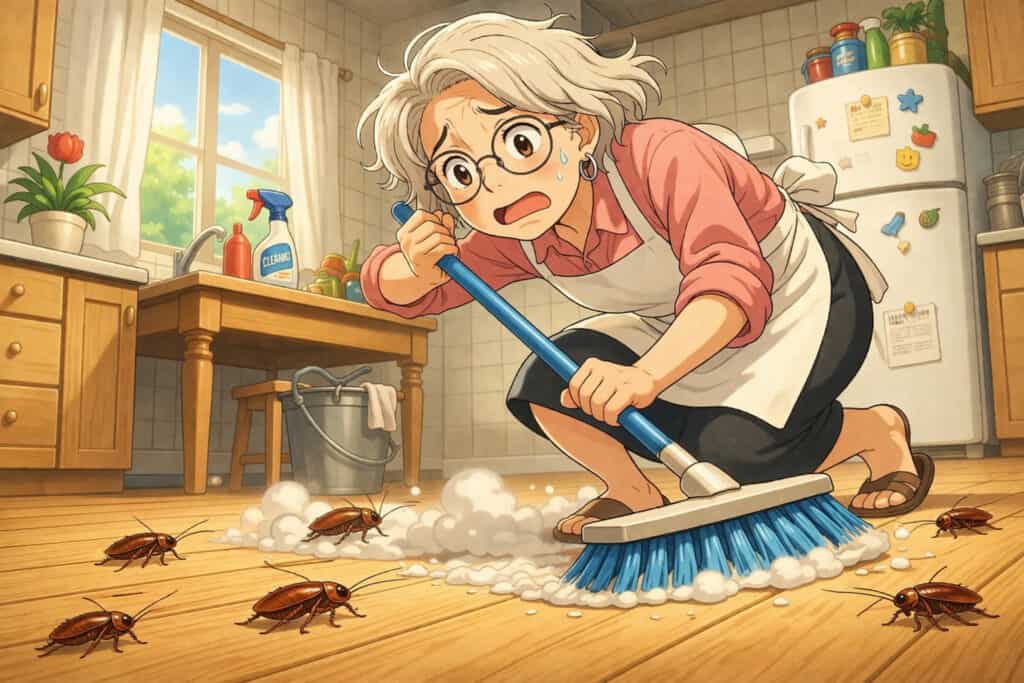
obsessive cleaning or checking behaviours
fear of certain rooms, buildings, or environments
avoidance of travel or overnight stays
stress when visiting friends or family
disruption to work, holidays, or social plans
constant vigilance and anxiety
When fear begins to shape ordinary choices, it becomes exhausting. Therefore, support can make a huge difference.
Overcoming Fear With Fascination
One of the most effective ways to weaken fear is to build understanding. When we learn more about an animal, it often becomes less mysterious and less threatening.
This does not mean forcing yourself to love cockroaches overnight. Instead, it means allowing room for curiosity.
Cockroaches often trigger disgust. Yet they are also ancient, adaptable, and surprisingly important creatures. Of the more than 4,500 species identified worldwide, only a small number are associated with human homes.
The vast majority live quietly in the natural world, where they help support healthy ecosystems.
That broader view can help shift fear into something more manageable.
Dispelling the Myths About Cockroaches
Cockroaches are often portrayed as dirty, aggressive, and dangerous. However, many of these beliefs are exaggerated or simply untrue.
Only a small percentage of cockroach species are considered household pests. Most species live outdoors and do not cause problems for people.
Cockroaches are also not aggressive animals. In fact, they usually avoid humans and prefer to escape rather than confront anything larger than themselves.
Some species, such as the Madagascar hissing cockroach, are even kept as pets. These cockroaches are harmless and often help people see the animal differently.
When myths are challenged, fear often becomes easier to work with.
You can find out more here about just how amazing pets cockroaches can be!
Ancient Origins: Survivors Through the Ages
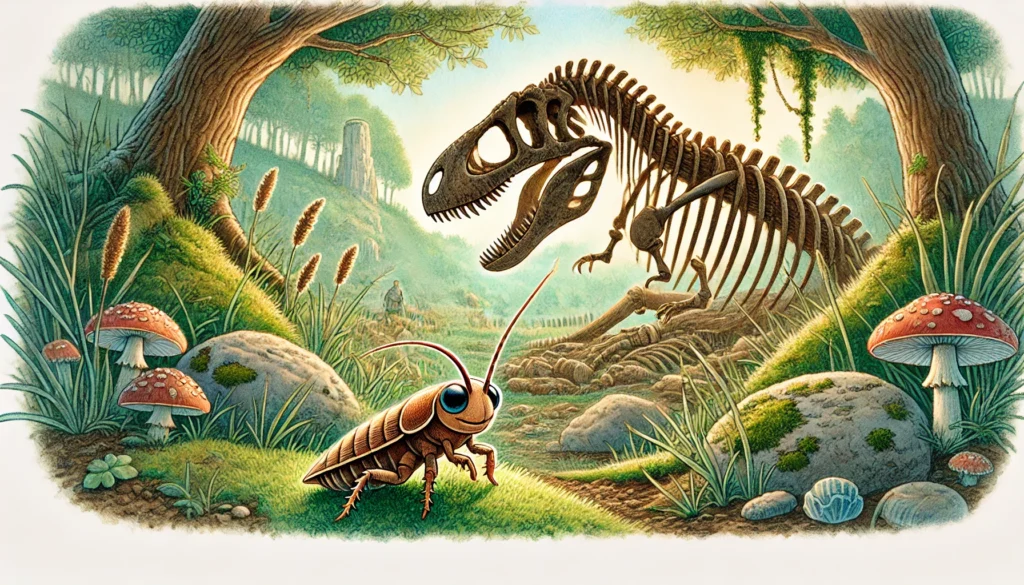
Cockroaches are among the oldest insects on Earth. Their ancestors date back hundreds of millions of years.
This makes them remarkable survivors. They have adapted to changing climates, shifting habitats, and major environmental upheavals over vast stretches of time.
Their long history is one reason scientists find them so fascinating. Cockroaches are not “failed” creatures or mistakes of nature. They are highly successful insects that have evolved impressive survival strategies.
Their evolutionary success is attributed to their ability to thrive in diverse environments, from tropical forests to arid deserts. This adaptability has allowed them to endure multiple mass extinction events, including the one that eliminated the dinosaurs.
Remarkable Resilience: Survival Skills Unmatched
Cockroaches are known for their resilience. They can survive in environments that many other insects cannot tolerate.
Some species can live for long periods with very little food. Others can hold their breath for surprisingly long stretches. Their bodies are efficient, adaptable, and built for survival.
This resilience often makes people feel even more uneasy. However, when viewed differently, it is simply another example of how well suited cockroaches are to their environment.
Cockroaches exhibit extraordinary survival abilities. Some species can live without food for up to a month and without water for a week.
Their respiratory system allows them to hold their breath for up to 40 minutes, aiding in underwater survival and reducing water loss.
Additionally, cockroaches can withstand radiation levels up to 15 times higher than humans, a trait that has intrigued scientists studying their potential in post-disaster environments.
Ecological Importance: Nature’s Decomposers
Cockroaches play an important role in many ecosystems. They help break down decaying plant and animal matter, which returns nutrients to the soil.
In other words, they are part of nature’s recycling system.
Without decomposers, dead organic material would build up much more quickly. Therefore, cockroaches help maintain environmental balance in forests, woodlands, and other habitats.
This ecological role rarely gets attention. Yet it is one of the clearest reminders that cockroaches are not simply pests. They are also part of the natural machinery that keeps ecosystems functioning.
Social Behaviours: Complex, Cooperative, and Loving?
Cockroaches are often assumed to be mindless insects. In reality, some species show surprisingly complex behaviour.
They use chemical signals to communicate. Some species also make sound. The Madagascar hissing cockroach, for example, produces a hiss by forcing air through openings in its body.
Certain species make group decisions about shelter and environment. Others show forms of parental care that many people would never expect.
These behaviours reveal that cockroaches are more complex than their reputation suggests.

Cognitive Abilities: Learning and Memory
Studies have shown that cockroaches also possess the ability to learn and remember. They can be trained to associate certain scents with food rewards, demonstrating classical conditioning.
That means they are not simply reacting at random. They have basic learning and memory abilities that help them navigate their world.
This may not make them adorable to everyone, but it does make them more interesting. It also challenges the idea that insects are simple, meaningless creatures.
This cognitive capability highlights their neurological complexity and challenges the perception of insects as simple, unfeeling, brainless organisms.
Treatment Options for Katsaridaphobia
Fortunately, there are effective treatments available for overcoming the fear of cockroaches. Here are some approaches that can help:
Cognitive Behavioural Therapy (CBT)
CBT is one of the most effective therapeutic approaches for treating specific phobias like katsaridaphobia. This therapy helps individuals identify and change irrational thoughts associated with cockroaches, developing strategies to cope with fear and anxiety. CBT helps people understand their brains and thoughts better and gives tools to start challenging and changing bad mental health habits.
Exposure Therapy
Gradual exposure to cockroach-related stimuli, under the guidance of a therapist, is a fundamental part of phobia treatment. Through controlled and systematic exposures, people can learn to face their fear and reduce associated anxiety.
Unfortunately, the more rational part of our brain is not connected to our survival part of our brain. They can't communicate so to change a fear, you must show not tell the survival part of your brain that cockroaches are not a threat. You can read more about the science of this here. Fortunately, the fear can change very quickly with some concentrated exposure therapy.
Relaxation Techniques
Practising relaxation techniques such as deep breathing, meditation, or yoga can be beneficial in reducing anxiety caused by the phobia. These techniques help calm the mind and body, promoting a state of tranquillity.
When you feel scared, you want to send the right signals to your body. You want to get back into rest and digest instead of fight or flight. This means you might need to fake it until you make it. Force yourself to breath very slowly, relax all your muscles, put your shoulders back and open up your body into a strong confident pose. Then smile! It's scientifically proven if you force yourself to act happy and brave, your body and feelings will start to then genuinely feel it.
Self-Help Strategies for Managing Katsaridaphobia
While professional help is often necessary, there are some self-help techniques that can complement treatment:
- Education: Learn about cockroaches and their behaviour to demystify them.
- Gradual self-exposure: Start with looking at pictures of cockroaches and gradually progress to more challenging situations.
- Practice relaxation techniques regularly to manage anxiety.
- Challenge negative thoughts about cockroaches with rational, fact-based thinking.
Conclusion: Freedom Is Possible!
Katsaridaphobia can feel overwhelming. However, it is treatable, and lasting change is possible.
By combining evidence-based therapy with practical coping tools, many people learn to reduce their fear and regain control over daily life. They stop planning around the possibility of an encounter. They stop feeling trapped by anxiety. They begin to feel freer.
You are not alone in this. Many people struggle with animal phobias, and there is no shame in seeking support.
With patience, the right guidance, and a structured approach, fear can soften. In many cases, it can change far more quickly than expected.
Don't let Katsaridaphobia hold you back any longer. Take action today, get in touch and discover how you can join the ranks of those who have successfully overcome their fears. Check out our real-life examples of conquering cockroach fear for inspiration, and if you have any common concerns about treating Katsaridaphobia, we're here to address them and support you on your journey to freedom from fear.
Frequently Asked Questions
What is Katsaridaphobia? Katsaridaphobia is the intense and irrational fear of cockroaches. It's a specific phobia that can cause significant anxiety and distress when encountering or even thinking about cockroaches.
How common is the fear of cockroaches? Approximately 1 in 10 people experience some degree of Katsaridaphobia, ranging from mild apprehension to severe aversion. This makes it a relatively common specific phobia.
What are the main symptoms of cockroach phobia? Common symptoms include intense fear, anxiety attacks, avoidance behaviours, intrusive thoughts about cockroaches, and physical reactions such as rapid heartbeat, sweating, and difficulty breathing when encountering or thinking about cockroaches.
What treatments are available for Katsaridaphobia? Effective treatments include cognitive behavioural therapy (CBT), gradual exposure therapy, and relaxation techniques. In some cases, medication may be prescribed to manage anxiety symptoms. Alternative treatments like hypnosis and mindfulness practices can also be helpful.
Can I overcome my fear of cockroaches on my own? While professional help is often recommended, some people can make progress using self-help techniques. These may include educating yourself about cockroaches, practicing relaxation methods, and gradually exposing yourself to cockroach-related stimuli. However, this can take much longer than working with a professional. For severe cases, it's best to seek guidance from a mental health professional.