

Fear of Lizards: Understanding Herpetophobia
Introduction
Do you feel uneasy when you see a lizard basking in the sun? Perhaps the sight of a gecko on a wall, a bearded dragon in a pet shop, or an iguana on television makes your heart race. If so, you may be experiencing a fear of lizards, a form of herpetophobia that can range from mild discomfort to intense anxiety.
At Creature Courage, we help people overcome a wide range of animal fears through our powerful one-day animal phobia therapy programmes.
In this guide, you'll learn what causes a fear of lizards, how it can affect daily life, why these animals are often misunderstood, and most importantly, how this fear can be overcome.
Many people who fear lizards also experience a broader fear of reptiles. If your fear extends beyond lizards to snakes, turtles and other reptiles, you may also find our Fear of Reptiles and Amphibians guide helpful.
Although a fear of lizards can feel overwhelming, it is important to remember that phobias are learned responses rather than permanent traits. Consequently, with the right support and understanding, it is entirely possible to develop a calmer and more confident relationship with these fascinating animals.
What Is the Fear of Lizards?
The fear of lizards is commonly associated with herpetophobia, the fear of reptiles. While herpetophobia can include snakes, turtles and other reptiles, lizards are the most common reptile that people fear.
A more specific and much less commonly used term for a fear of lizards is Scoliodentosaurophobia. Despite its intimidating name, most people simply refer to the condition as a fear of lizards or lizard phobia.
For some individuals, the fear centres around the animal's appearance. Their scales, sudden movements, their body shape or intense gaze may trigger feelings of discomfort. For others, simply imagining a lizard can provoke anxiety.
Importantly, a lizard phobia is very different from a healthy respect for animals. Most people exercise sensible caution around unfamiliar wildlife. A phobia, however, involves a level of fear that is disproportionate to the actual risk posed by the animal.
As a result, someone with a lizard phobia may avoid gardens, reptile houses, pet shops, zoos, nature documentaries or even holidays to countries where lizards are commonly seen.
Over time, these avoidance behaviours can strengthen the fear. Therefore, what begins as discomfort can gradually develop into a more limiting and distressing problem.
Symptoms of Lizard Phobia
The symptoms of a fear of lizards can vary considerably from person to person. Some people experience mild anxiety, whereas others may have a strong panic response.
Common symptoms include:
- A racing heart
- Rapid breathing
- Sweating
- Trembling or shaking
- Feeling dizzy or light-headed
- Nausea
- Muscle tension
- A strong urge to escape
- Feeling frozen or unable to move
- Persistent worry about encountering a lizard
In addition to physical symptoms, many people experience emotional distress. For example, they may feel embarrassed by their reaction, frustrated by their inability to control it, or worried that others will not understand.
How Lizard Phobias Are Formed
People are rarely born afraid of lizards. Instead, fears usually develop through a combination of experiences, learning and instinctive survival mechanisms.
The Brain's Fear System
The human brain evolved to identify potential threats quickly. A small structure called the amygdala plays an important role in this process.
When something unfamiliar, fast-moving or visually unusual appears, the amygdala may trigger a fear response before the logical part of the brain has fully assessed the situation.
This system helped our ancestors survive. However, it can occasionally become overprotective.
As a result, the brain may react to a harmless scuttling gecko or grass lizard as though it were a genuine threat.

Negative Experiences
Sometimes a fear develops after a direct, surprising encounter. This, therefore, triggers the brain's threat response.
For example, a lizard may have unexpectedly run across someone's path, entered a building, or startled them while gardening. Although the event may not have been dangerous, the brain can still associate the experience with fear.
Learned Fear
Children often learn how to respond to animals by observing the adults around them. Therefore, if a parent reacts fearfully to a lizard, a child may unconsciously learn that lizards are something to be feared.
Similarly, frightening stories, exaggerated warnings or negative cultural beliefs can shape perceptions from a young age.
Media and Cultural Influences
Films, television programmes and popular culture frequently portray reptiles as threatening, sinister or aggressive. Consequently, people may develop strong negative associations despite having little or no real-life experience with lizards.
In reality, most lizards spend their lives avoiding conflict and attempting to stay out of sight.
The Avoidance Cycle
Avoidance often provides immediate relief. Unfortunately, it can also strengthen the phobia.
Each time a person avoids a lizard, the brain receives the message that avoidance was necessary for safety. Consequently, the fear remains unchallenged and may even grow stronger over time.
This is one of the reasons why effective treatment focuses on exposure therapy, helping the brain learn a new response rather than simply avoiding the trigger.
Why Address Your Fear of Lizards?
Many people live with a fear of lizards for years without seeking help. However, phobias can affect far more than the occasional encounter with an animal.
For some people, the fear limits travel opportunities. Others avoid zoos, wildlife parks, tropical holidays or outdoor activities. In some cases, parents feel unable to participate fully in activities with their children because they worry about encountering reptiles. This can additionally cause overall tension in relationships.

Furthermore, living with a phobia can be emotionally exhausting. Constant vigilance, worry, and avoidance require energy. Over time, this can reduce confidence and reinforce feelings of vulnerability.
Addressing a fear of lizards is not simply about tolerating an animal. Instead, it is about gaining freedom from a fear response that no longer serves you.
Many people discover that overcoming an animal phobia improves more than their relationship with that particular animal. It can also strengthen confidence, resilience and trust in their ability to face other challenges.
Most importantly, overcoming a fear of lizards allows you to replace anxiety with understanding. Rather than feeling controlled by fear, you can begin to see these remarkable animals through a completely different lens.
Fascinating Facts About Lizards
Many fears are fuelled by unfamiliarity. Therefore, one of the most effective ways to reduce a fear of lizards is to learn more about these remarkable animals.
Although lizards are often misunderstood, they possess some truly extraordinary abilities. In fact, many species display behaviours and adaptations that surprise even experienced animal enthusiasts.
Some Lizards Can Regrow Their Tails
One of the most remarkable abilities found in many lizard species is tail regeneration.
When threatened by a predator, some lizards can deliberately shed their tail. The detached tail continues to wriggle and move, distracting the predator while the lizard escapes to safety.
Over time, a new tail can grow in its place. Although the replacement is not always identical to the original, this adaptation gives the animal a second chance at survival.
Many Lizards Communicate Through Body Language
Lizards may appear quiet and expressionless at first glance. However, many species use surprisingly sophisticated forms of communication.
Bearded dragons, for example, may wave an arm, bob their heads or alter their posture to communicate with other lizards. These visual signals can help establish territory, avoid conflict or attract a mate.
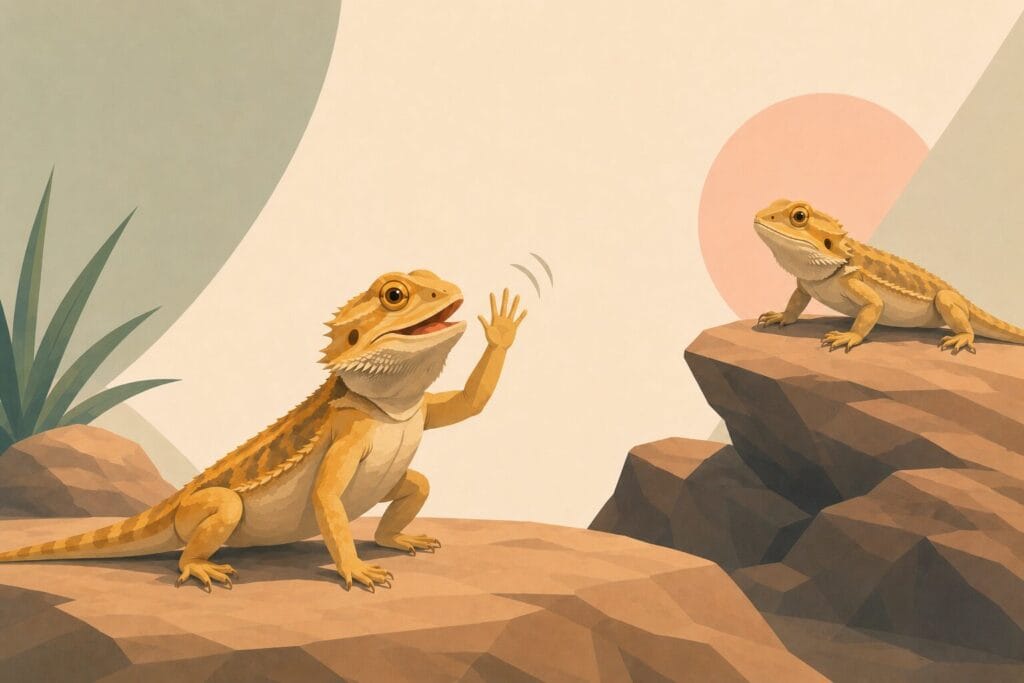
Once people understand these behaviours, lizards often begin to seem less mysterious and more relatable.
Some Lizards Are Surprisingly Good Learners
Many people assume that reptiles rely entirely on instinct. However, research has shown that some lizard species can learn from experience and adapt their behaviour over time.
They can remember locations, recognise routines and respond to repeated situations in ways that suggest a greater level of behavioural flexibility than many people expect.
As a result, scientists now recognise that reptiles are often more cognitively capable than they were once given credit for.
Geckos Can Walk on Walls and Ceilings
Geckos are famous for their extraordinary climbing abilities.
Rather than using sticky substances, their feet contain millions of microscopic hair-like structures that allow them to grip surfaces through tiny molecular forces.
As a result, geckos can effortlessly climb glass, walls and even ceilings. This ability has fascinated scientists for decades and continues to inspire new technological innovations.
Some Lizards Live in Family Groups
Although many people think of lizards as solitary animals, some species display surprisingly social behaviours.
Researchers have discovered family groups in certain species, with parents remaining close to their offspring for extended periods.
These discoveries challenge the common perception that reptiles are cold, unfeeling creatures and reveal a more complex side to their behaviour.
Dispelling Myths About Lizards
Fear often grows in the absence of accurate information. Therefore, let's examine some of the most common myths surrounding lizards.
Myth: Lizards Are Dangerous to Humans
This is perhaps one of the most widespread misconceptions.
In reality, the vast majority of lizard species pose little or no threat to humans. Most lizards are shy animals that would much rather avoid people than interact with them.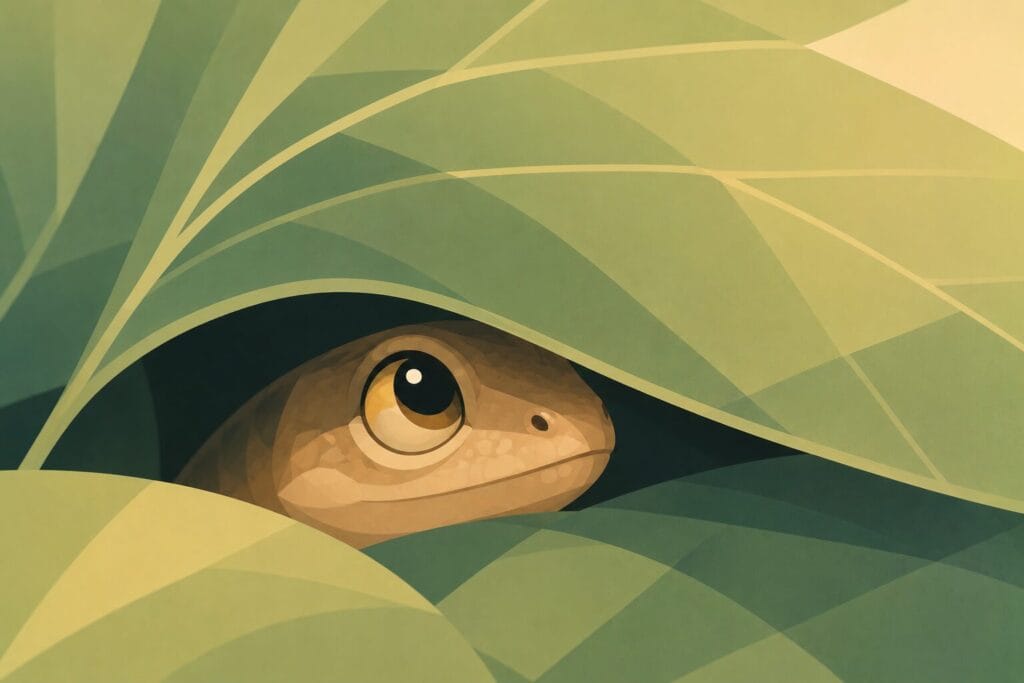
While larger species can bite if they feel cornered or threatened, this behaviour is defensive rather than aggressive. Furthermore, serious injuries from lizards are extremely rare compared with many everyday risks people encounter.
For most people, the actual danger posed by a lizard is far smaller than the danger perceived by the fearful brain.
Myth: Lizards Are Aggressive
Many people interpret sudden movement as aggression.
However, when a lizard darts across a wall or scurries through a garden, it is usually attempting to escape rather than approach.
Fast movement can trigger the brain's alarm system. Nevertheless, this does not mean the animal is behaving aggressively.
In fact, most lizards spend much of their lives trying to avoid predators, including humans.
Myth: Lizards Are Slimy
This misconception is surprisingly common.
Unlike amphibians such as frogs and toads, lizards do not have moist skin. Instead, their bodies are covered in dry scales.
Many people who touch a lizard for the first time are surprised by how dry and smooth they feel. Consequently, one of the most common assumptions about lizards turns out to be completely inaccurate.
How Lizards Help Humans and the Environment
Lizards do far more than simply exist in the background of nature. In fact, they play valuable roles in ecosystems and have even contributed to advances in science, medicine and technology.
Natural Pest Control
Many lizards feed on insects such as flies, mosquitoes, beetles and other invertebrates.
As a result, they help keep insect populations in balance and provide a natural form of pest control in many environments.
For homeowners, gardeners and farmers alike, lizards can be surprisingly beneficial neighbours.
Supporting Healthy Ecosystems
Lizards are an important part of many food webs.
They help transfer energy through ecosystems by feeding on smaller animals while also serving as prey for birds of prey, foxes, snakes and other predators.
Without species such as lizards, the balance of many ecosystems would be disrupted.
In addition, scientists often monitor reptile populations to better understand habitat health and environmental change.

Contributions to Medicine and Technology
Many people are surprised to learn that lizards have contributed to advances in both medicine and technology.
Perhaps the most famous example involves the Gila monster, a large lizard native to North America. Scientists discovered a compound within its saliva that helped inspire the development of a medication used to support people living with Type 2 diabetes.
As a result, a creature that many people fear has indirectly contributed to improving the health and well-being of millions of people around the world.
Meanwhile, geckos have inspired engineers and medical researchers through their remarkable climbing abilities. By studying the microscopic structures on their feet, scientists have developed innovative adhesive technologies with potential applications in robotics, medical devices and advanced materials.
Researchers have also investigated the regenerative abilities of certain lizard species. While humans cannot regrow lost body parts, some lizards can regenerate their tails following injury. Understanding how this process works may help scientists learn more about tissue repair and healing.
The Natural History Museum provides excellent information about reptile biology. Similarly, the International Union for Conservation of Nature (IUCN) works to study and protect reptile species worldwide.
These discoveries remind us that lizards are far more than unusual-looking reptiles. They are living examples of biological innovation that continue to inspire scientific research today.
How Humans and Lizards Can Peacefully Coexist
One of the most empowering discoveries people make when overcoming a fear of lizards is that conflict between humans and lizards is surprisingly rare.
In fact, most lizards actively avoid people whenever possible. Unlike animals that seek food from humans, most lizard species simply want warmth, shelter and a reliable source of insects to eat.
When a lizard suddenly appears in a garden, on a wall or near a pathway, it is usually trying to escape detection rather than cause alarm.
Understanding this simple fact can begin to change how these animals are perceived.

Appreciating Lizards from a Distance
You do not need to love lizards or keep one as a pet to coexist peacefully with them.
For many people, the first step is simply learning to observe them without immediately reacting with fear.
Watching a lizard bask in the sun, hunt insects or explore its surroundings can gradually replace anxiety with curiosity. Over time, this can help retrain the brain to view lizards as part of the natural world rather than a threat.
Respecting Their Role in Nature
Lizards have shared our environment for millions of years.
Whether they are controlling insect populations, supporting food webs or contributing to scientific discoveries, they play important roles in the ecosystems around us.
As a result, learning to coexist with lizards benefits both people and wildlife.
Rather than viewing them as unwanted intruders, it can be helpful to see them as animals simply trying to survive, just as every other creature does.
Many Lizards Make Wonderful Pets
Although not everyone wants a pet lizard, millions of people around the world enjoy caring for these fascinating animals.
Species such as bearded dragons, leopard geckos and crested geckos are often chosen because they are generally calm, manageable and relatively easy to care for when their needs are properly understood.
Many owners describe their lizards as curious animals with distinct personalities and behaviours. Some even recognise regular routines and appear comfortable interacting with familiar people.
Check out this hilarious and heartwarming video of a pet bearded dragon who falls in love with one particular sock! It will definitely prove what charming and distinct personalities these animals can have!
Of course, responsible ownership requires research, commitment and appropriate care. However, the popularity of pet lizards highlights an important point: these animals are far removed from the dangerous creatures many people imagine them to be.
For some people, meeting a calm and well-handled pet lizard becomes an important step towards overcoming a fear of lizards.

Compassion Changes Perspective
Fear often encourages us to focus only on what makes an animal seem different.
Compassion, however, encourages us to look a little deeper.
Like all animals, lizards face challenges. They must find food, avoid predators, survive changing weather conditions and successfully reproduce.
When people begin to understand these daily struggles, many discover that their feelings start to shift. The animal that once seemed threatening can begin to appear vulnerable, fascinating or even endearing.
This change in perspective is often an important step on the journey towards overcoming a fear of lizards.
How to Overcome Your Fear of Lizards
If you have lived with a fear of lizards for a long time, it may feel as though the fear is simply part of who you are.
Fortunately, this is rarely the case. Phobias are learned responses, which means they can also be unlearned.
The goal is not to force yourself to like lizards overnight. Instead, the aim is to help your brain update its understanding of the animal and recognise that it is far safer than it currently believes. As you continue to face your fear, you might even unexpectedly develop a deep fascination and appreciation for lizards.
Start with Education
Knowledge can be a powerful antidote to fear.
Learning about lizard behaviour, ecology and body language often helps reduce uncertainty. Furthermore, understanding why they move the way they do or how they survive in the wild can make them feel much less mysterious.
This is one of the reasons why education forms an important part of our approach to Animal Phobia Therapy.
Challenge the Avoidance Cycle
Although avoidance provides short-term relief, it often strengthens phobias in the long term.
Each time you avoid a feared animal, the brain receives confirmation that avoidance was necessary.
Gradually and safely facing the fear sends a different message. It allows the brain to gather new information and build confidence through experience.
Exposure Therapy and Nervous System Training

One of the most effective approaches for animal phobias is exposure therapy.
Rather than overwhelming someone with their fear, effective exposure involves carefully planned experiences that help the brain learn that the feared animal is not the threat it once believed it to be.
You can learn more about our approach to Exposure Therapy for Animal Phobias.
At Creature Courage, we combine exposure with nervous system training, helping people learn how to remain calm, present and in control while facing situations that once felt overwhelming.
This allows confidence to grow naturally through experience rather than through willpower alone.
Therapeutic Techniques to Overcome a Fear of Lizards
At Creature Courage, we use a holistic and highly personalised approach to helping people overcome their fear of lizards.
Every person arrives with a different history, different triggers and different goals. Therefore, no two sessions are exactly the same.
Some of the techniques that may be used include:
Animal Education
Understanding often reduces fear.
Education forms a central part of our Animal Phobia Therapy Programmes. We teach people about lizards, their behaviour, their role in nature and the myths that surround them.
As fascination grows, fear often begins to shrink.
Exposure Therapy
Exposure therapy allows the brain to update its fear response through direct experience.
Through carefully structured Exposure Therapy for Animal Phobias, fearful assumptions can gradually be replaced with real-world evidence and confidence.
Cognitive Behavioural Therapy (CBT)
Cognitive Behavioural Therapy (CBT) helps people become more aware of the thoughts, beliefs and assumptions that may be maintaining the fear.
As part of our wider Animal Phobia Therapy Approach, CBT techniques can help develop a calmer and more balanced perspective.
Guided Imagination Exercises
The brain often responds to imagined experiences in similar ways to real ones.
Guided imagination exercises are frequently incorporated into our Animal Phobia Therapy Sessions to help transform how people mentally picture lizards and prepare them for real-world encounters.

NLP Techniques (Neuro-Linguistic Programming)
NLP techniques can help change how experiences are processed and understood.
Within our Animal Phobia Therapy Programmes, NLP techniques can also be used to strengthen confidence, resourceful emotional states and feelings of courage.
Hypnotherapy
Hypnotherapy can promote deep relaxation while helping reinforce positive changes at a subconscious level.
As part of our holistic Animal Phobia Therapy Approach, many people find hypnotherapy particularly helpful for reducing anticipatory anxiety.
Art Therapy
Creative exercises can help strengthen learning and make therapeutic insights more memorable.
Art therapy is sometimes used within our Animal Phobia Therapy Sessions to help people build a new and more positive relationship with the animal.
Compassion-Based Approaches
One of the most powerful shifts occurs when fear begins to give way to understanding.
By learning about the challenges lizards face and the important roles they play in nature, many people begin to see them in a completely different light.
This philosophy forms an important part of why our One-Day Phobia Therapy Method is so effective.
Rather than viewing the animal as something to fear, people often begin to recognise it as another living creature trying to survive and thrive.
Creature Courage: The Expert Lizard Phobia Specialists
At Creature Courage, helping people overcome animal phobias is not simply something we do; it is our speciality.
For more than a decade, we have helped thousands of people transform their relationships with animals they once feared. Our work has been featured on Good Morning Britain, Sky News, ITV and BBC Radio, and we have supported clients from across the UK and beyond.
Unlike approaches that rely solely on talking about fear, our sessions focus on helping people experience real change in real time.
Through a combination of education, nervous system training, exposure therapy and practical experience, we help people update the fear response at the moment it activates.
Our goal is not simply to help you tolerate lizards.
Our goal is to help you understand them, feel calmer around them and ultimately regain freedom from a fear that may have been limiting your life for years.
Many people are surprised by how quickly their perspective can change once they begin working with the animal rather than avoiding it.

If you would like to learn more about our approach, you can read about Why One-Day Phobia Therapy Works.
You can also explore our growing collection of Client Testimonials to hear directly from people who have successfully overcome their animal fears.
Get Help with Your Fear of Lizards
If a fear of lizards is affecting your confidence, limiting your activities or causing unnecessary stress, it is important to remember that you do not have to face it alone.
Phobias are learned responses. Therefore, they can be changed.
Whether your fear is mild or severe, taking the first step towards understanding it can be the beginning of a profound transformation.
Many people spend years believing they will always be afraid. However, with the right guidance, support and experience, lasting change is possible.
If you are ready to take the next step, we would love to help. You can get in touch with us directly through our Contact Page.
Your journey from fear to courage could begin today.

Frequently Asked Questions About the Fear of Lizards
Can I really overcome a fear of lizards?
Yes.
Animal phobias are highly treatable, and many people experience significant improvements once they begin addressing the fear. With the right support, it is entirely possible to develop a calmer and more confident response to lizards.
Do I have to touch a lizard during therapy?
No.
Therapy is always tailored to the individual. While some people choose to interact closely with a lizard during a session, others begin at a much gentler pace. The goal is never to force you beyond your comfort zone but to help you expand it safely.
Why do I react so strongly to lizards?
Your reaction is likely the result of the brain's threat detection system.
The amygdala can sometimes interpret harmless animals as potential dangers, especially if previous experiences, learning or cultural influences have shaped negative associations.
How long does it take to overcome a fear of lizards?
Every person is different.
However, many Creature Courage clients achieve dramatic progress during a single intensive session. Others benefit from additional support depending on the complexity of their fear and personal circumstances.
Is my fear of lizards normal?
Absolutely.
Animal phobias are extremely common and affect people from all walks of life. Feeling embarrassed about your fear is often more damaging than the fear itself.
The important thing to remember is that fears can change, and seeking help is a sign of courage rather than weakness.
What is the difference between herpetophobia and a fear of lizards?
Herpetophobia is the broader fear of reptiles and, in some cases, amphibians.
A fear of lizards may form part of herpetophobia, although some people fear lizards specifically while feeling comfortable around other reptiles.
If your fear extends beyond lizards, you may also find our Fear of Reptiles and Amphibians Guide useful.
What is Scoliodentosaurophobia?
Scoliodentosaurophobia is a specific term used to describe an intense fear of lizards. However, the term is rarely used outside specialist discussions. Most people simply refer to the condition as a fear of lizards or lizard phobia.
Many people with Scoliodentosaurophobia experience symptoms such as anxiety, avoidance behaviours, rapid heartbeat and panic when encountering lizards or even thinking about them. Fortunately, like other animal phobias, it can often be successfully treated through approaches such as education, exposure therapy and nervous system training.